
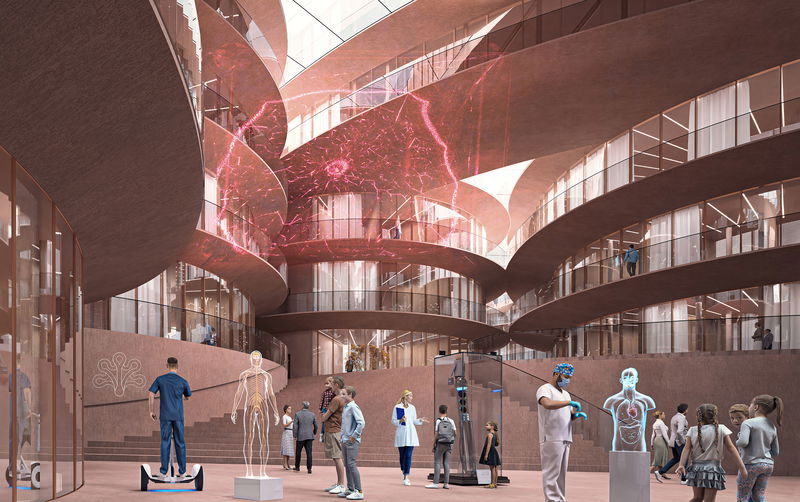

Danish Neuroscience Center
Aarhus, Denmark
Client
The Danish Neuroscience Center | Aarhus University Hospital
Typology
Health
Size m2/ft2
19,000 / 204,514
Status
Idea

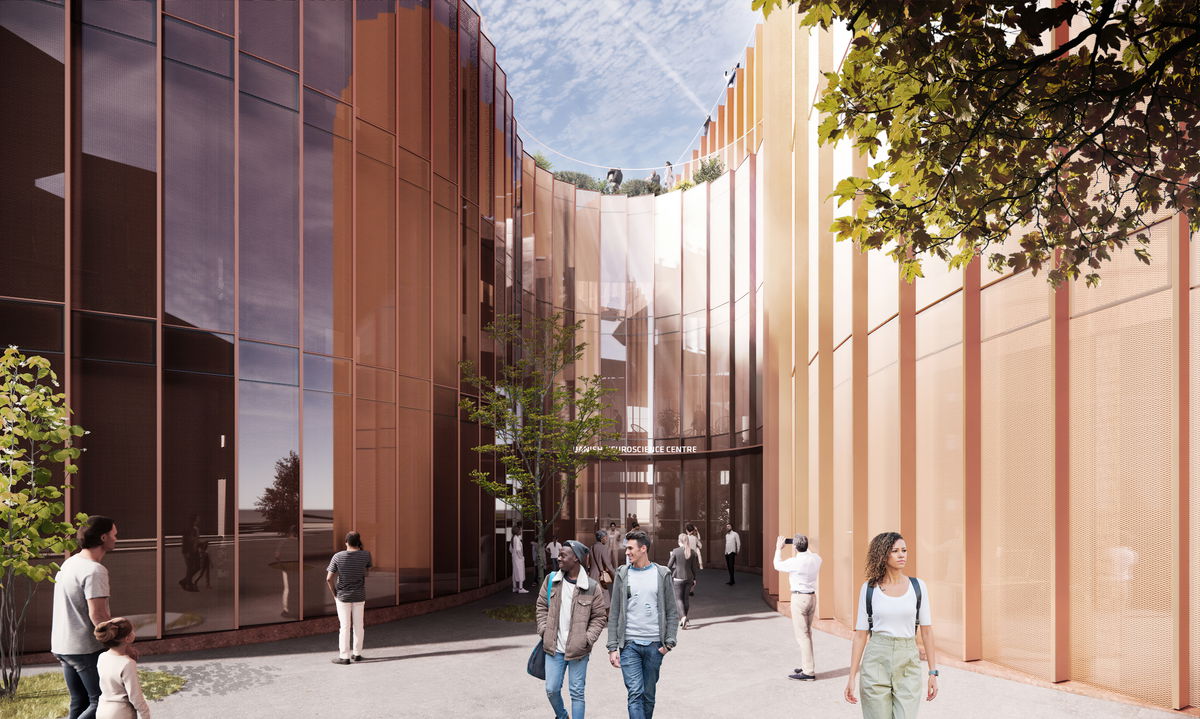
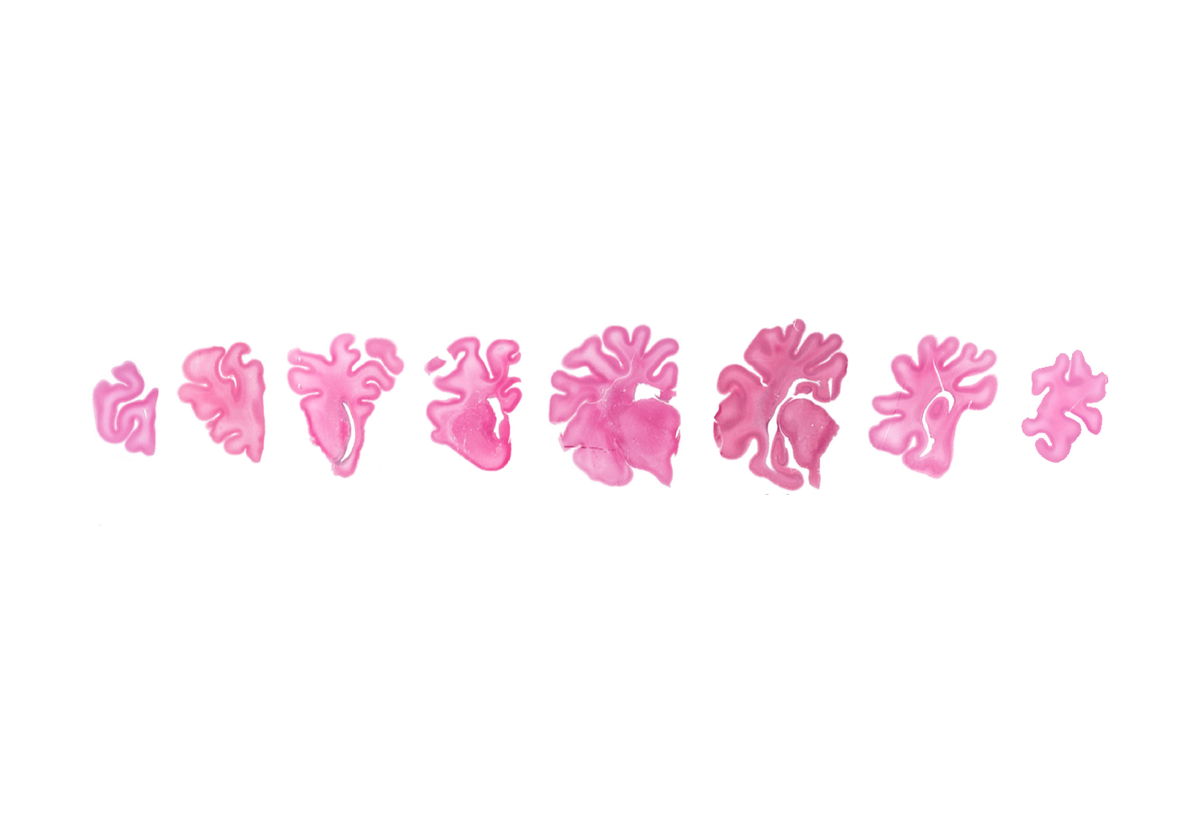
Gyrification: Brain Folds — Gyrification is the process of forming the characteristic folds of the cerebral cortex.
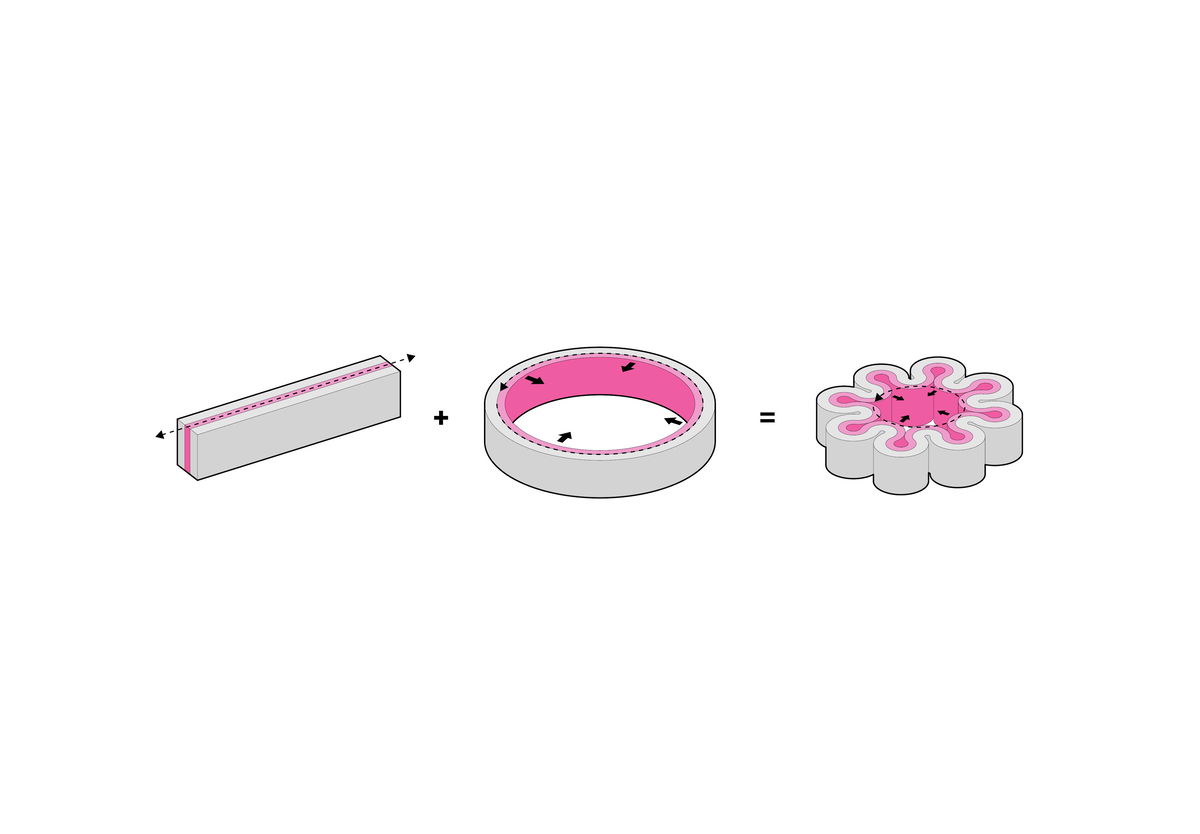
Corridor Building + Efficient Healthcare + Atrium = "Cortrium" Building
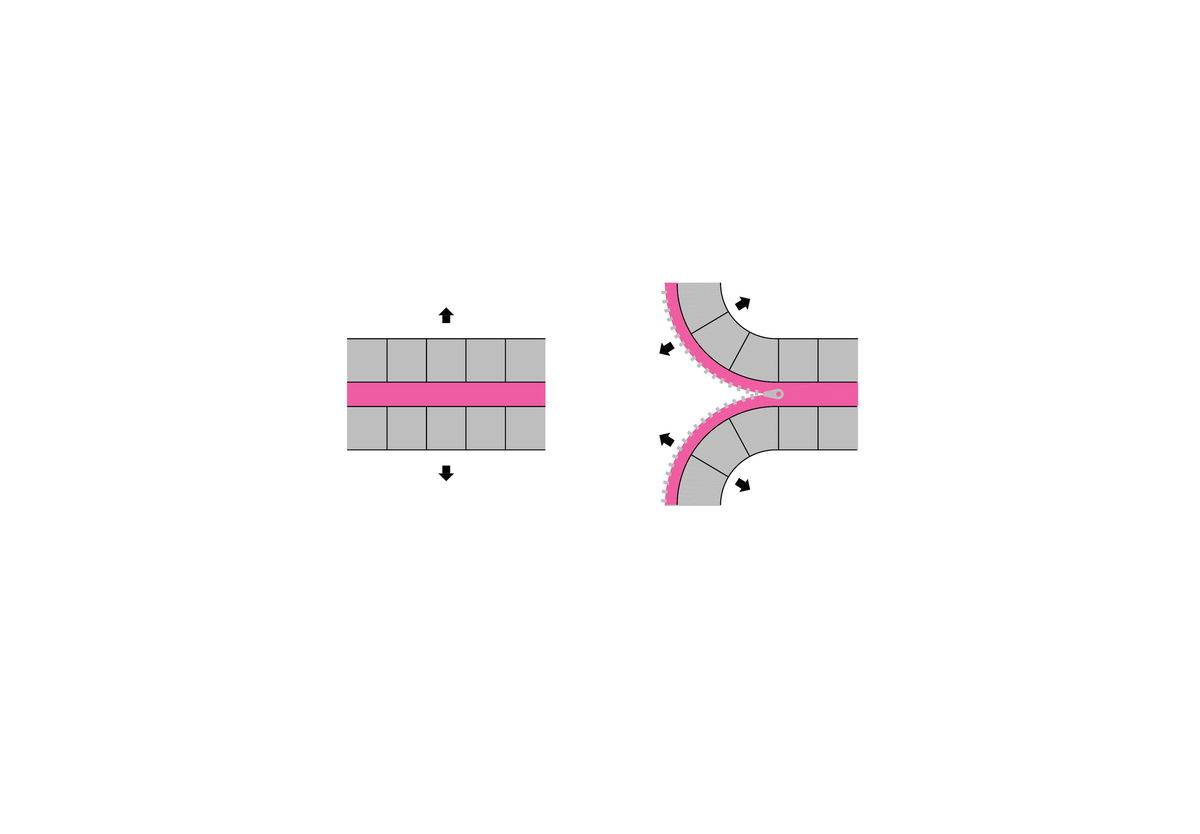
Traditional Corridor Building vs Unzipped Corridor Building
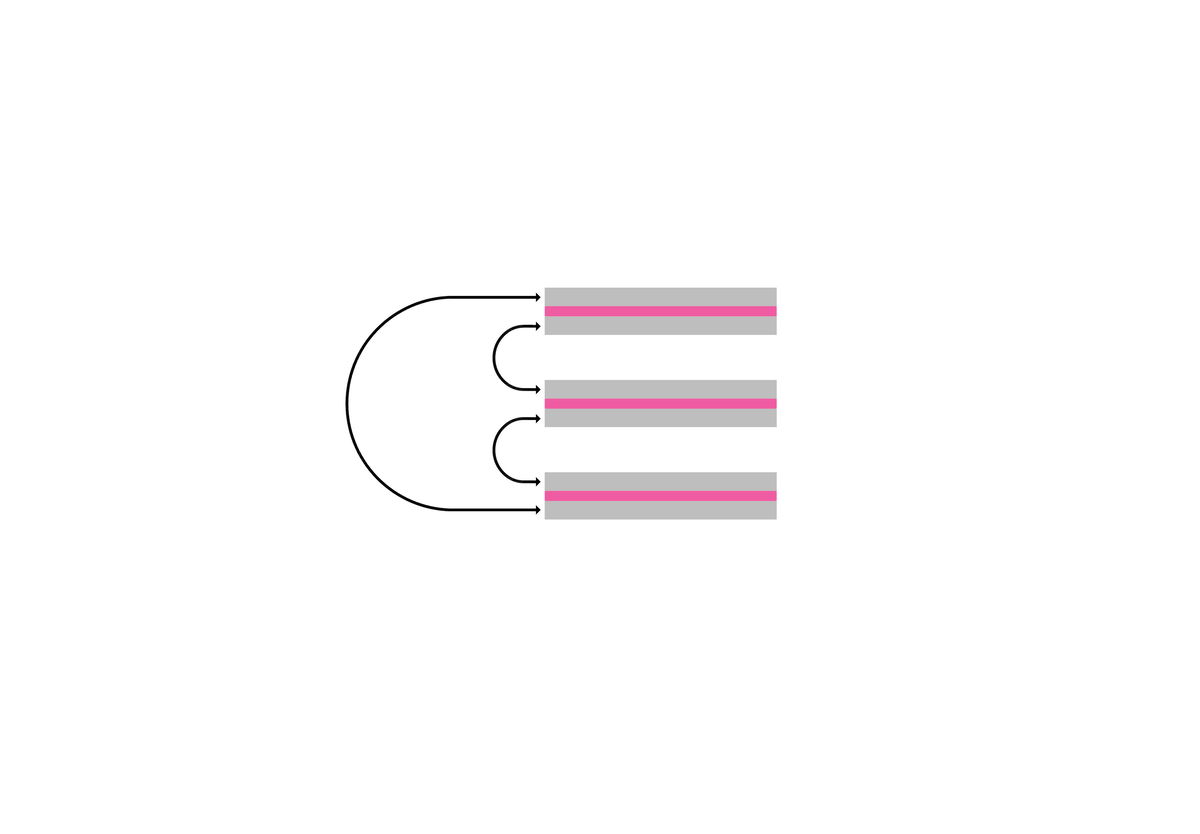
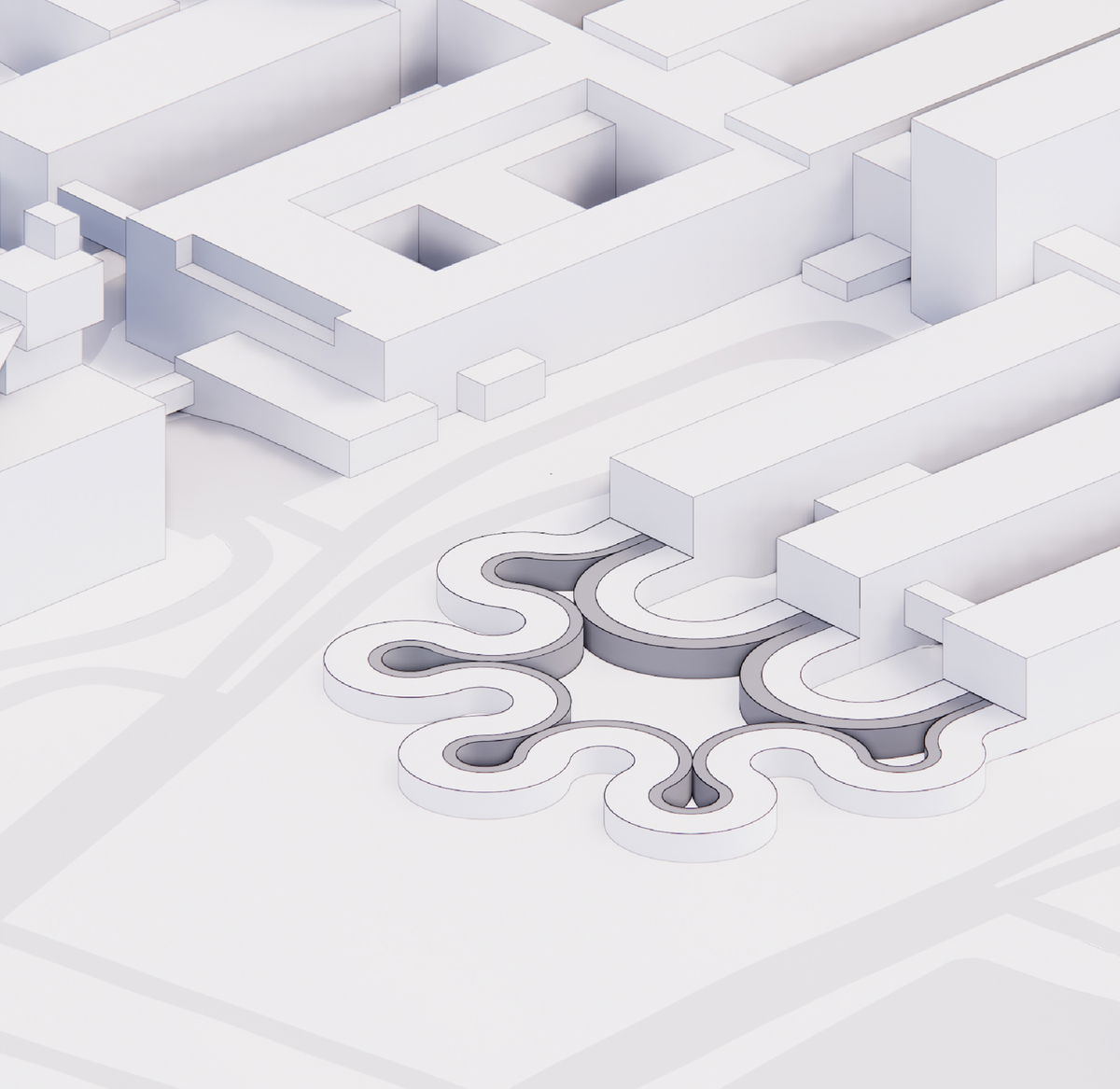
Connecting to Existing Buildings: No Dead Ends — To provide maximum connectivity all building elements grow from the existing campus and plug back into it again. Creating this loop will eliminate all unnecessary dead ends.
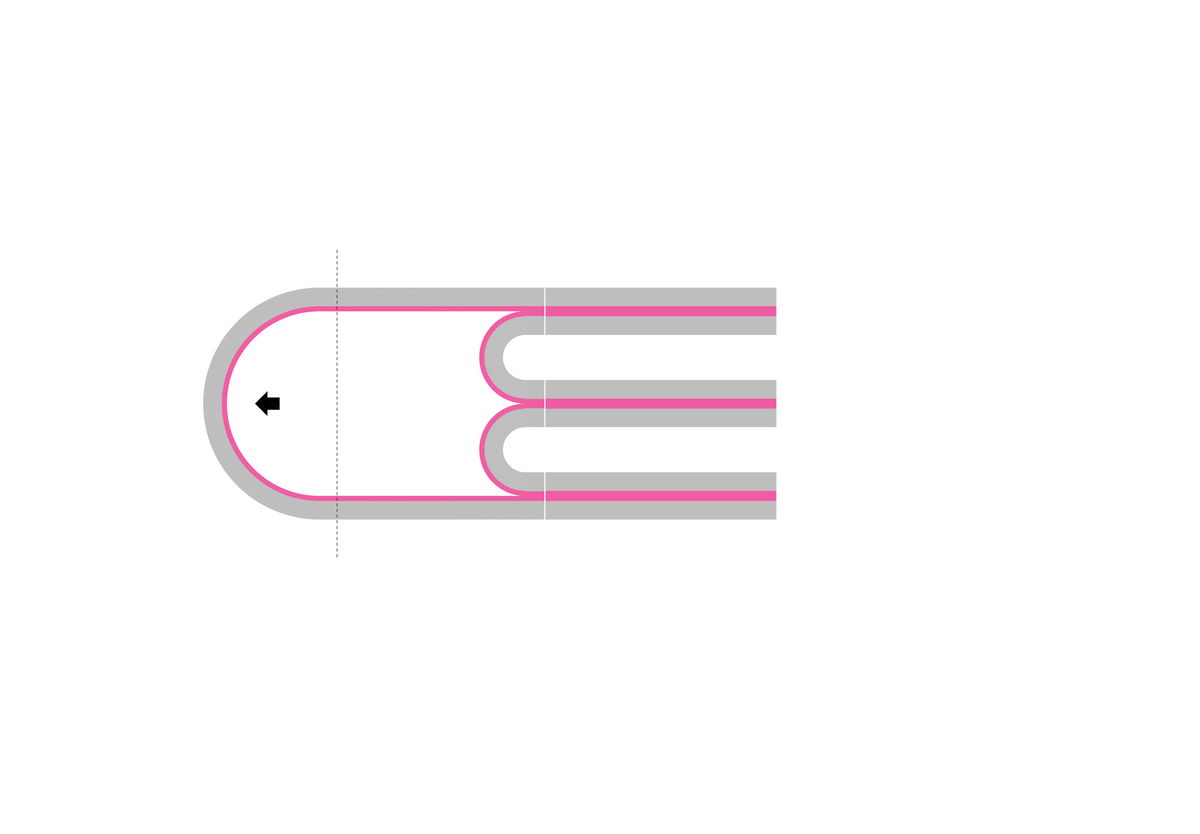
Target Floor Area: Exceeding Site Boundary — To reach the target GFA of 19,000 m2 the typical floor plate needs to provide an average of 3,000 m2. Following the strategy of splitting the corridors and creating a loop back to the existing building this area couldn't would exceed site boundaries.
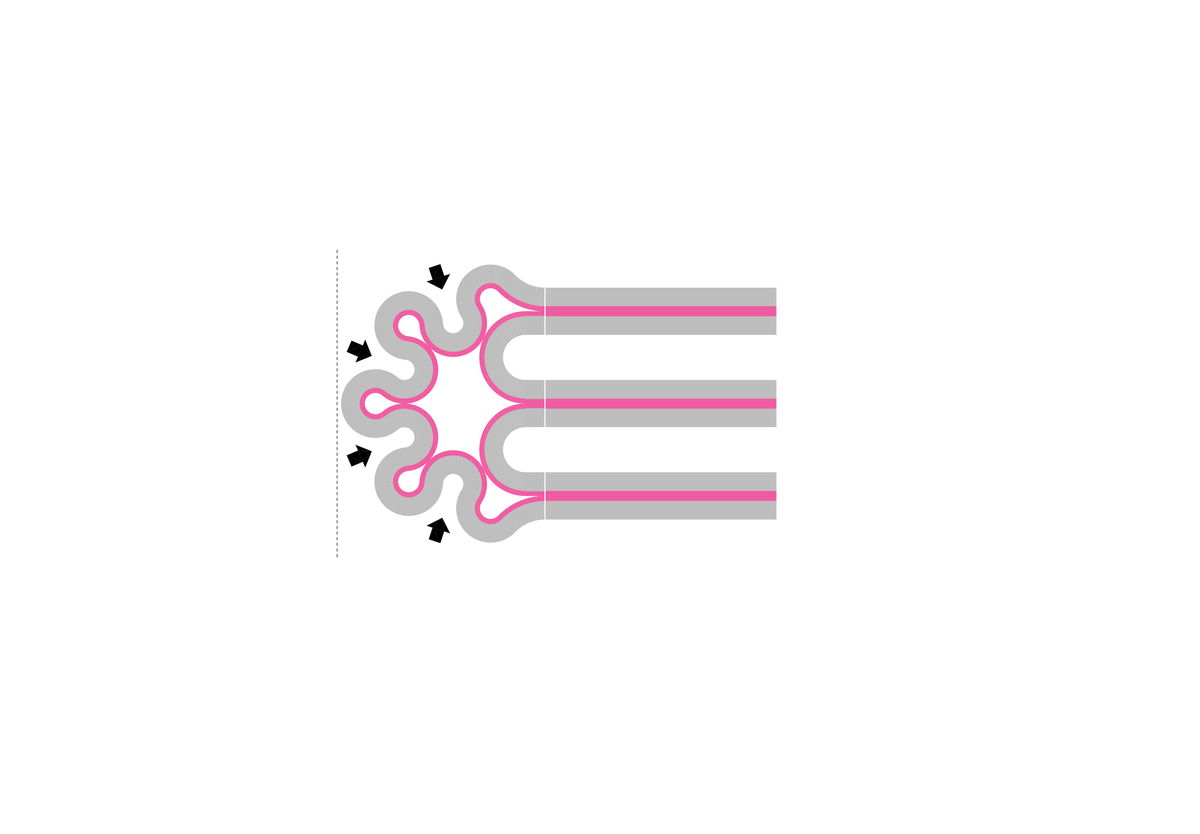
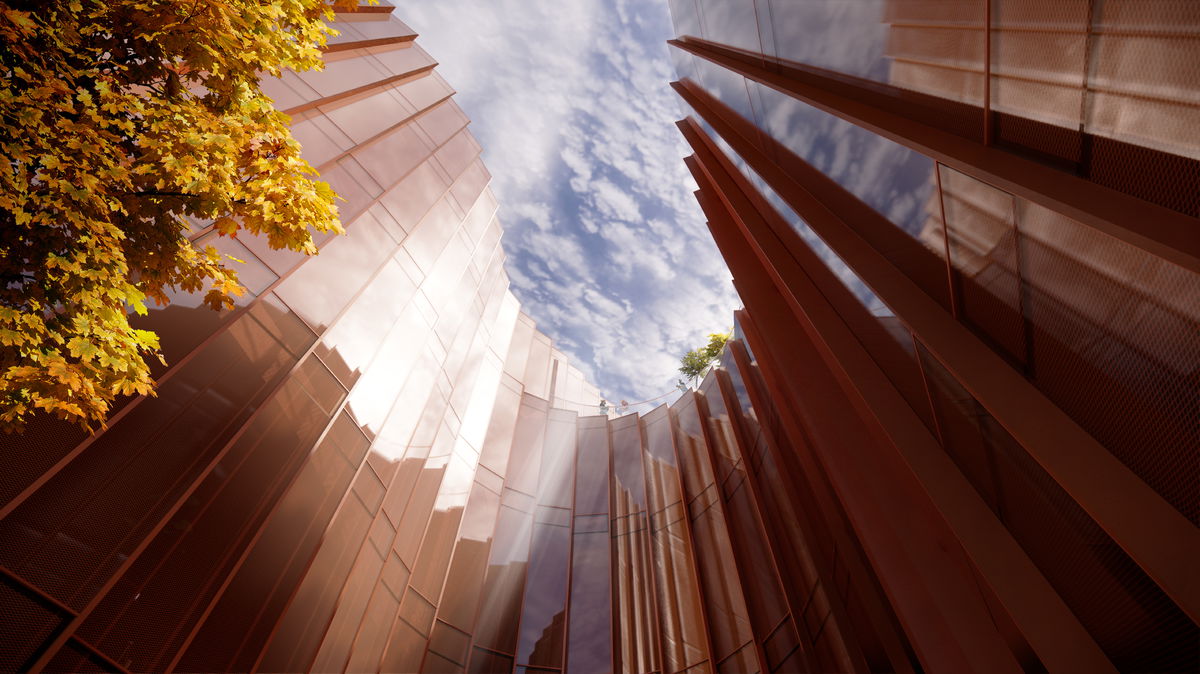
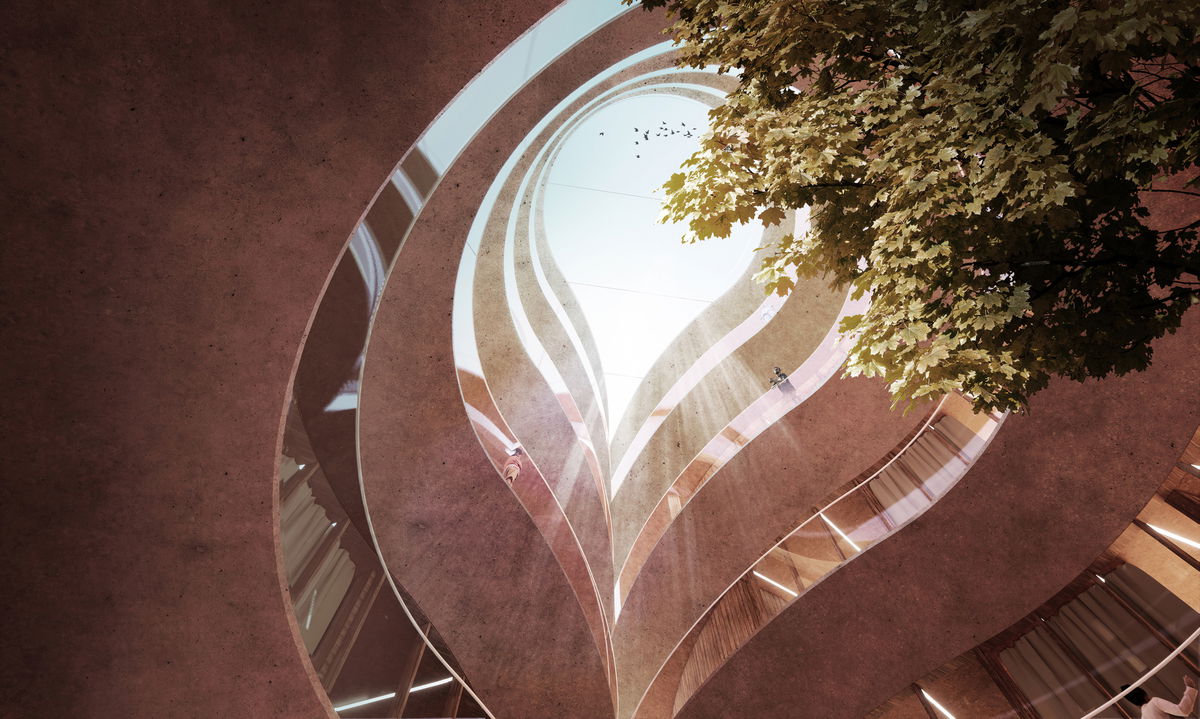
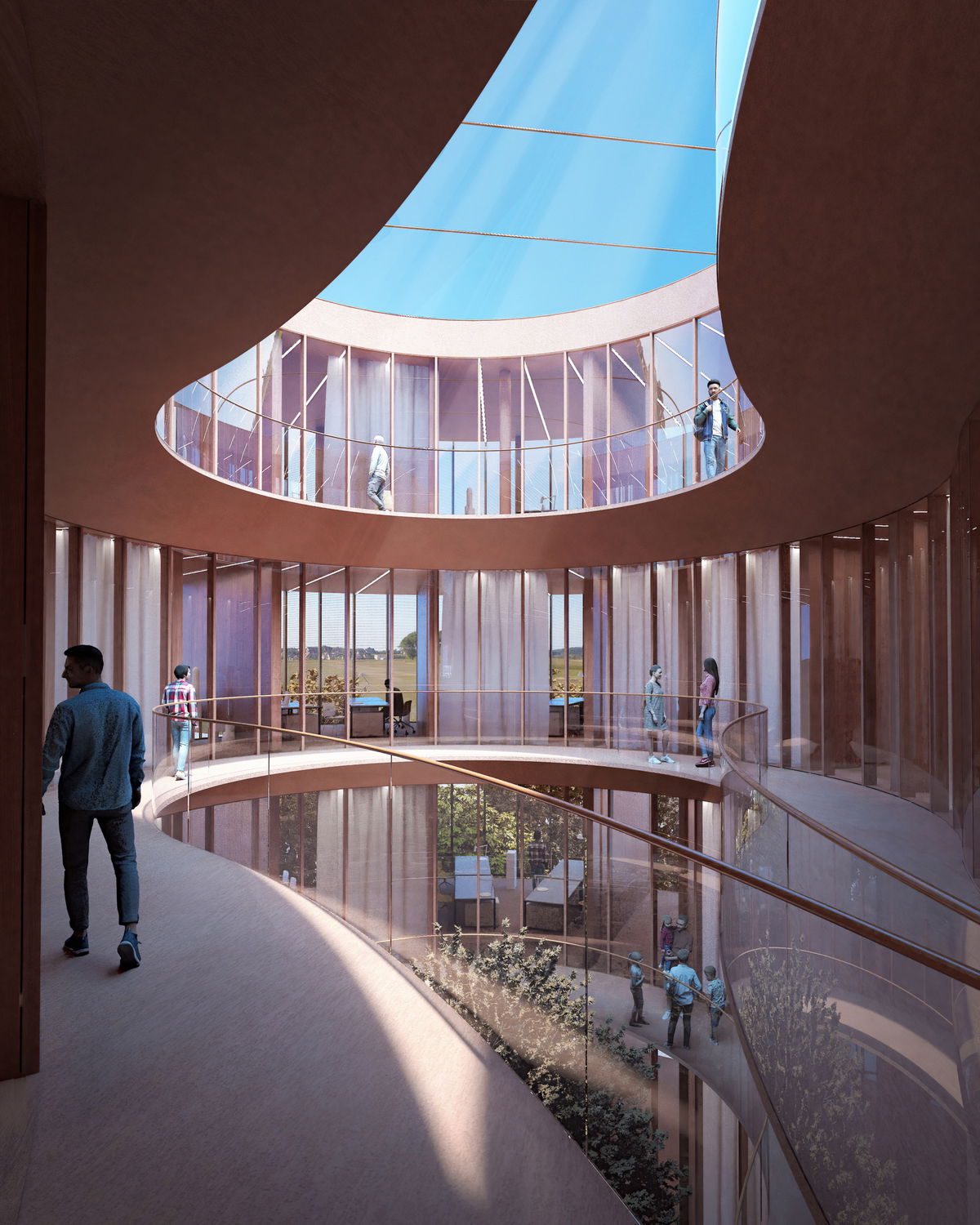
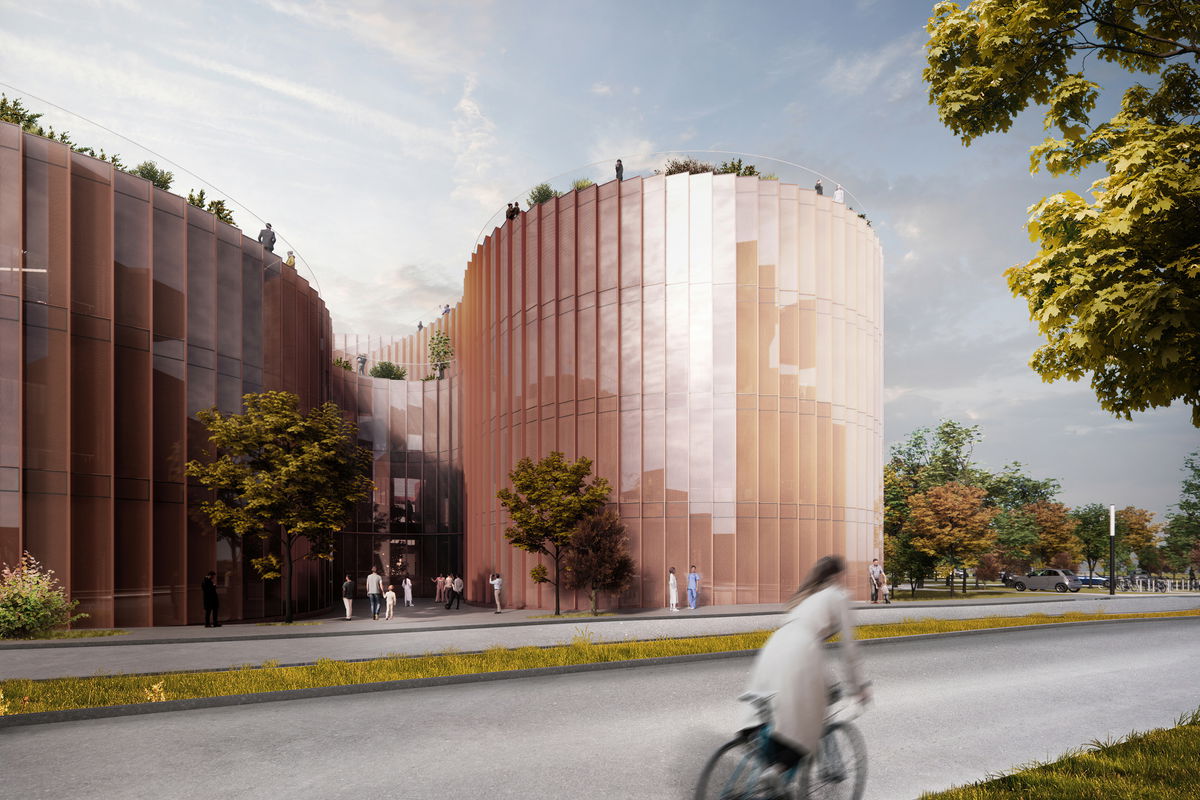
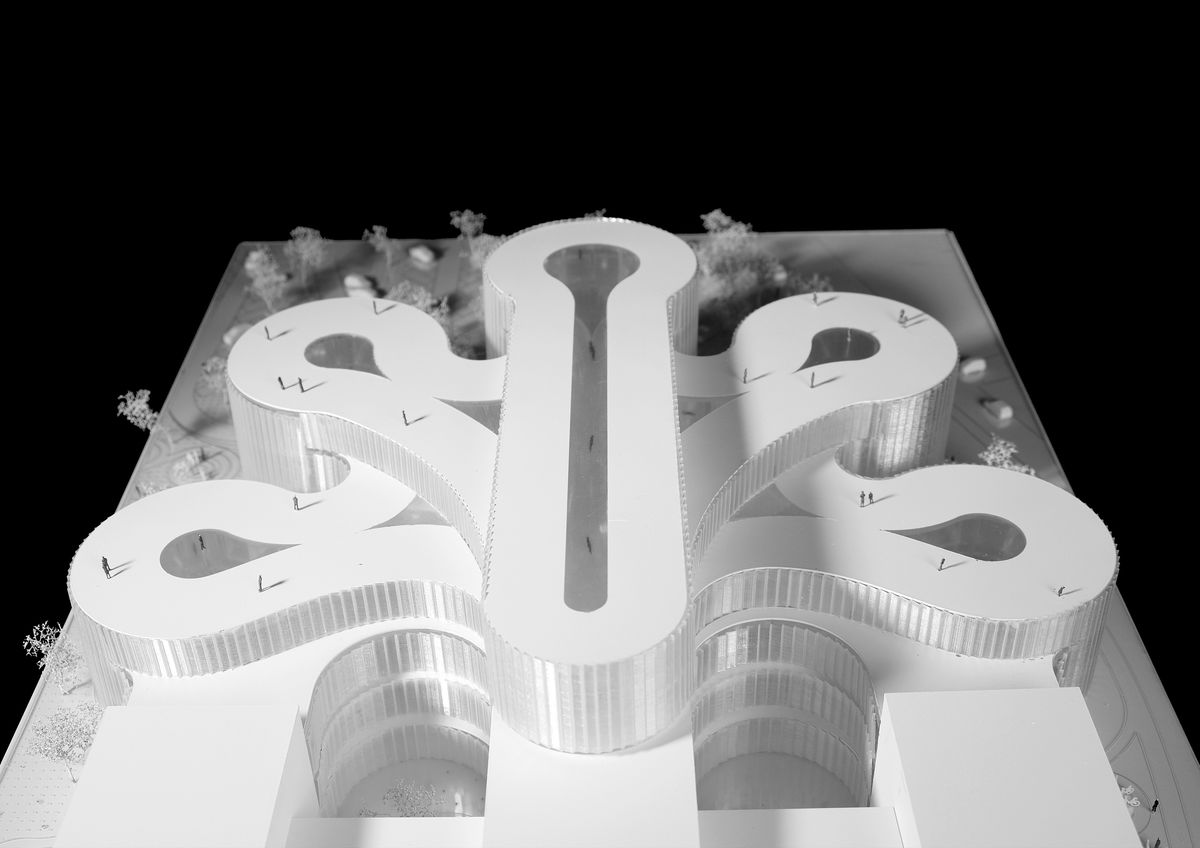
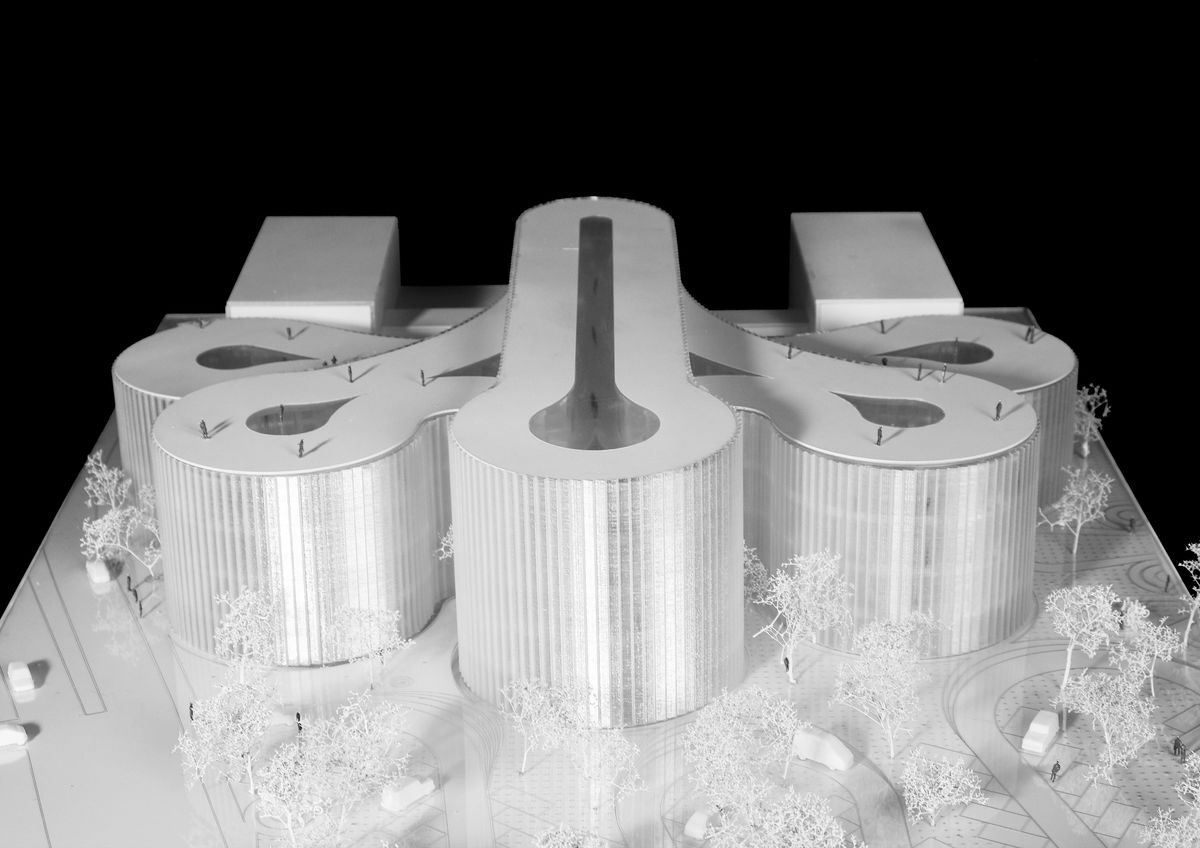
Gyrification — Taking the brain as a direct reference the building folds to provide the necessary square meter count within a limited site area. It leaves the building with a main atrium space and several more private courtyards. The "kissing" moments of the corridors provide shortcuts and views to the exhibition.

4.5m Floor to Floor: Kissing Corridors — To connect to the existing building the give 4.5 m floor to floor height is maintained. Like this the technical and logistic link is given on each connecting floor.
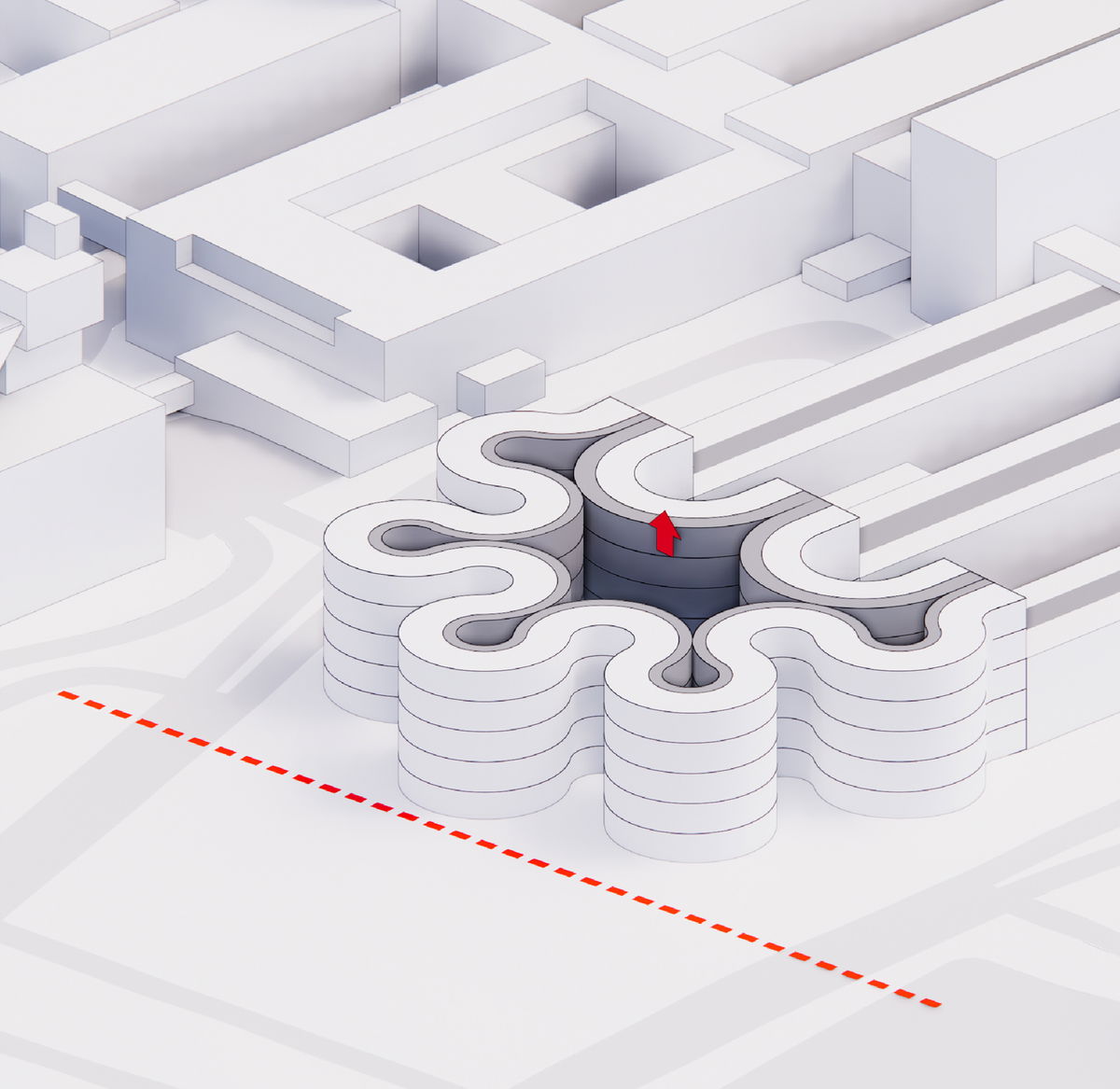
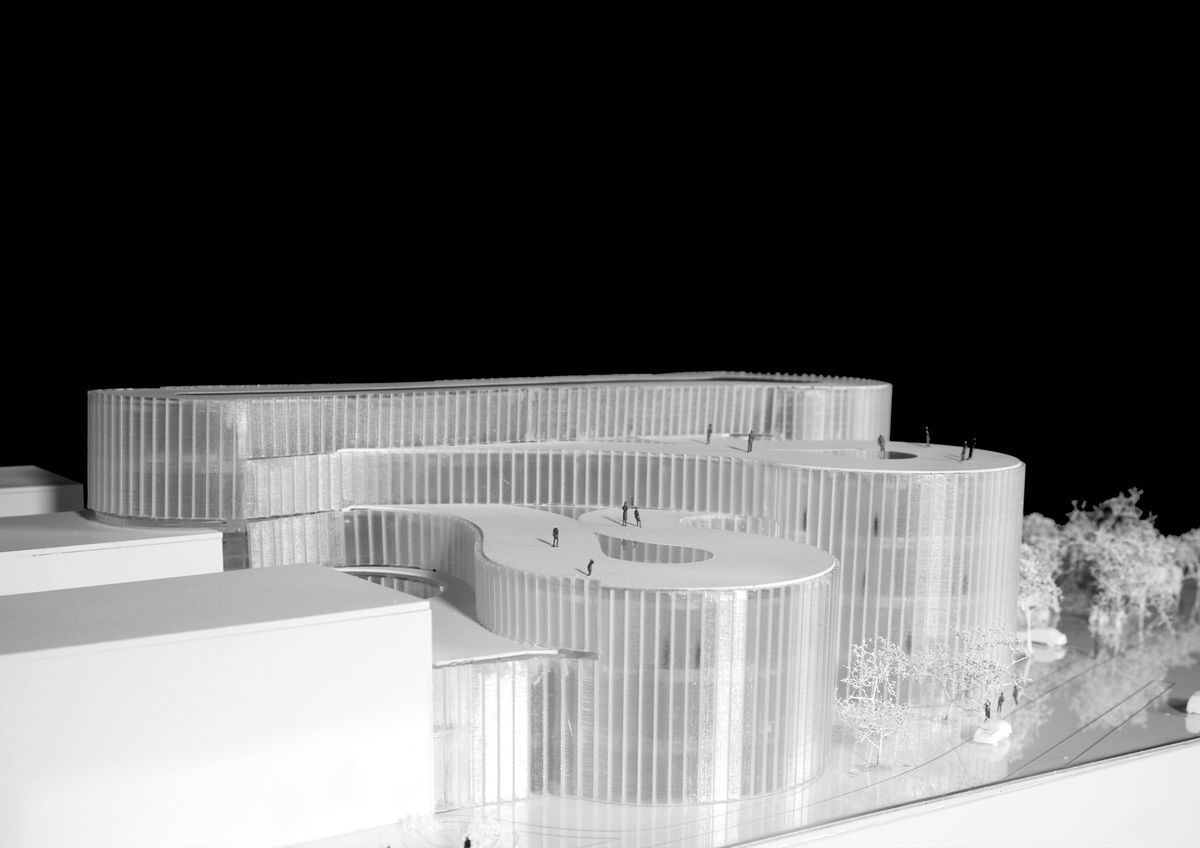
5 Floors Above Ground — A maximum of 5 floors (22.5 m above ground) can be reached. An adjustment of the upper floors is necessary to provide the atria with sufficient daylight.
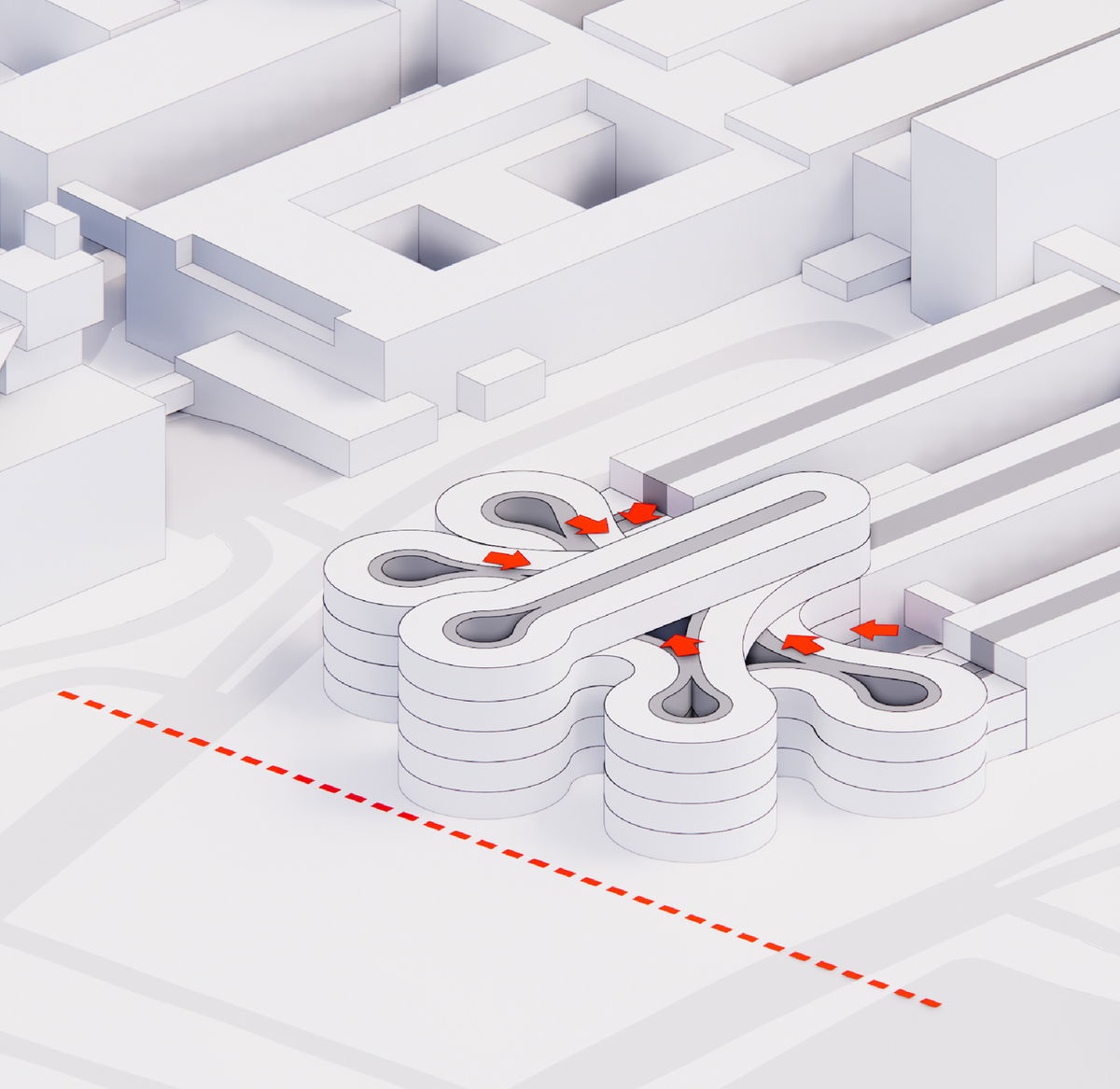
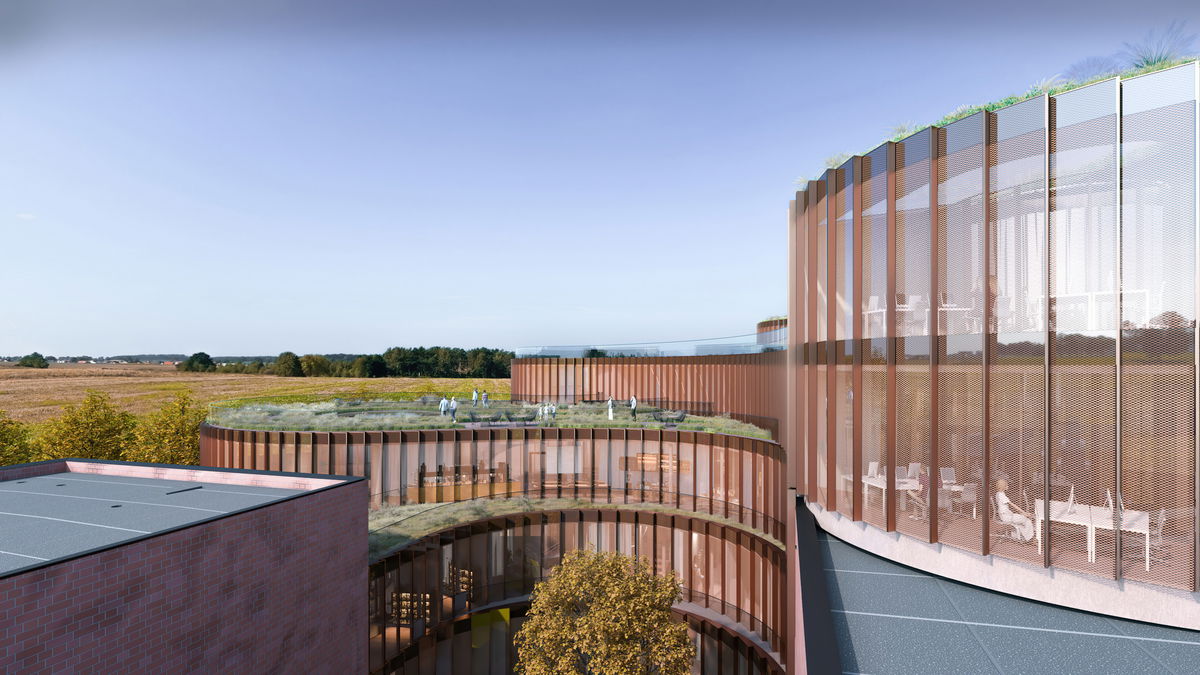
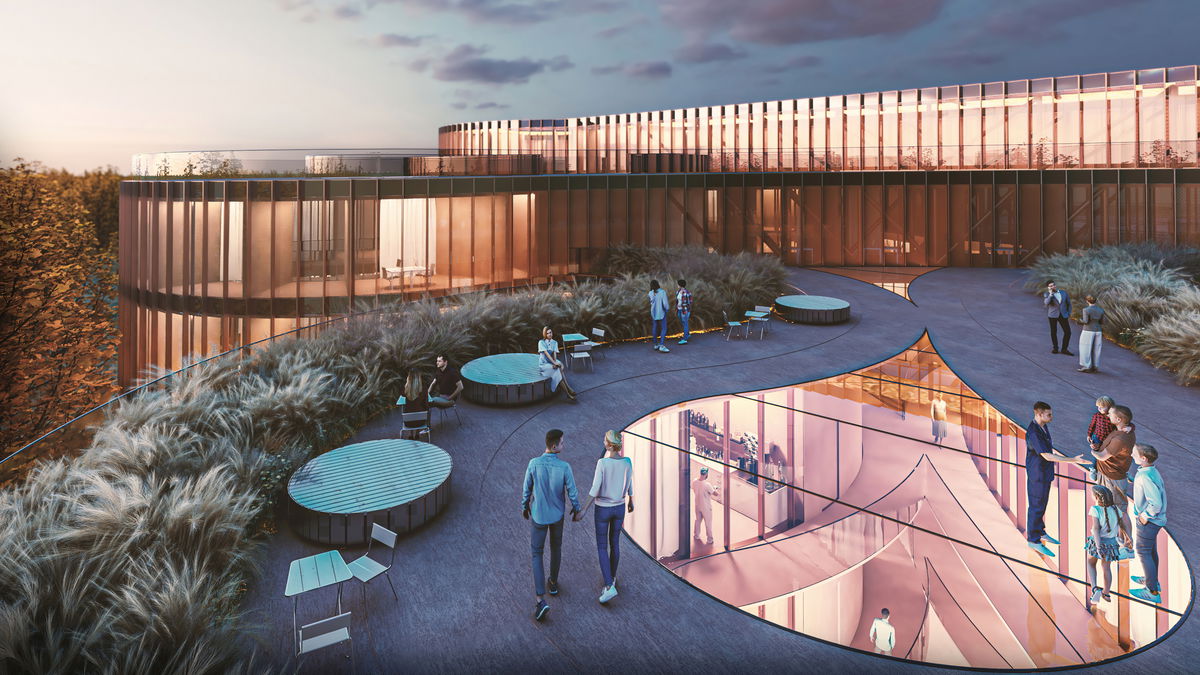
Terracing: Daylight — The reduction of the highest floors provides the building with outdoor terraces on each level. At the same time the center is adjusted to reach the daylight requirements and keeps the necessary connections to the existing building.
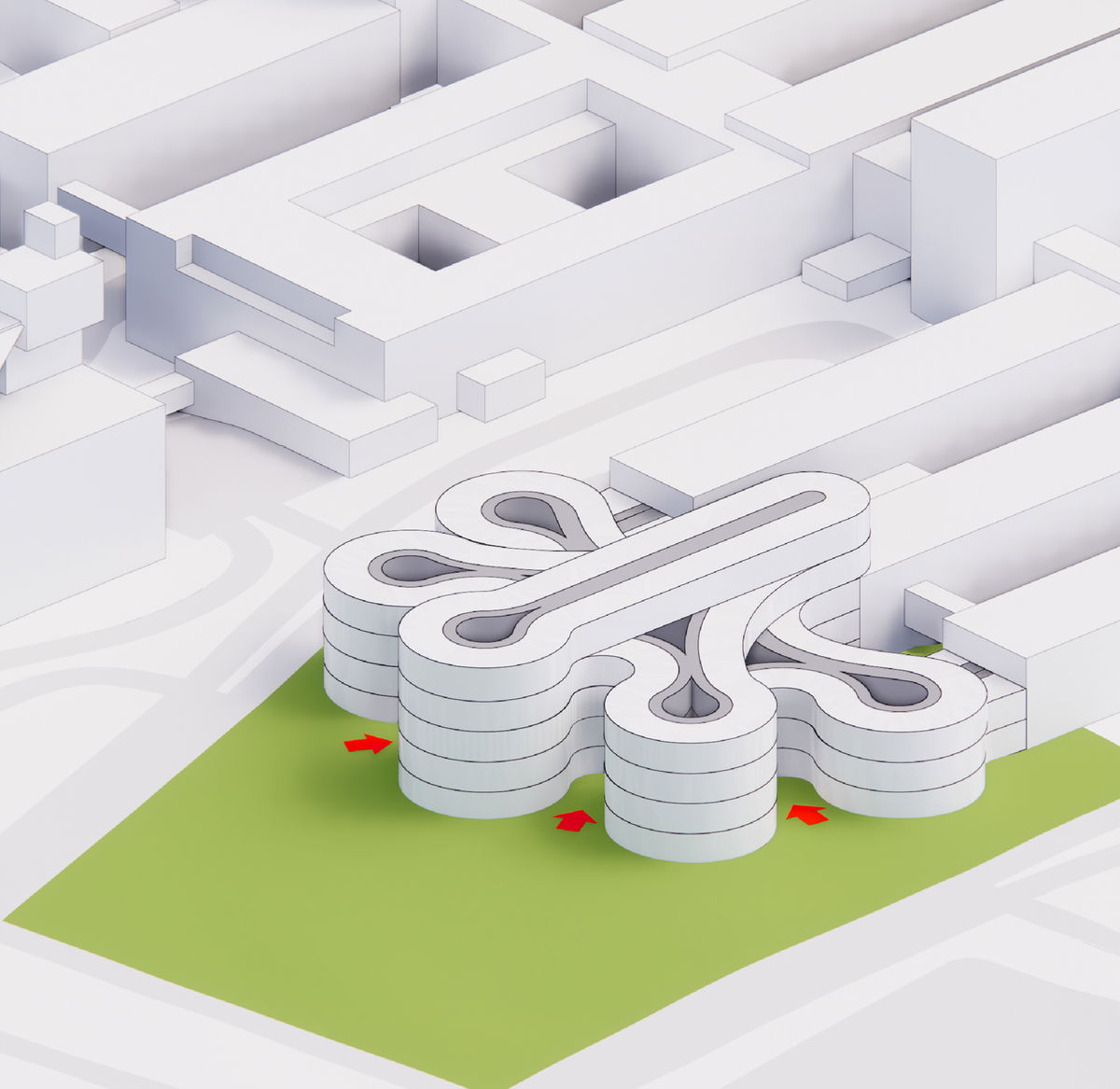
Landscape Gyrification — The limited site area made it difficult to keep enough green spaces in all previous atrium building studies. With the folding of the building the landscape folds in as well, creating pockets of green for each courtyard.
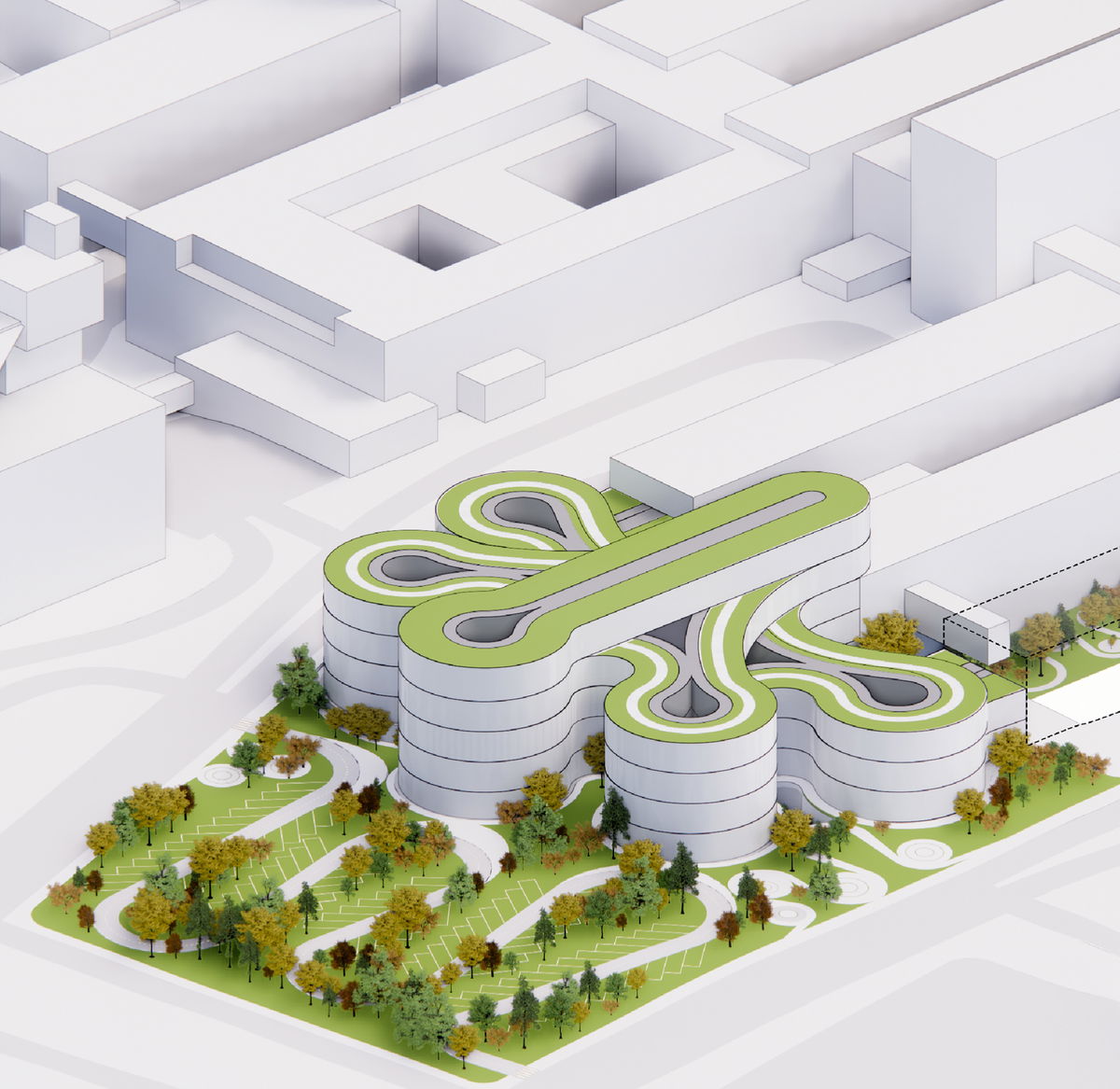
Activating the Courtyards — The activation of an otherwise unused courtyard provides the new research center with a direct outdoor link to the existing building and a more sheltered garden.

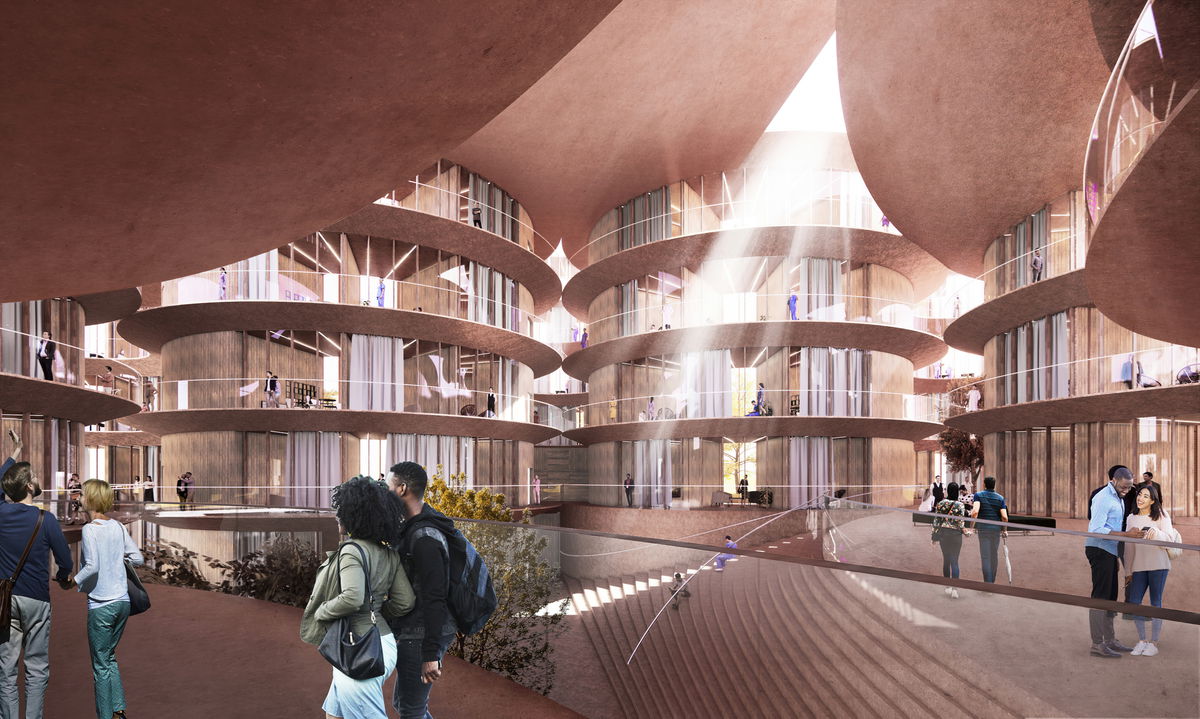
“Historically, hospitals have divided knowledge and expertise into different specialties and departments. DNC seeks to gather all current and future knowledge under one roof to create synergies between different expertise areas and a more holistic approach to understanding and curing brain disorders.”David Zahle - Partner, BIG

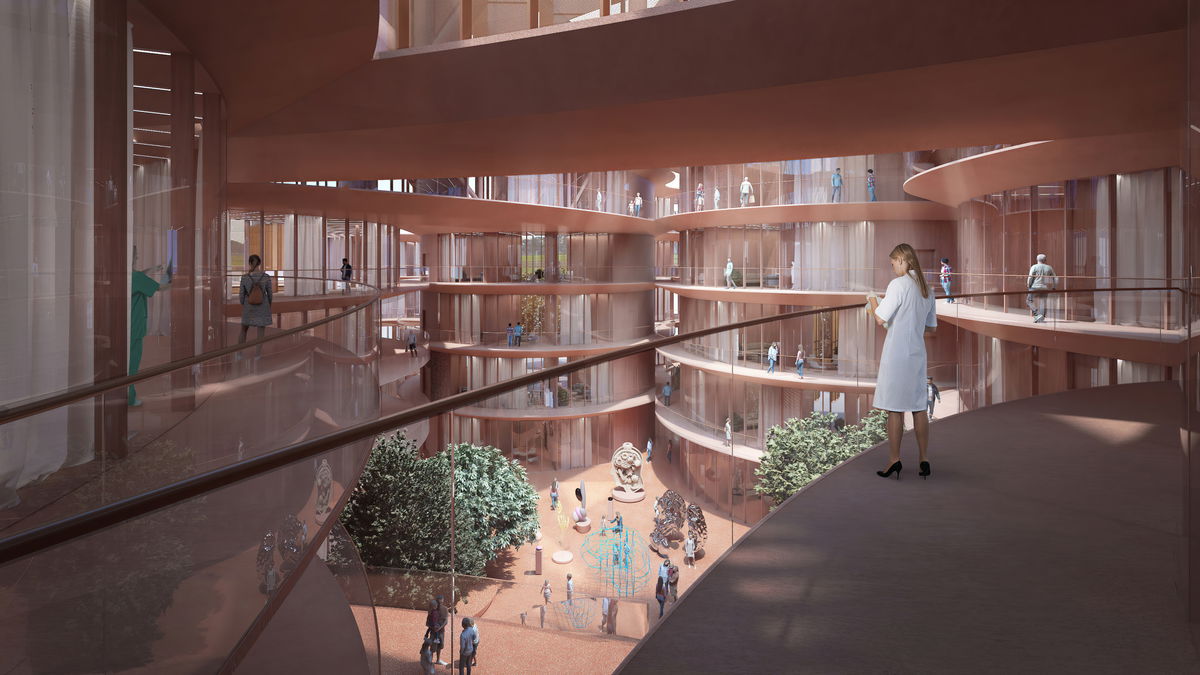


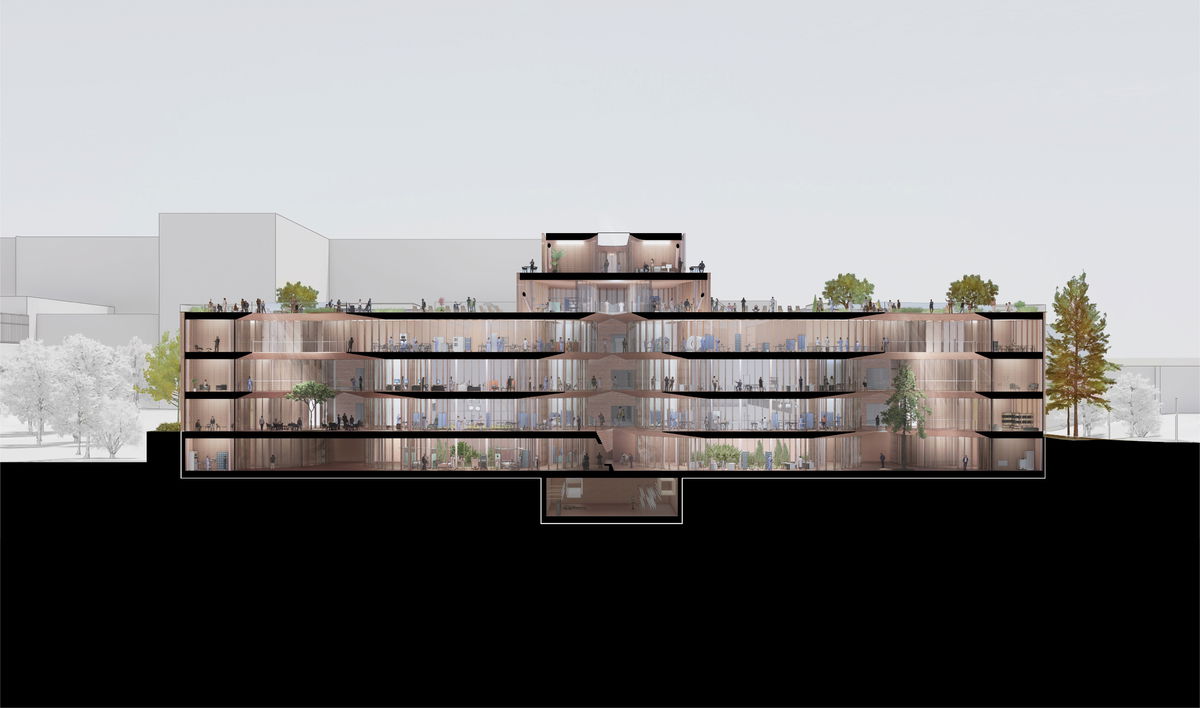
CROSS SECTION
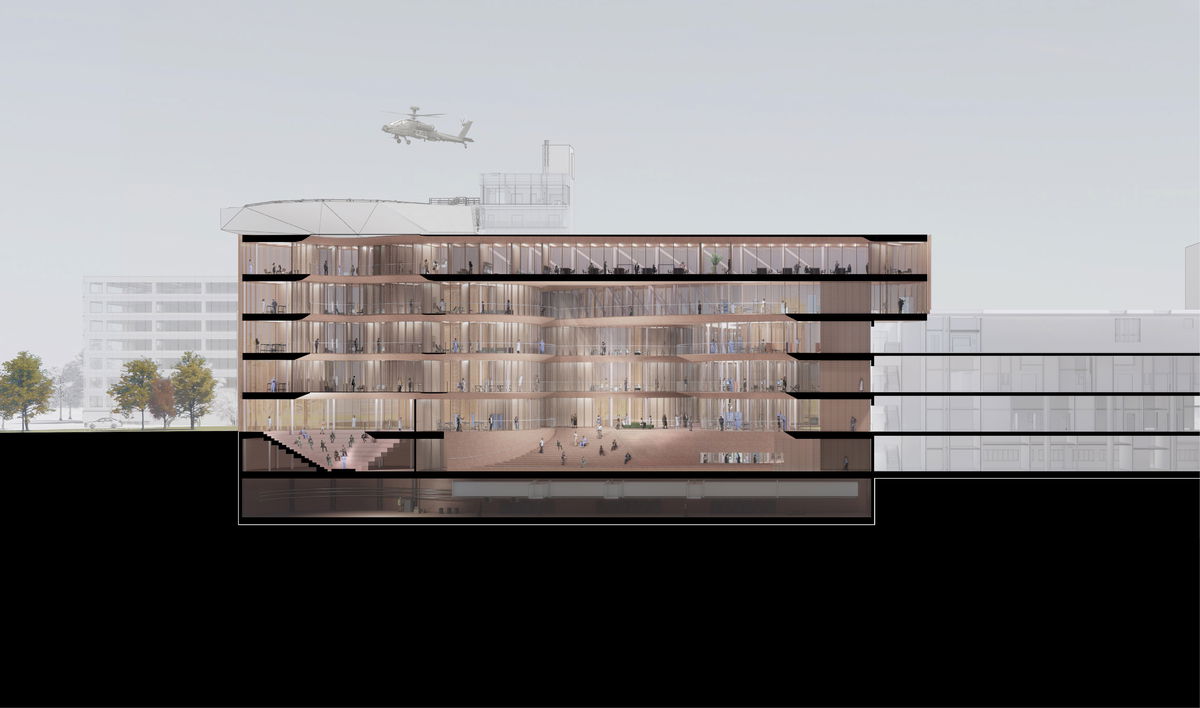
LONGITUDINAL SECTION

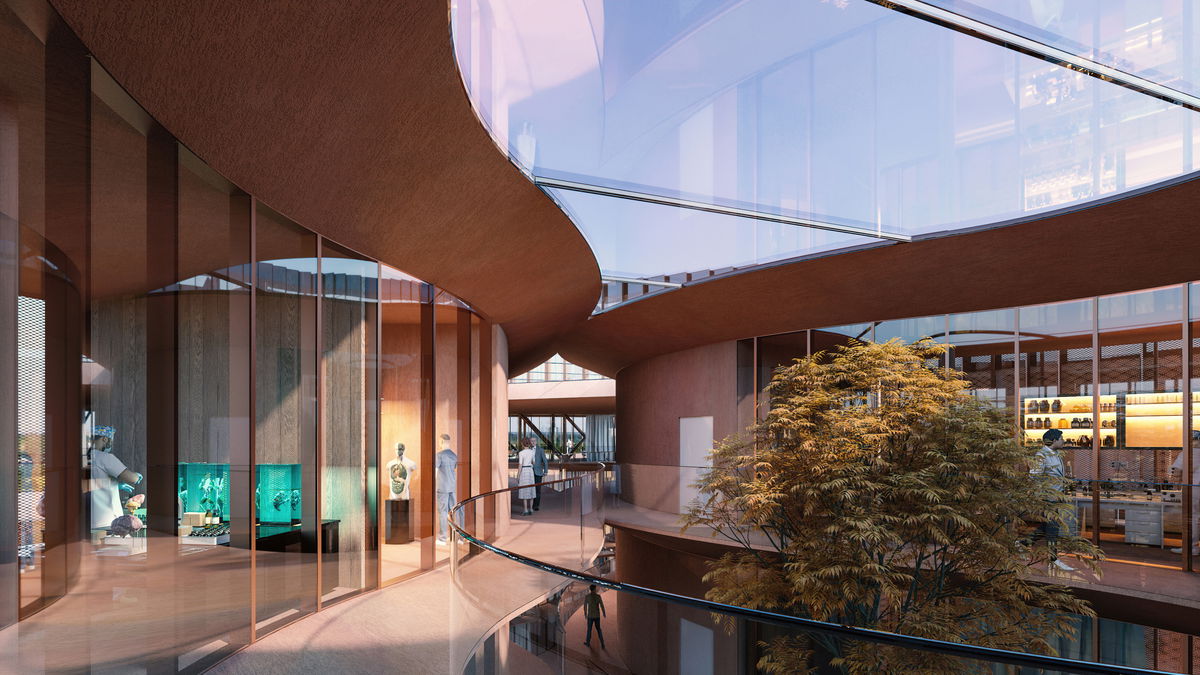
“The brain is the most complex organ in the human body. Our design for the new Danish Neuroscience Center in Aarhus, replicates the most essential feature of the brain - the gyrification - to create more connections and space within limited confines. The building folds bring light, lots of new pathways and green pockets into the hospital making nature and biodiversity part of the hospital’s research and the healing journey of its patients.”Bjarke Ingels - Founder & creative director, BIG



Partner in Charge
Bjarke Ingels
David Zahle
Project Leader
Viktoria Millentrup
Project Team
Anders Holden Deleuran
Bachir Benkirane
Federico Martínez De Sola Monereo
Jesper Kanstrup Petersen
Julia Novaes Tabet
Luca Pileri
Lukasz Zbigniew Migala
Mantas Povilaika
Mikkel Marcker Stubgaard
Natasha Lykke Lademann Østergaard
Omar Mohamed Nabil Mohamed Saad Mowafy
Taliya Nurutdinova
Victor Moegreen
Zuzanna Eugenia Montwill
BIG Ideas
Katrine Juul
Kristoffer Negendahl
Tore Banke
BIG Landscape
Ulla Hornsyld
BIG Engineering
Andy Coward
Collaborators
Salling Fondene