

HB Trapper
Herning, Denmark
Client
HB Trapper & Stål A/S
Typology
Work
Size m2/ft2
920 / 9,795
Status
Completed

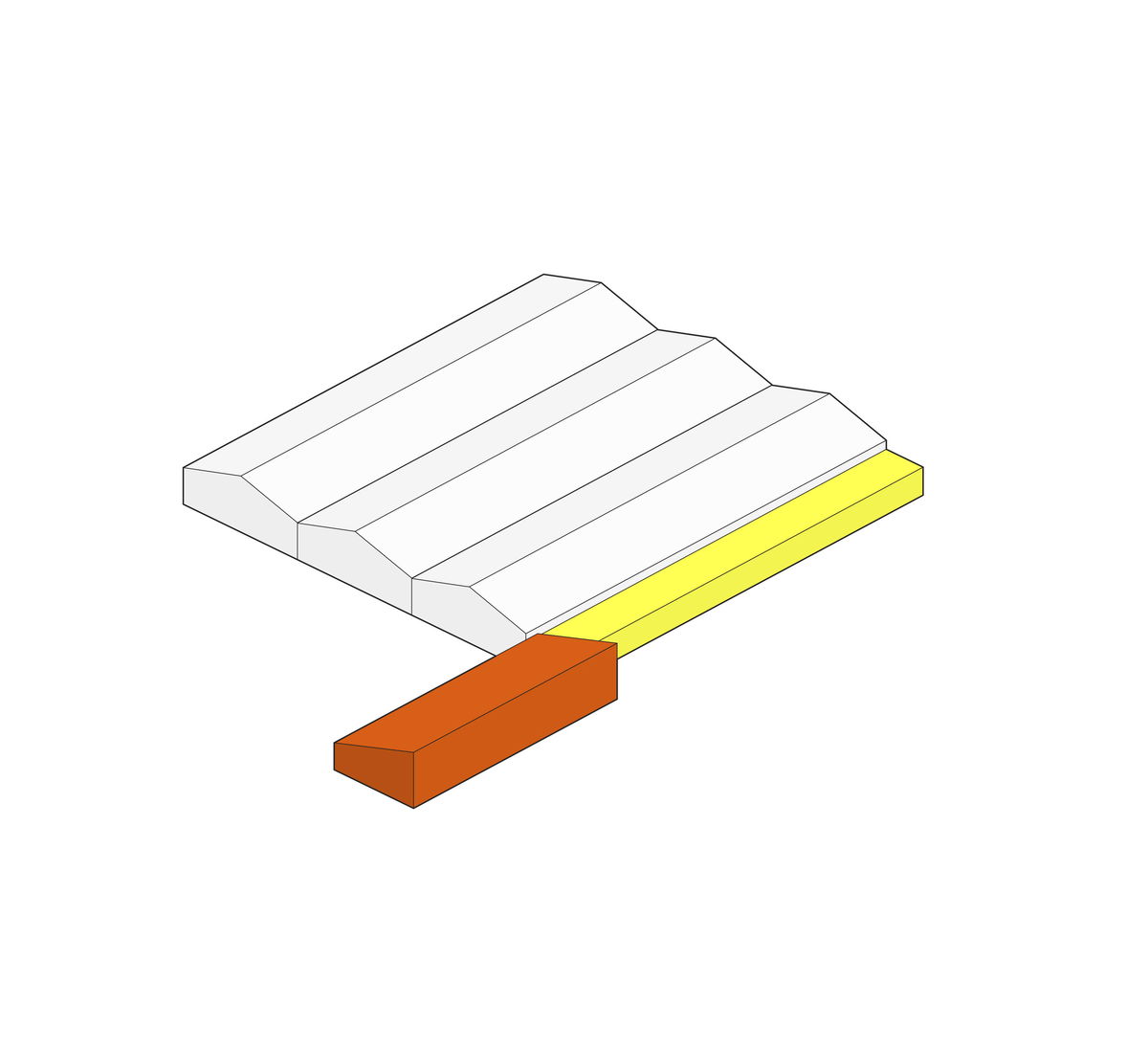
HB Trapper — The existing administration buildings located north of the production facilities, were planned to be demolished.
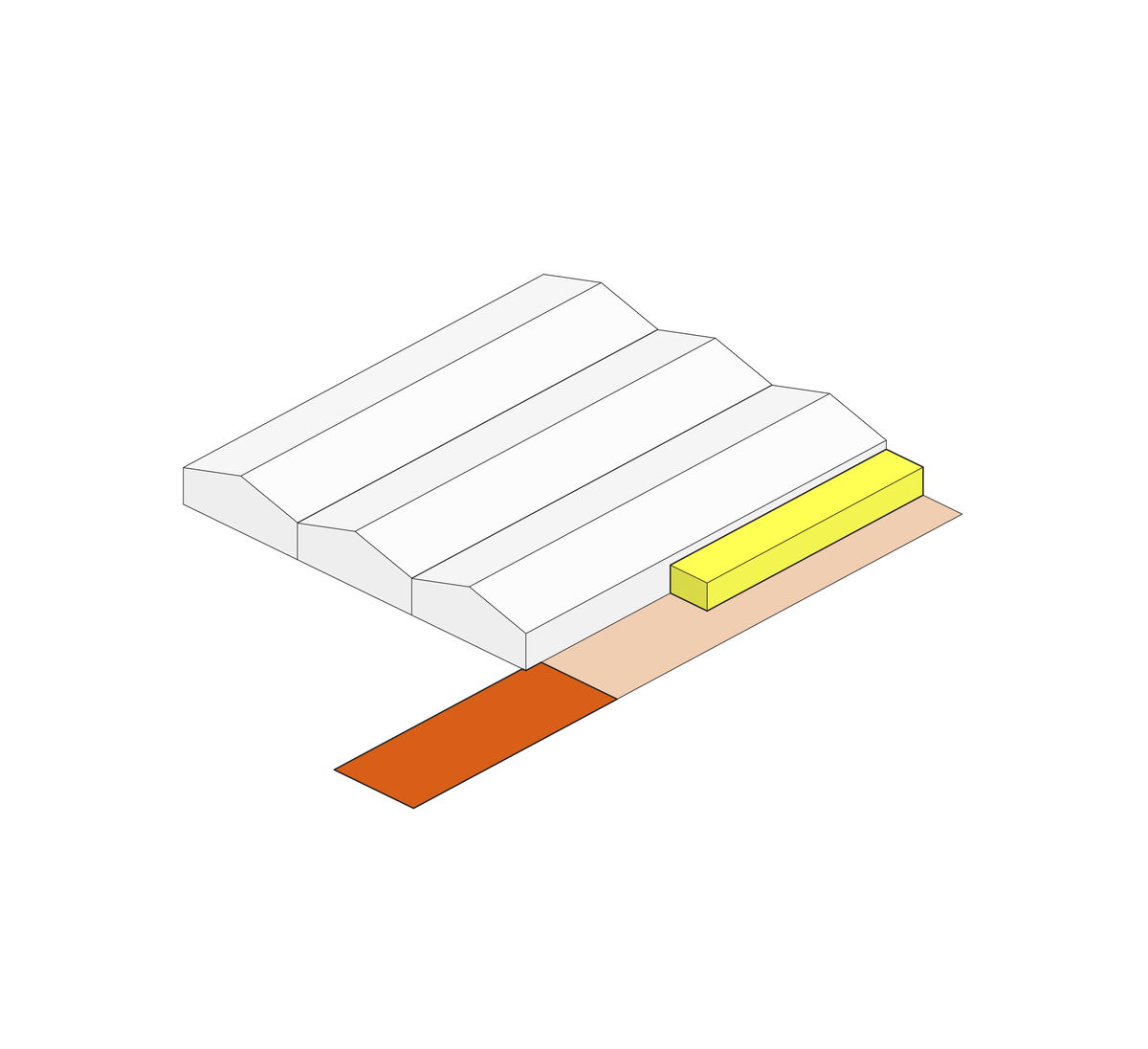
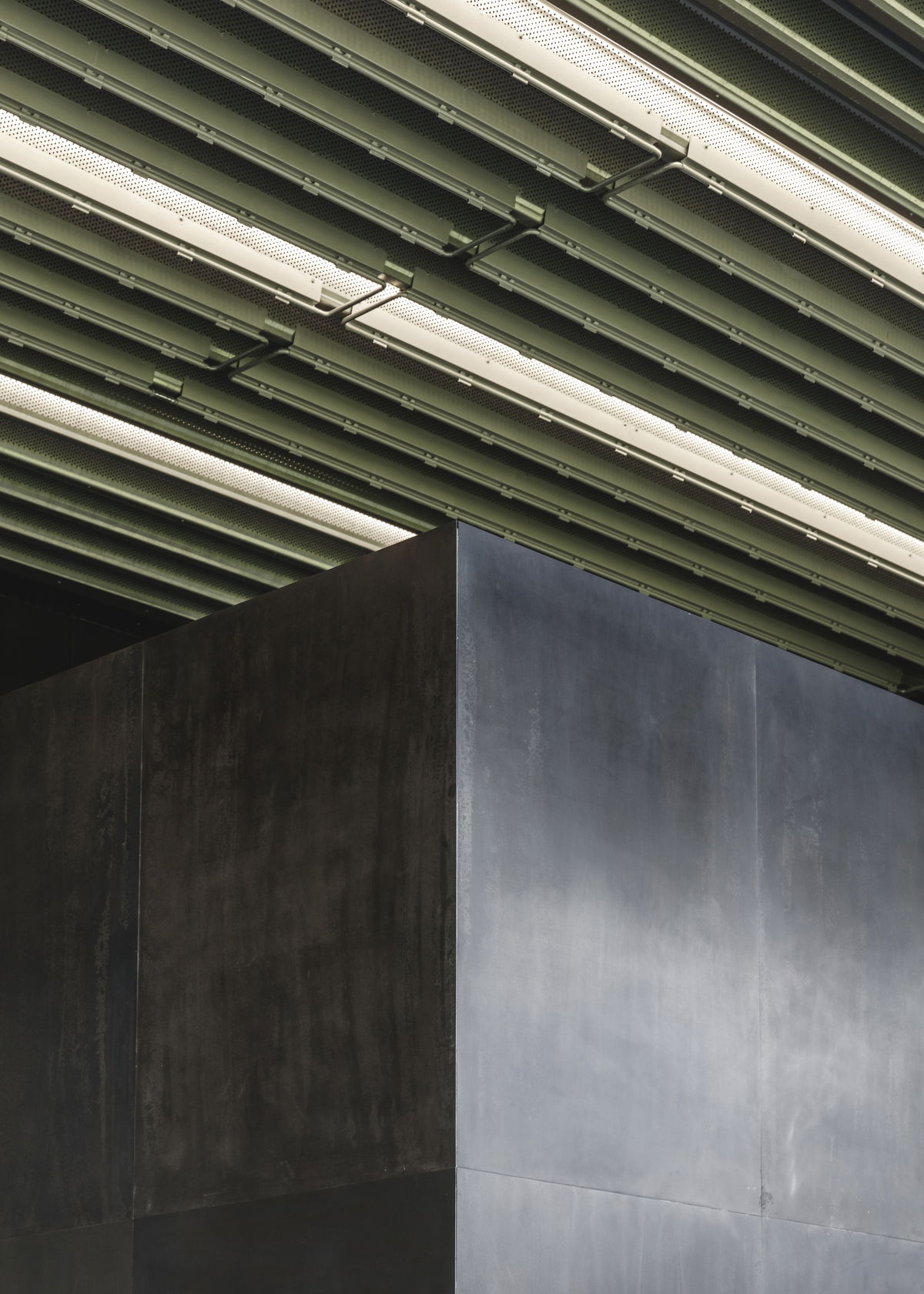
Adaptive Re-use — Rather than completely demolishing the two buildings, one was largely kept intact while the foundations and concrete slab was reused from the other, and together the remains form the outline of the new building.
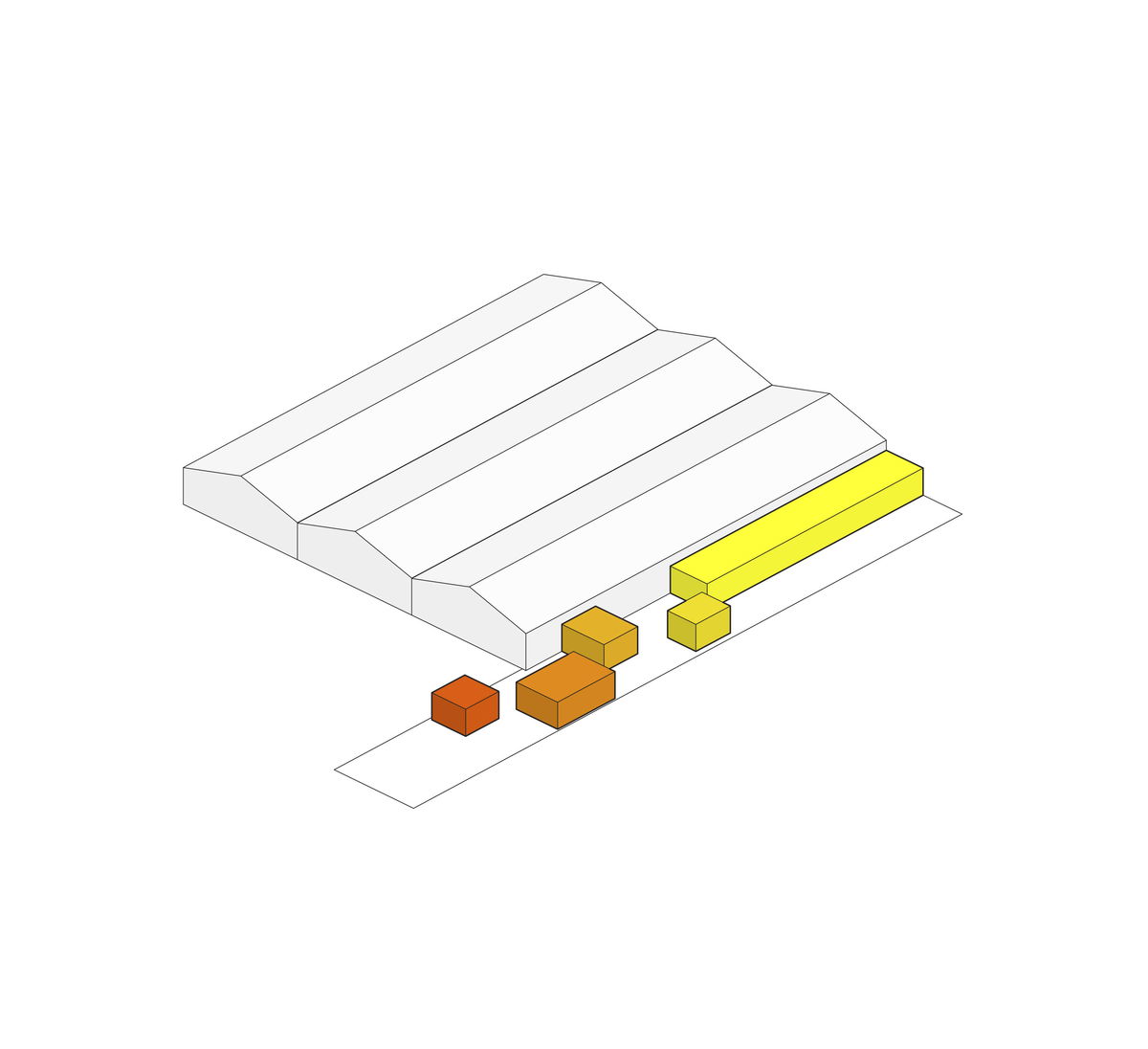
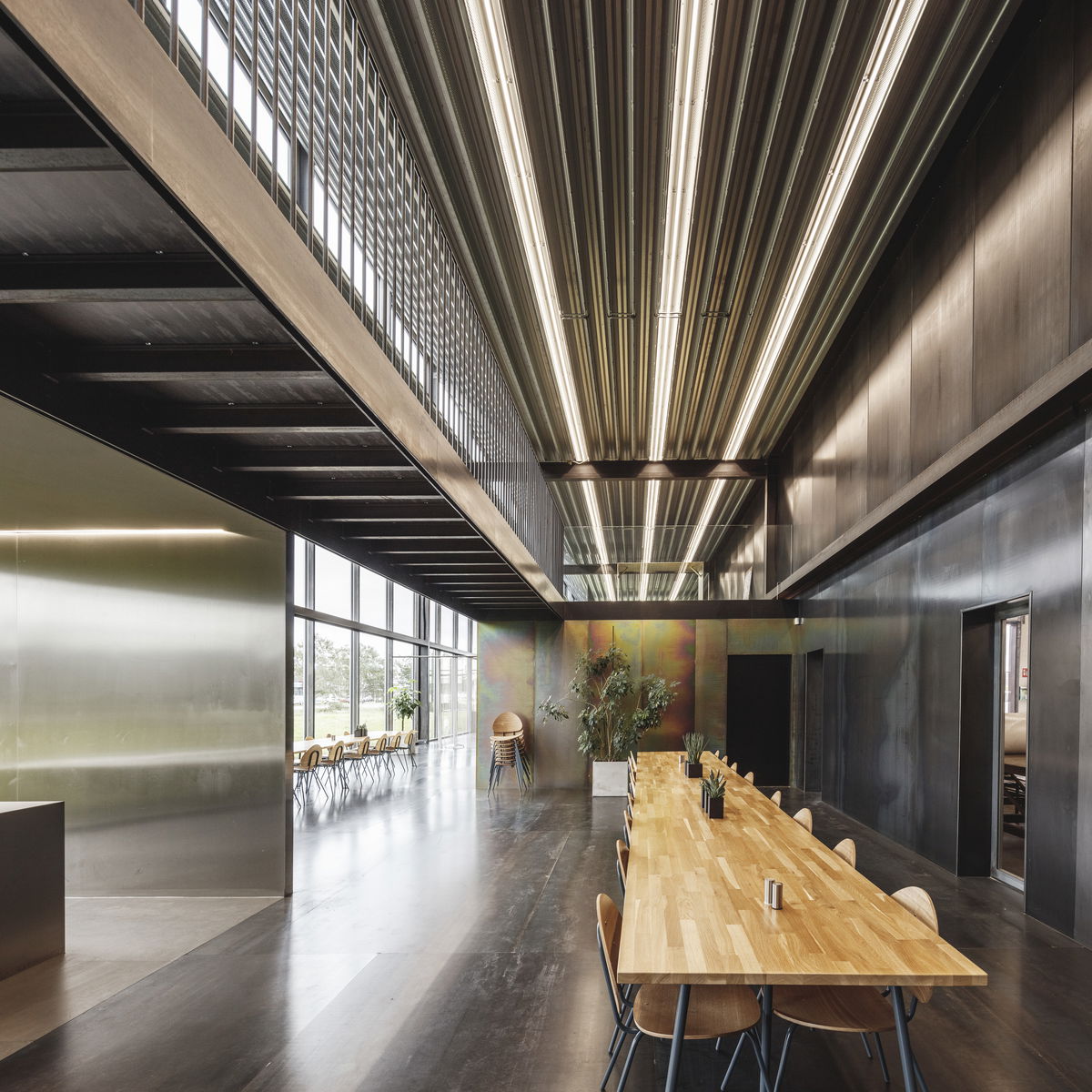
Village — Four new volumes are added to the existing volume attached to the production facilities. Together they form a small village of functions and spaces.
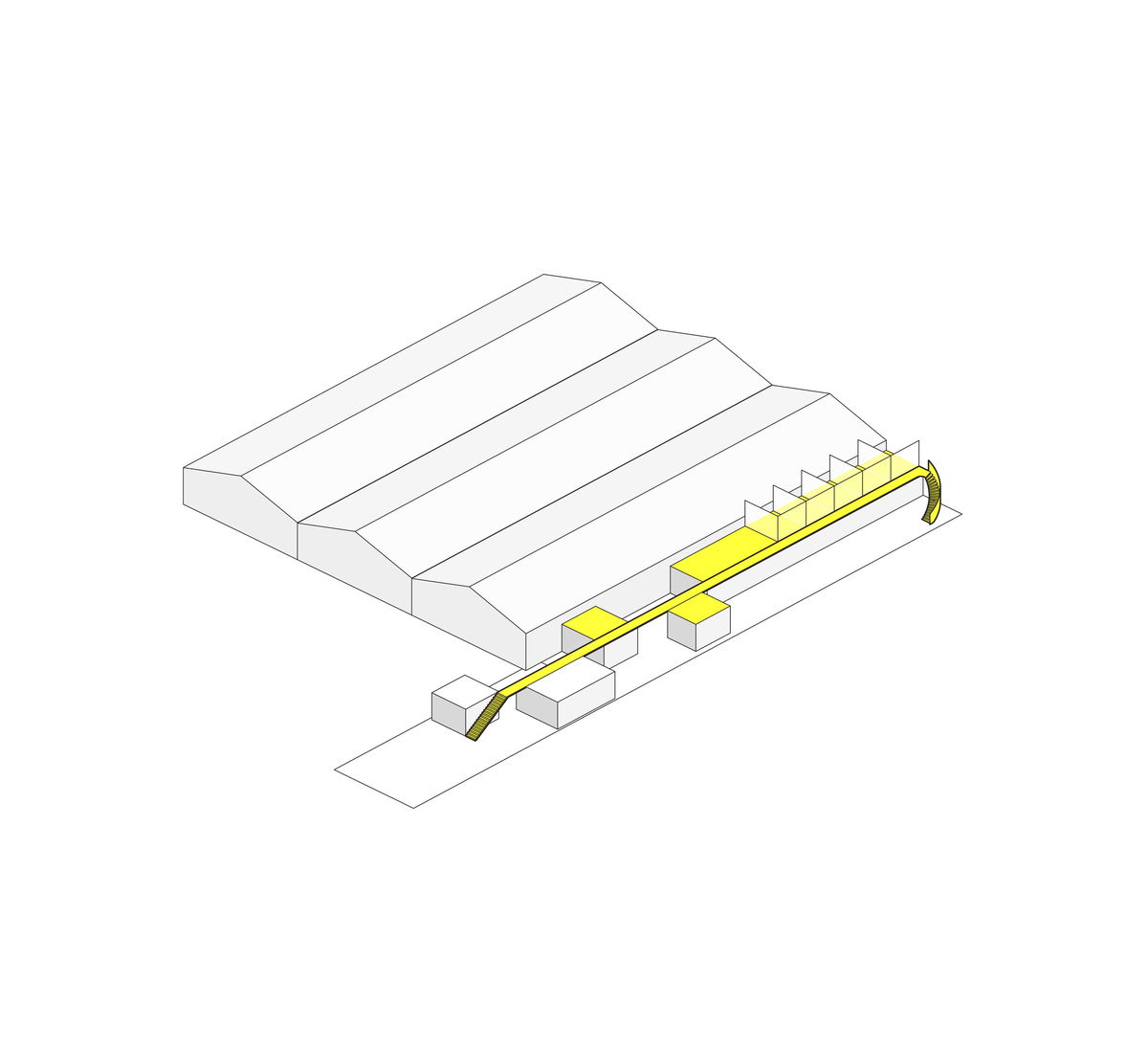
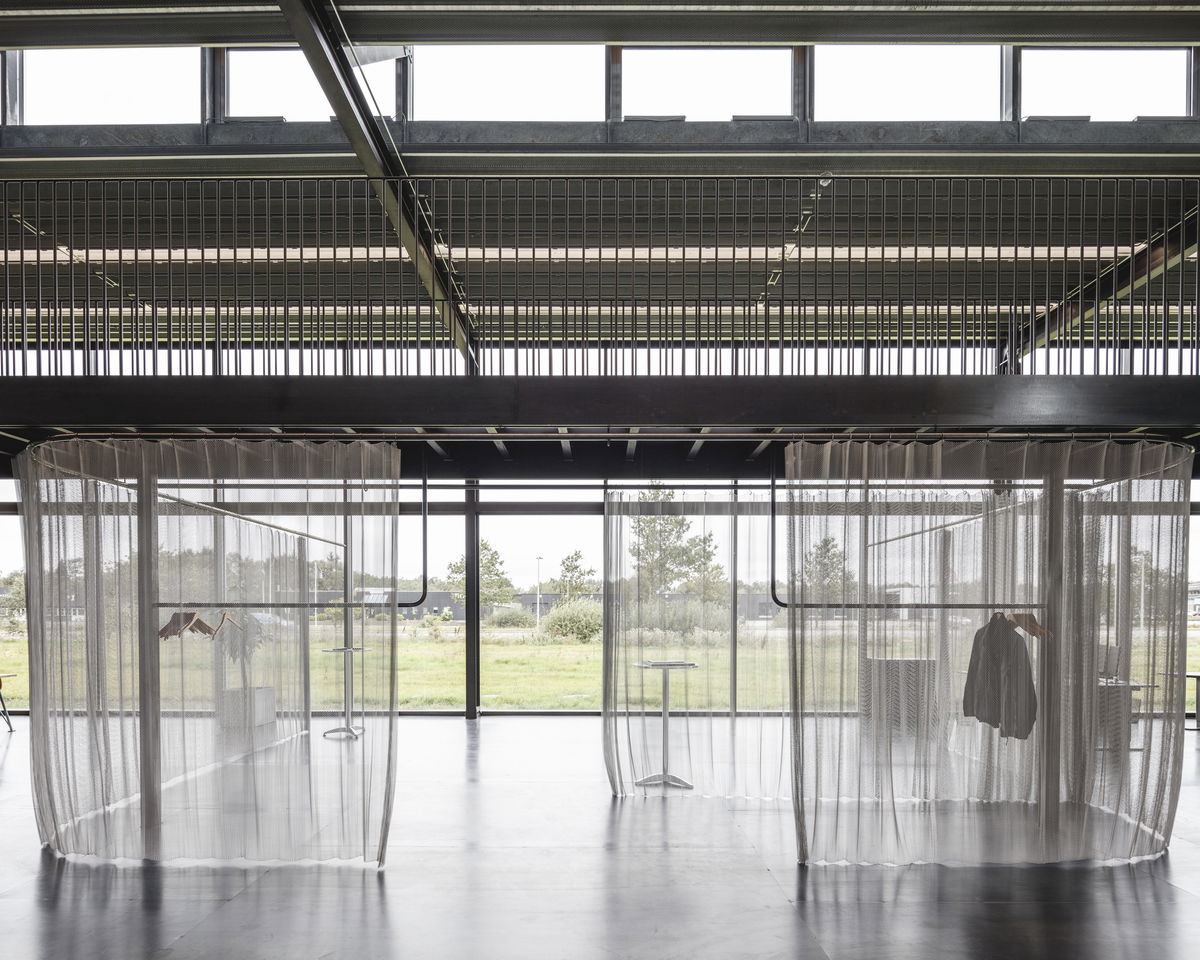
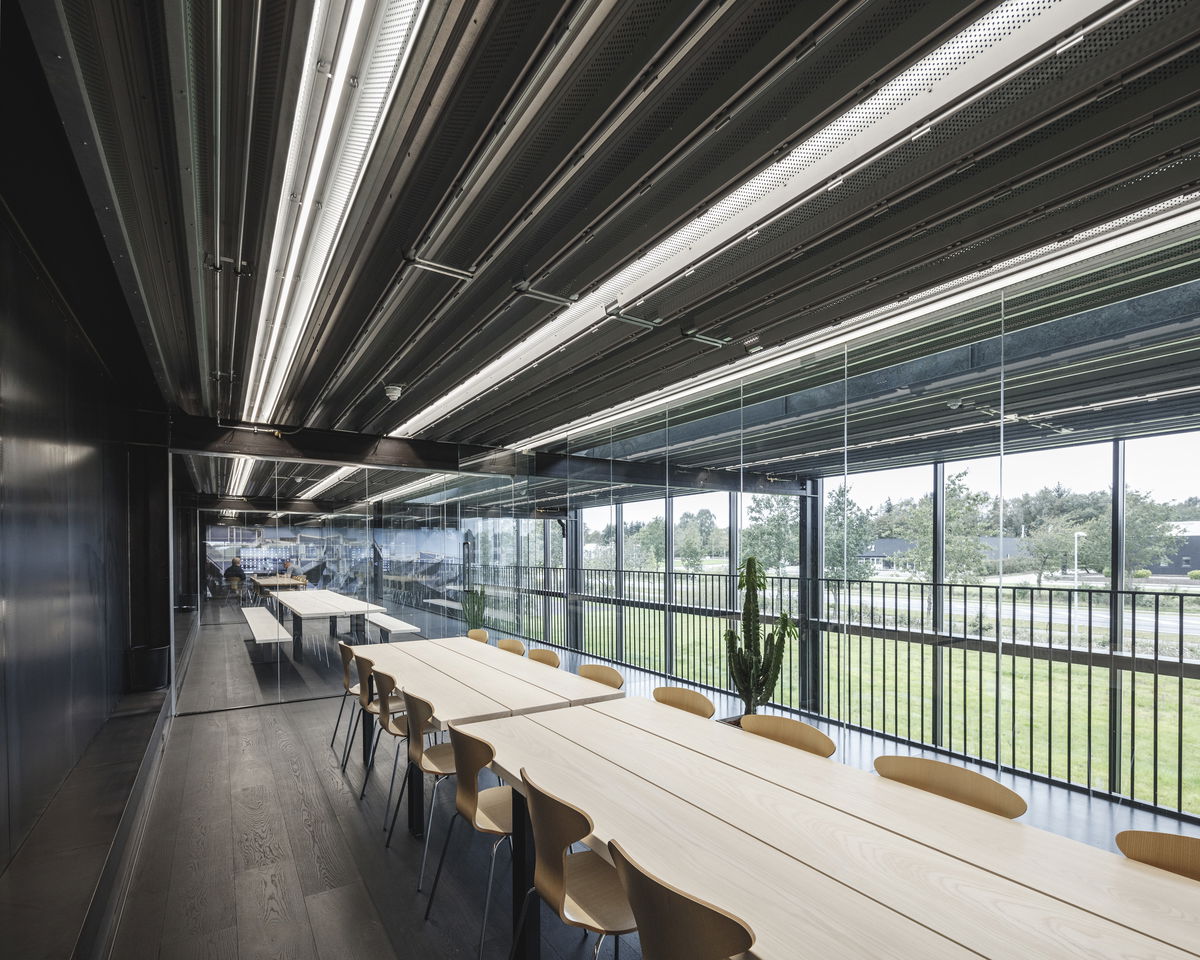
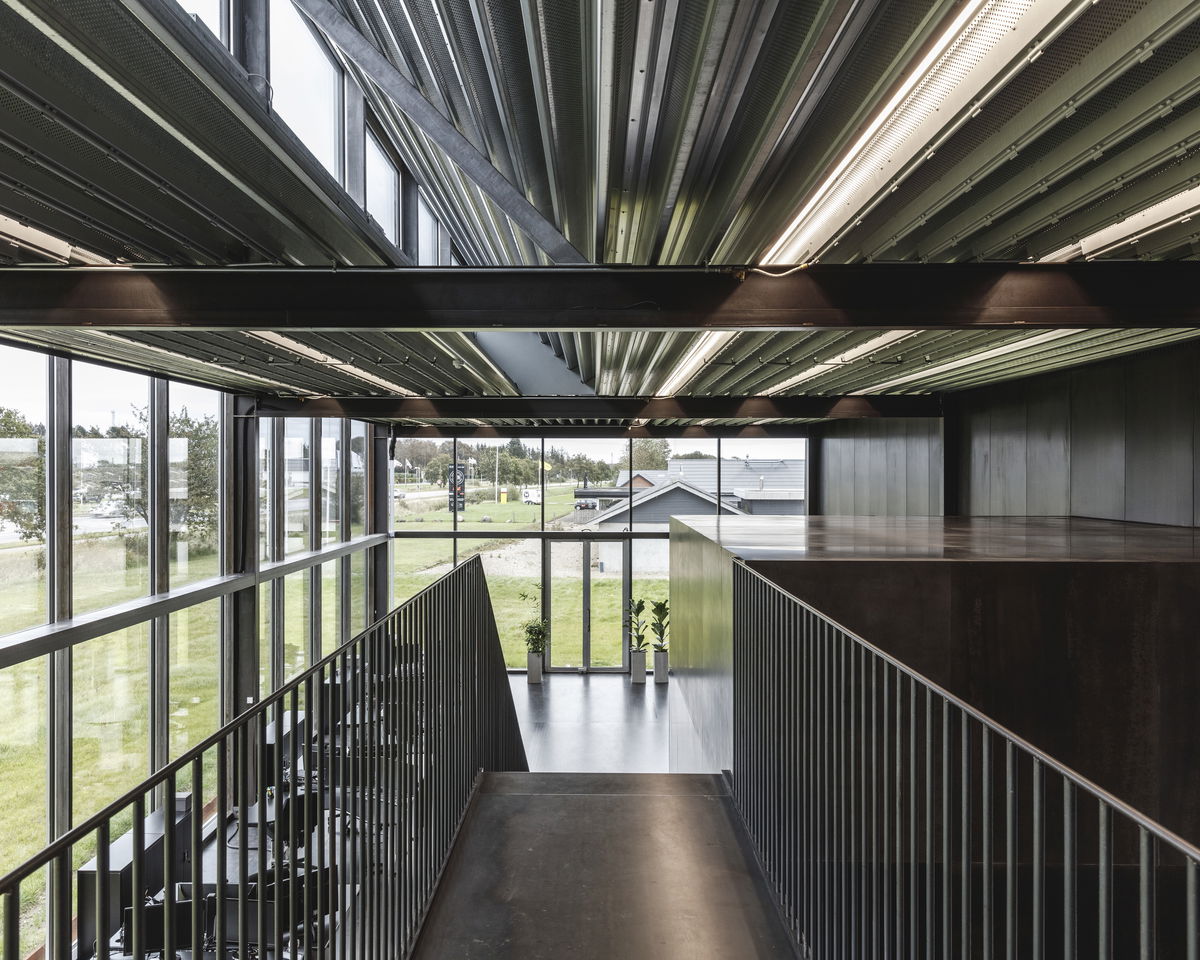
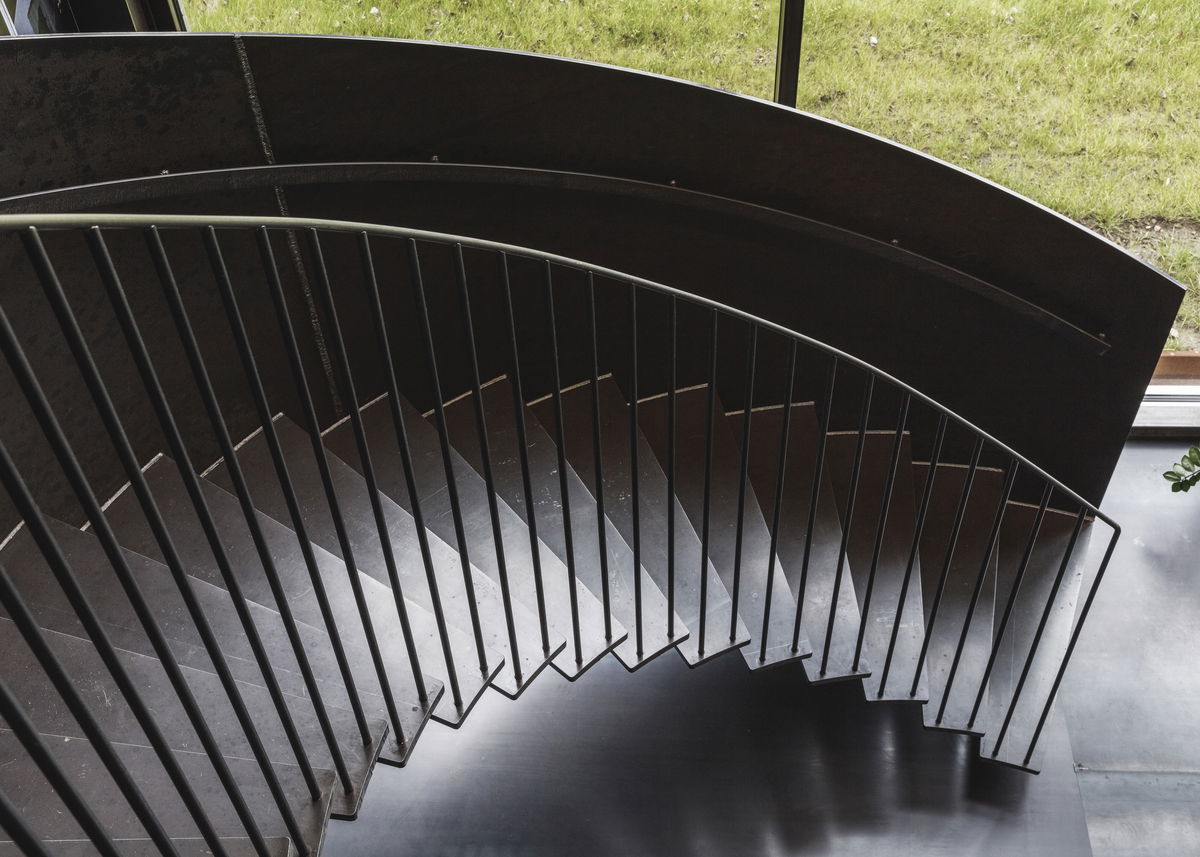
Bridge & Stairs — A bridge is added at the first floor level, linking the top of most of the village, creating spaces for enclosed meeting rooms and open, informal meeting areas.
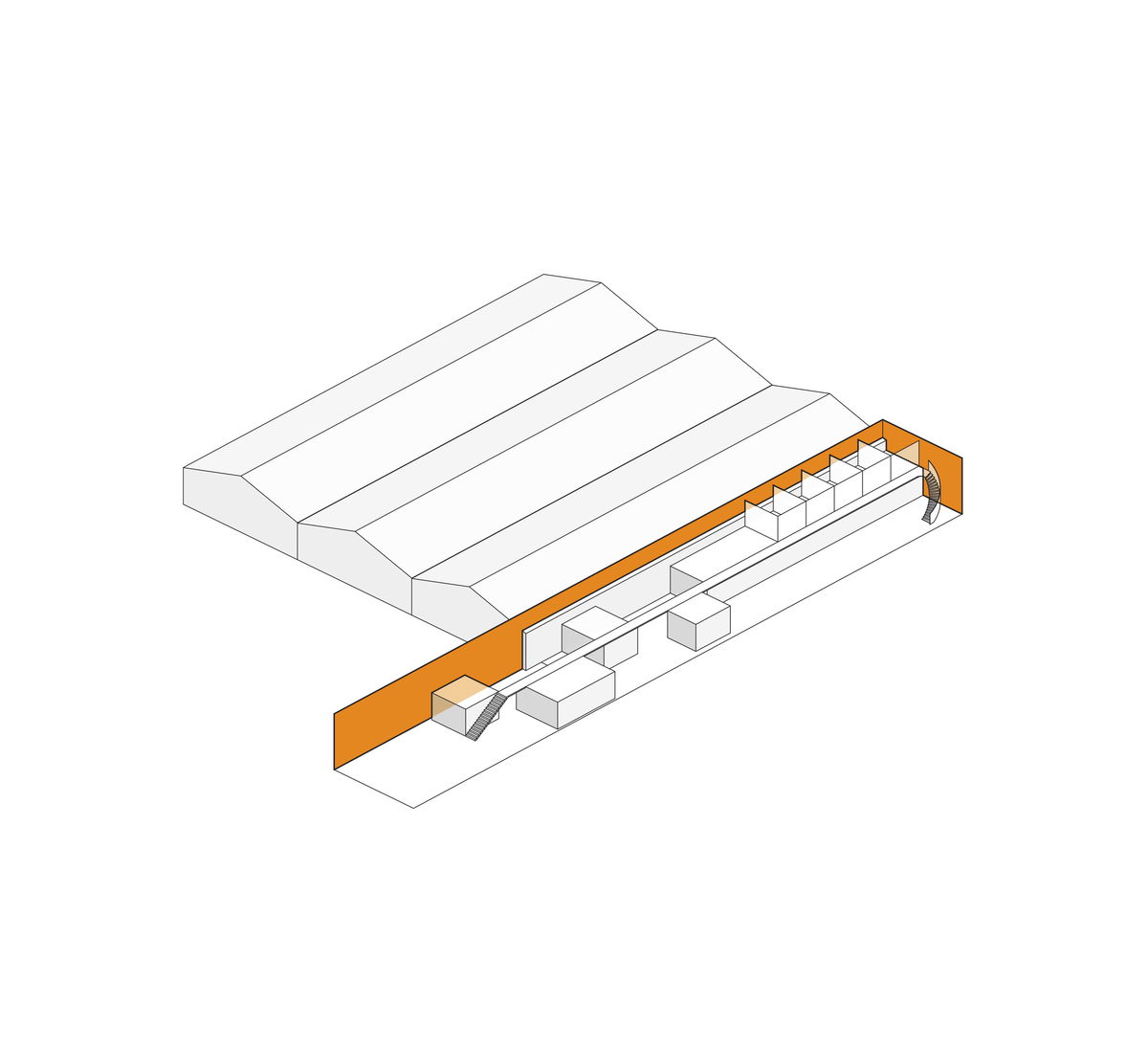
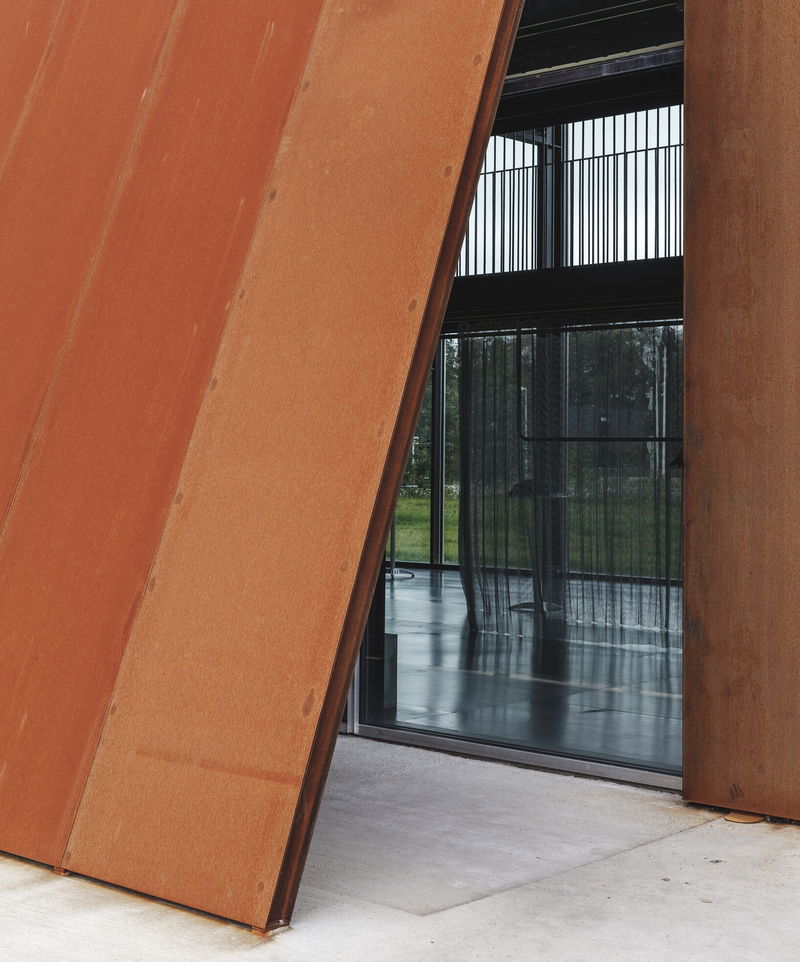
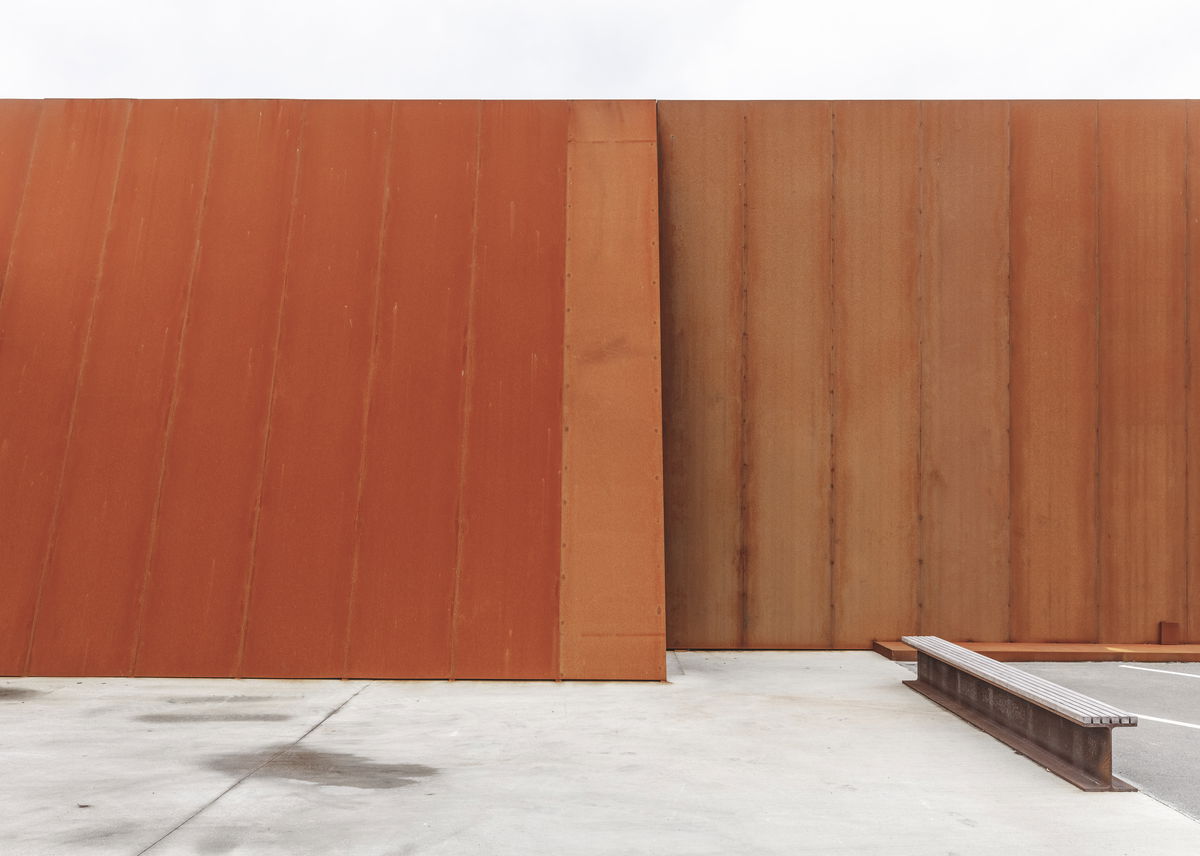
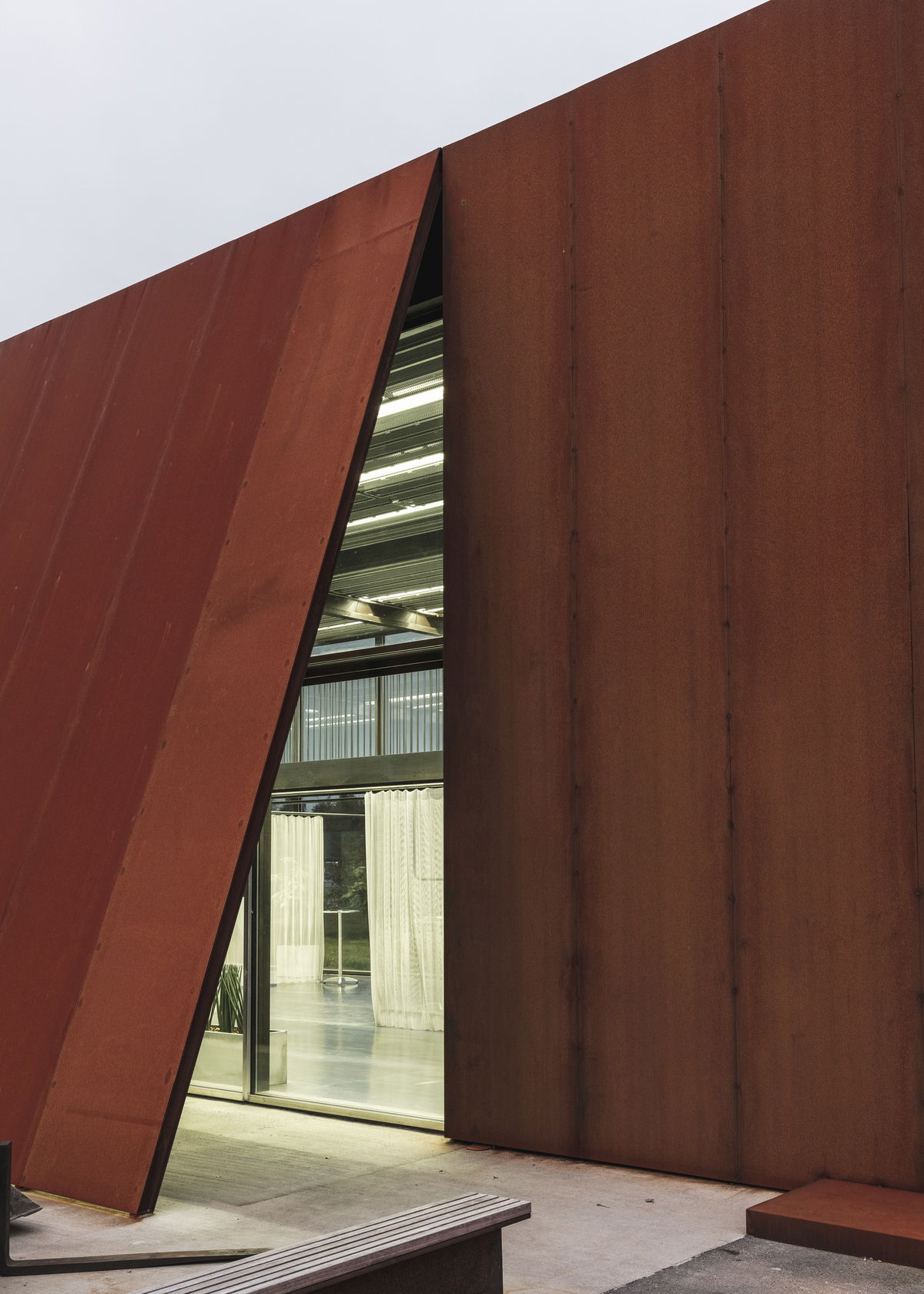
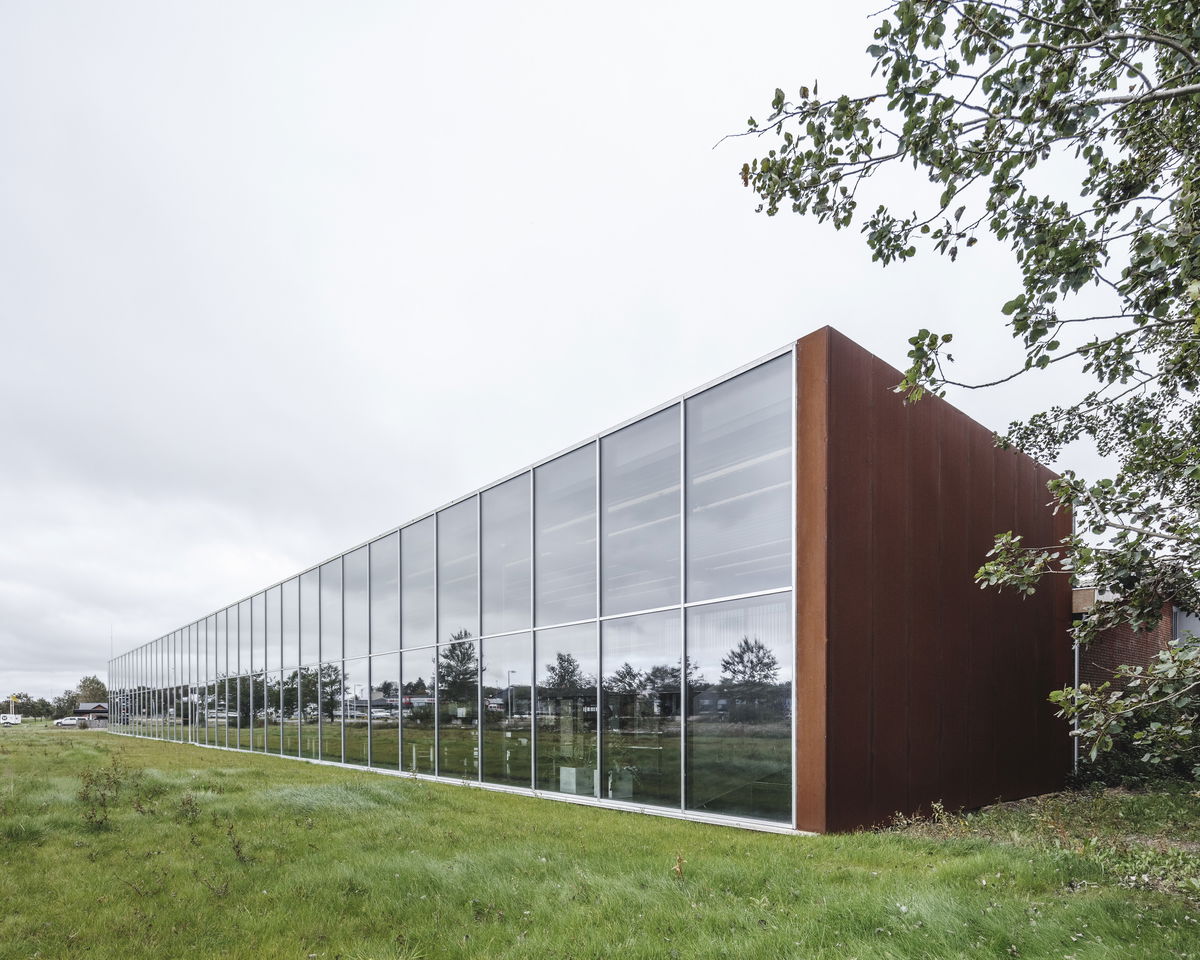
Steel Facade — Towards the south and south and west, the village is wrapped by a largely closed steel façade, reducing direct sunlight in the office areas.
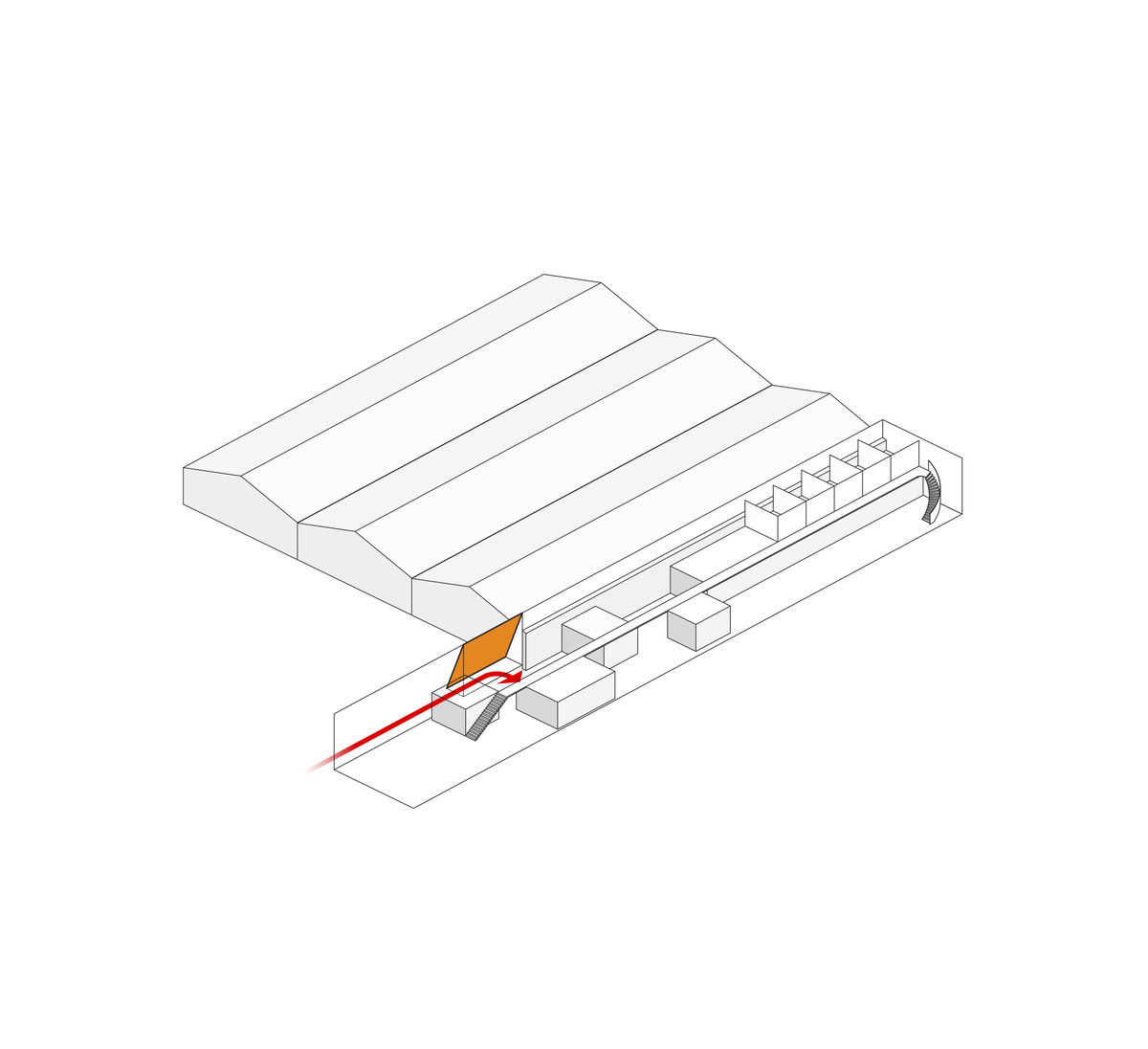
Flip — Part of the steel façade tilts out, revealing the main entrance to the building from the parking lot.
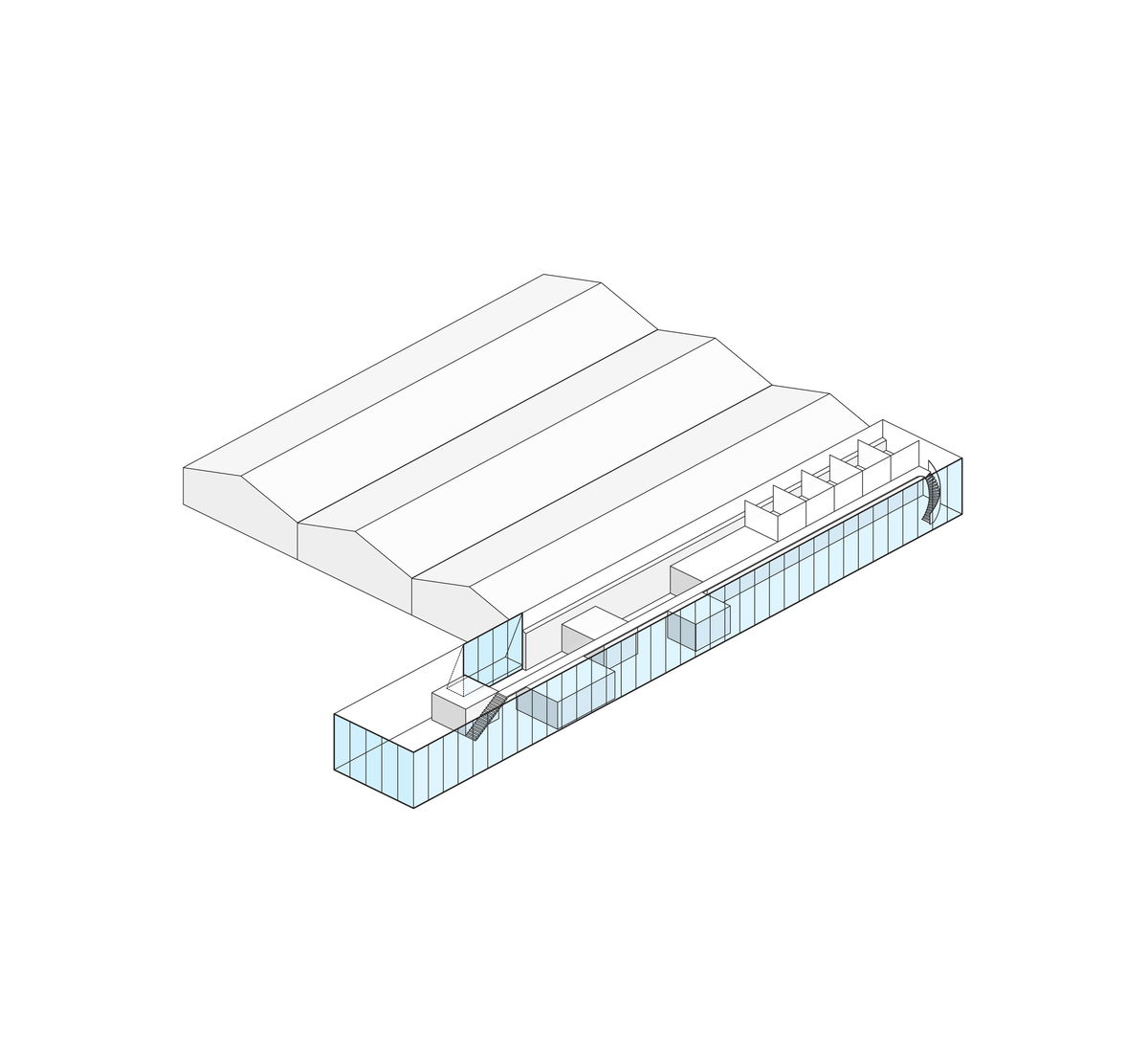
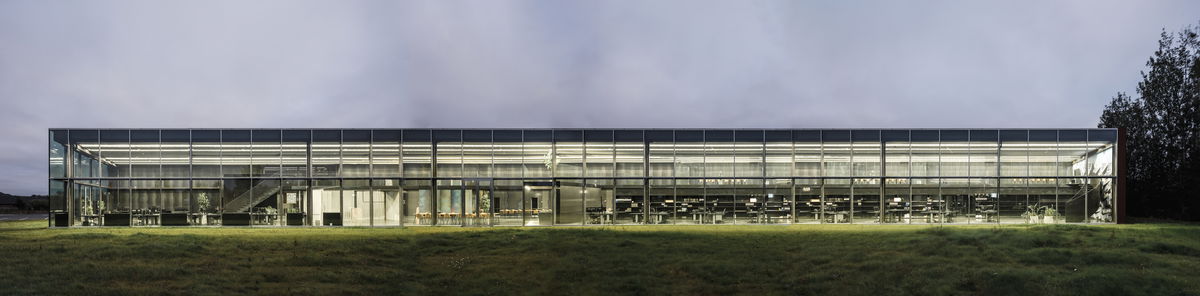
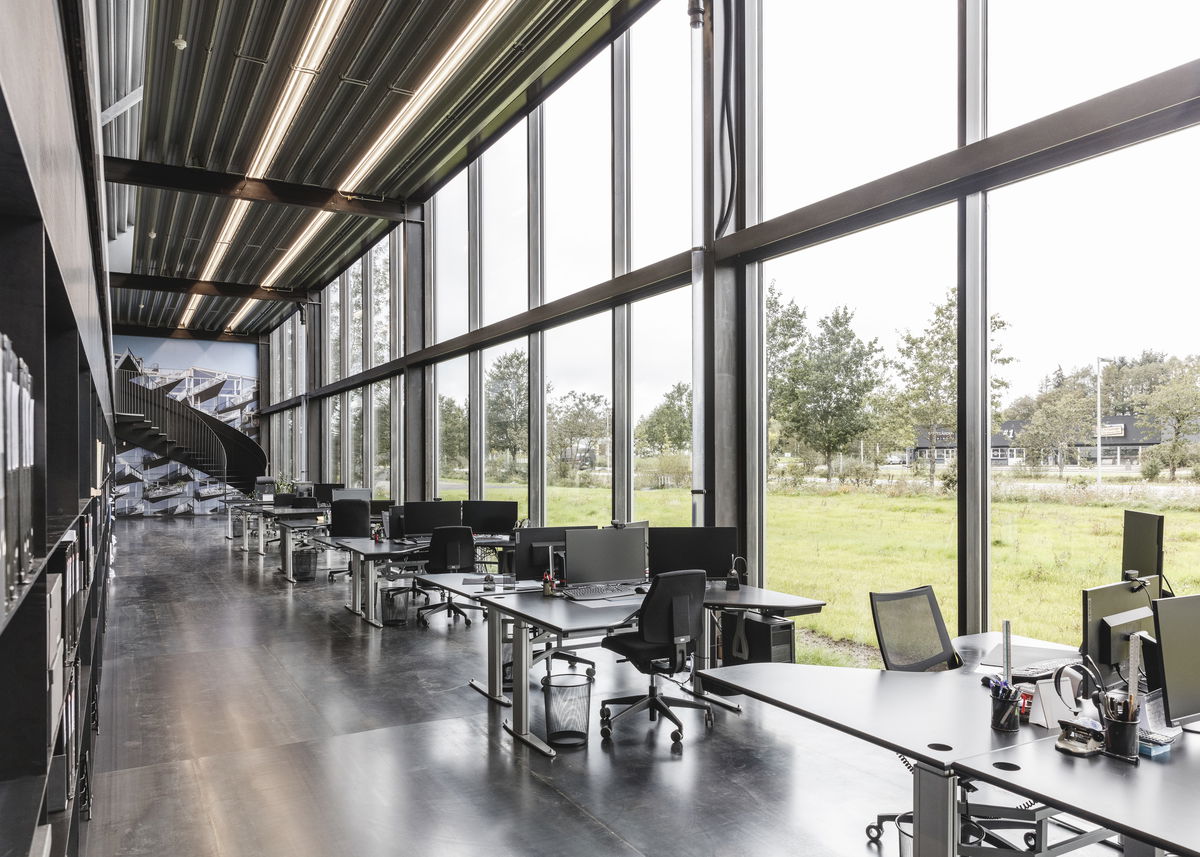
Glass Façade — The north and east side of the building are wrapped with a floor-to-ceiling glass facade, letting lots of diffuse daylight into the office areas.
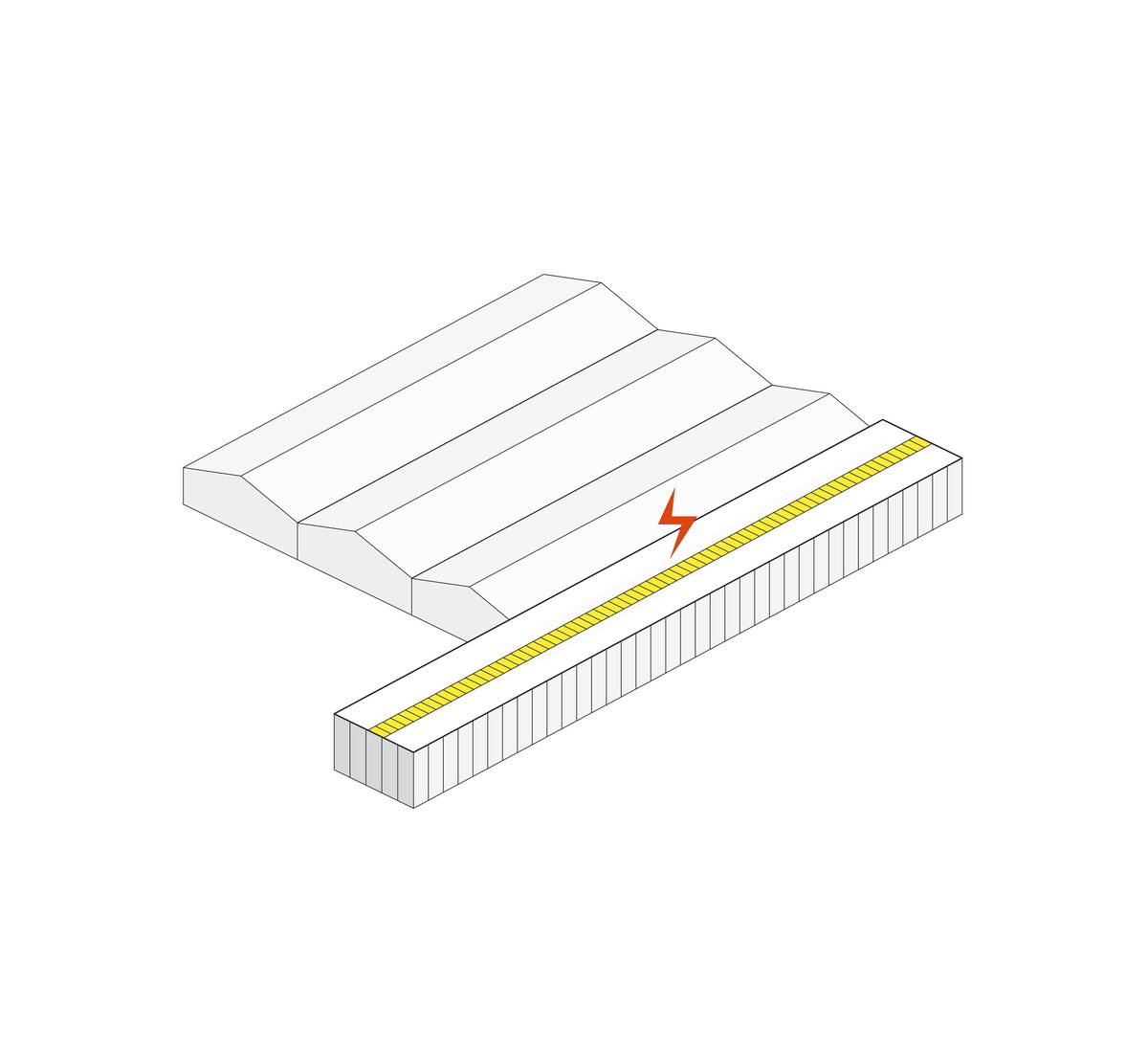
Roof — The middle part of the roof is covered with solar panels.
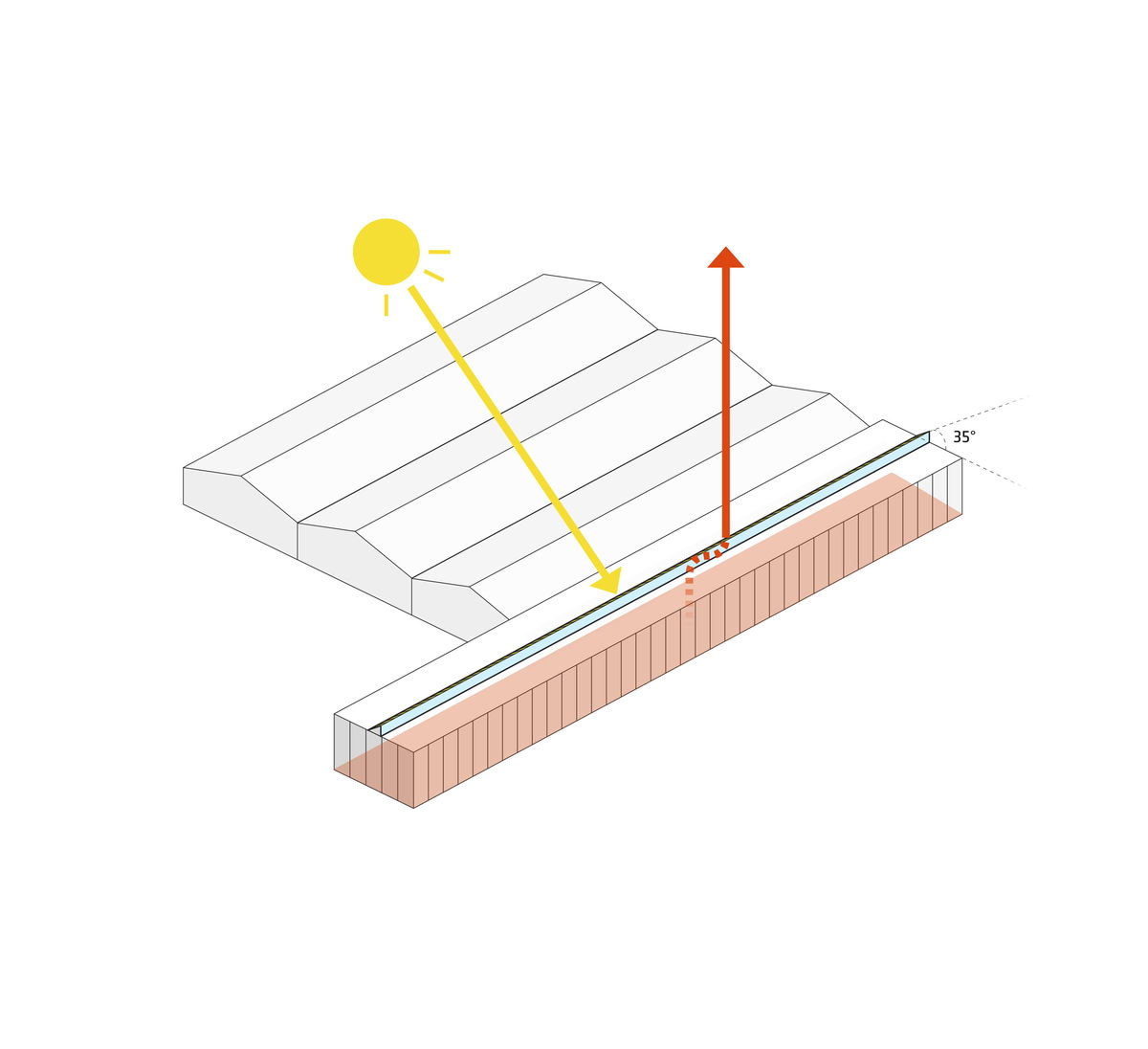
Skylight — The row of solar panels is tilted 35 degrees towards the south to provide optimal orientation towards the sun. Under the solar panels, a long skylight provides natural ventilation and additional diffuse daylight for the office areas.












Partner in Charge
Finn Nørkjær
Ole Elkjær-Larsen
Project Leader
Frederik Lyng
Collaborators
HB Trapper