
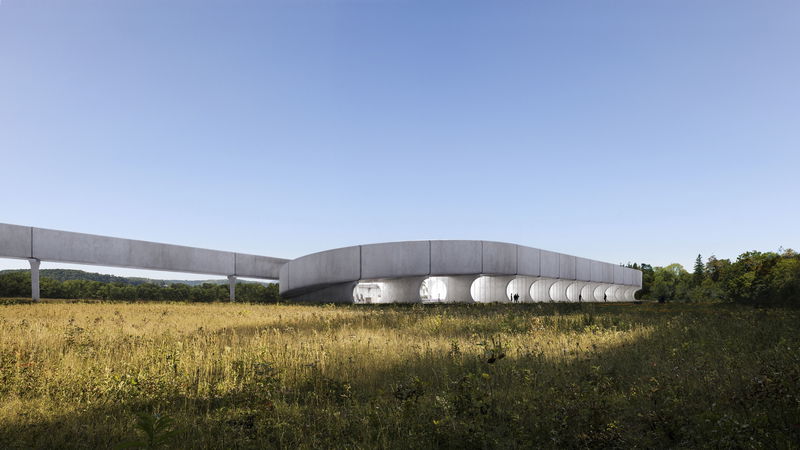

Hyperloop Certification Center
Tucker and Grant Counties, United States
Client
Virgin Hyperloop
Typology
Infrastructure
Status
Idea

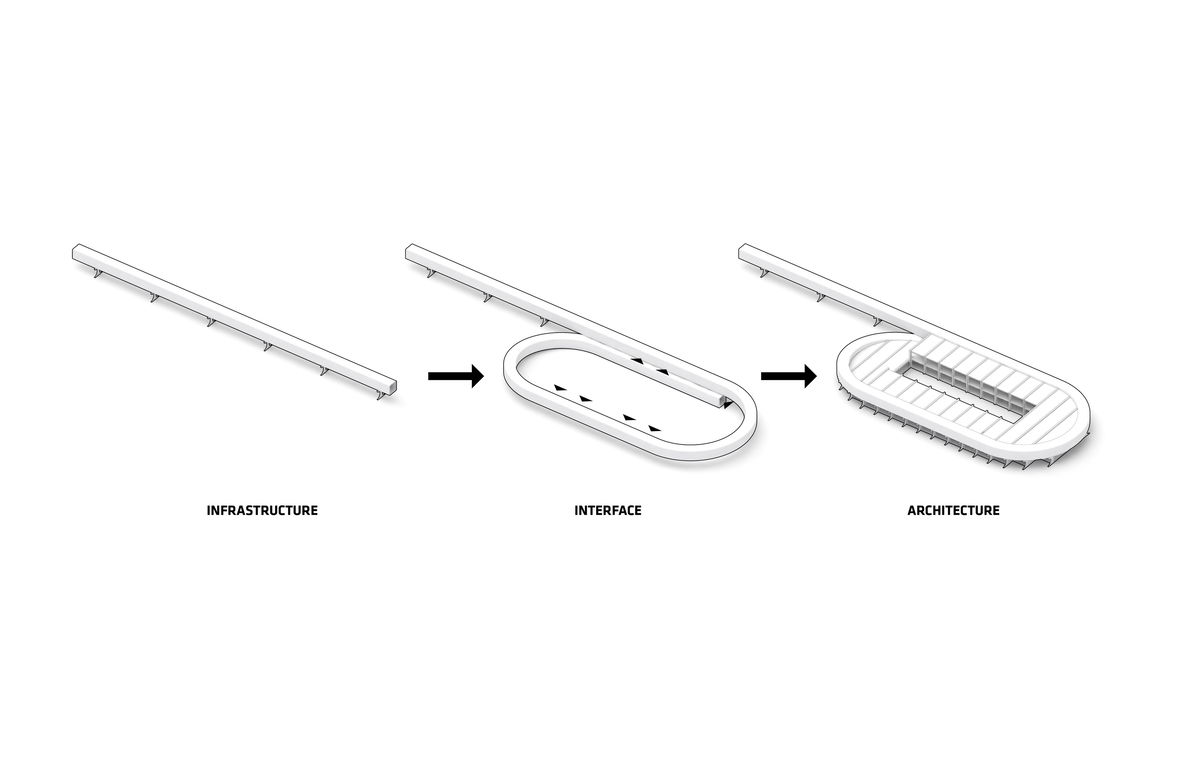
INFRASTRUCTURE + INTERFACE + ARCHITECTURE
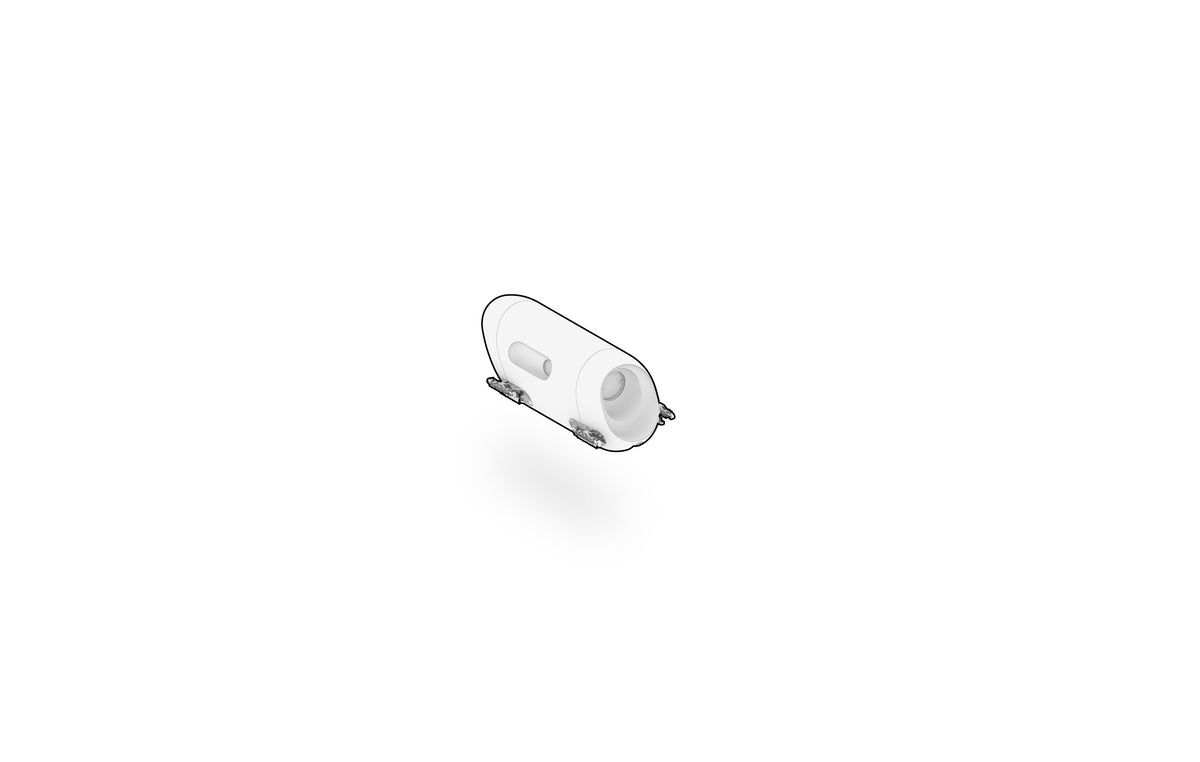
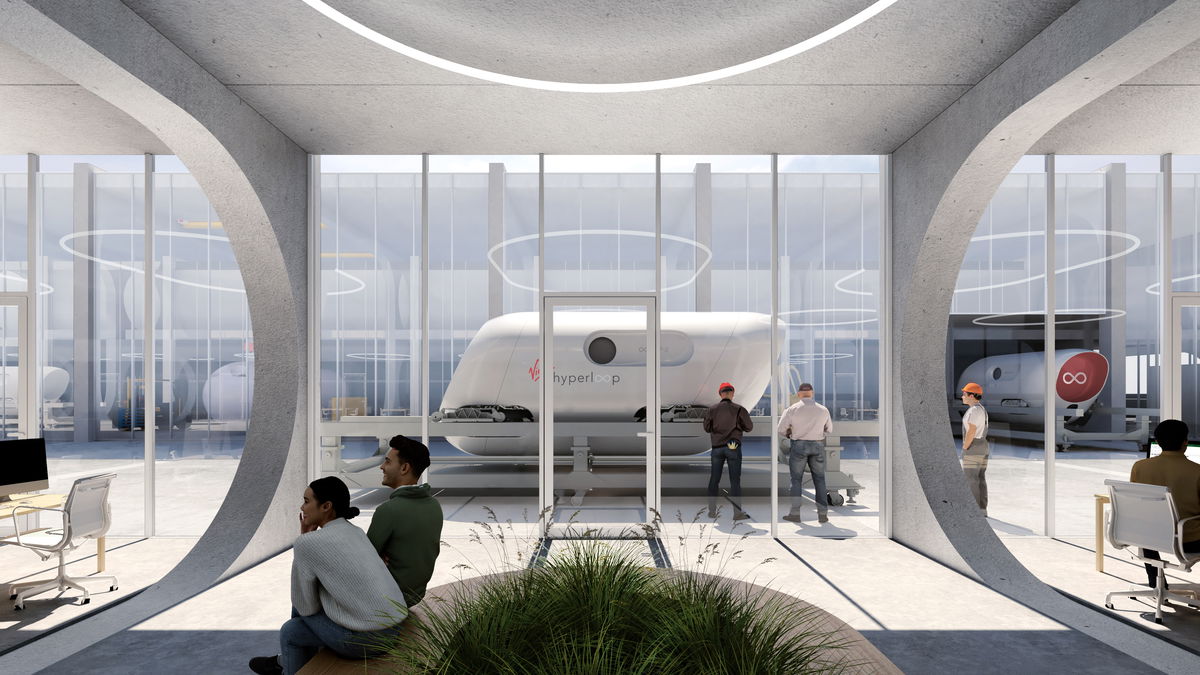
Passenger Pod — The Hyperloop passenger pod is the first of its kind and will redefine the way we travel. Therefore it must go through a rigorous testing and approval process to define safety protocols and refine the operation.
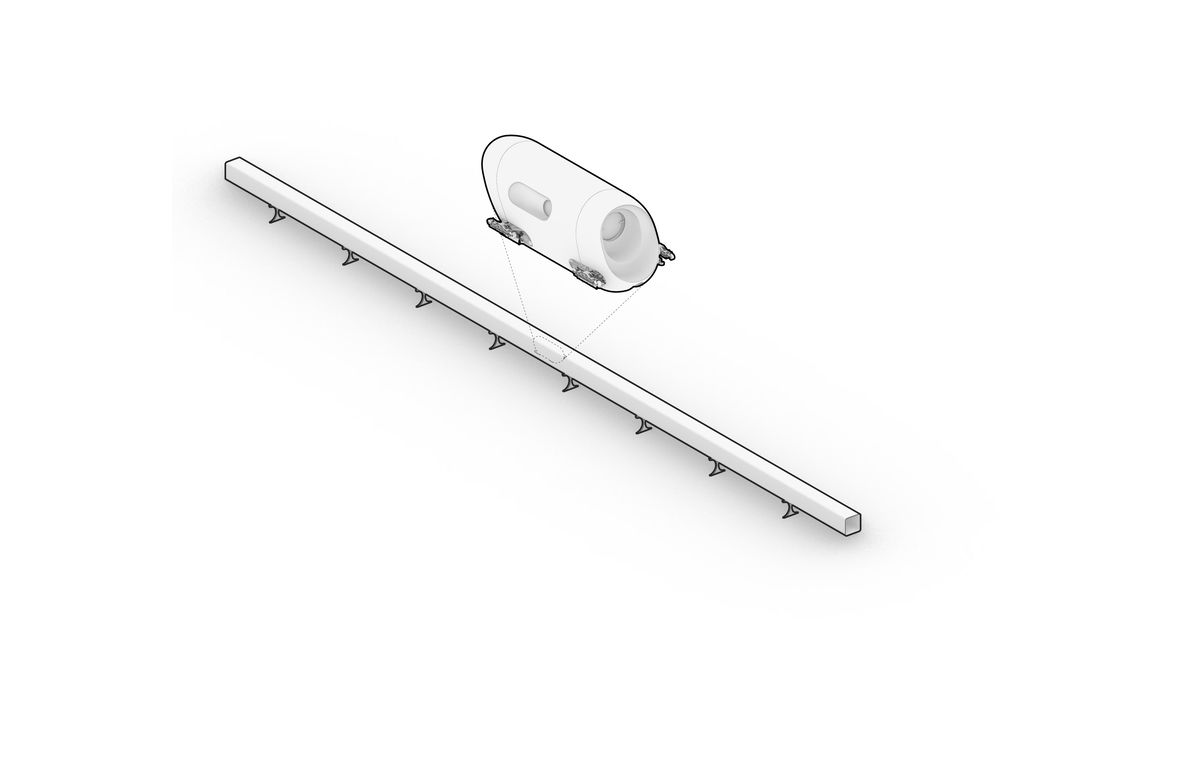
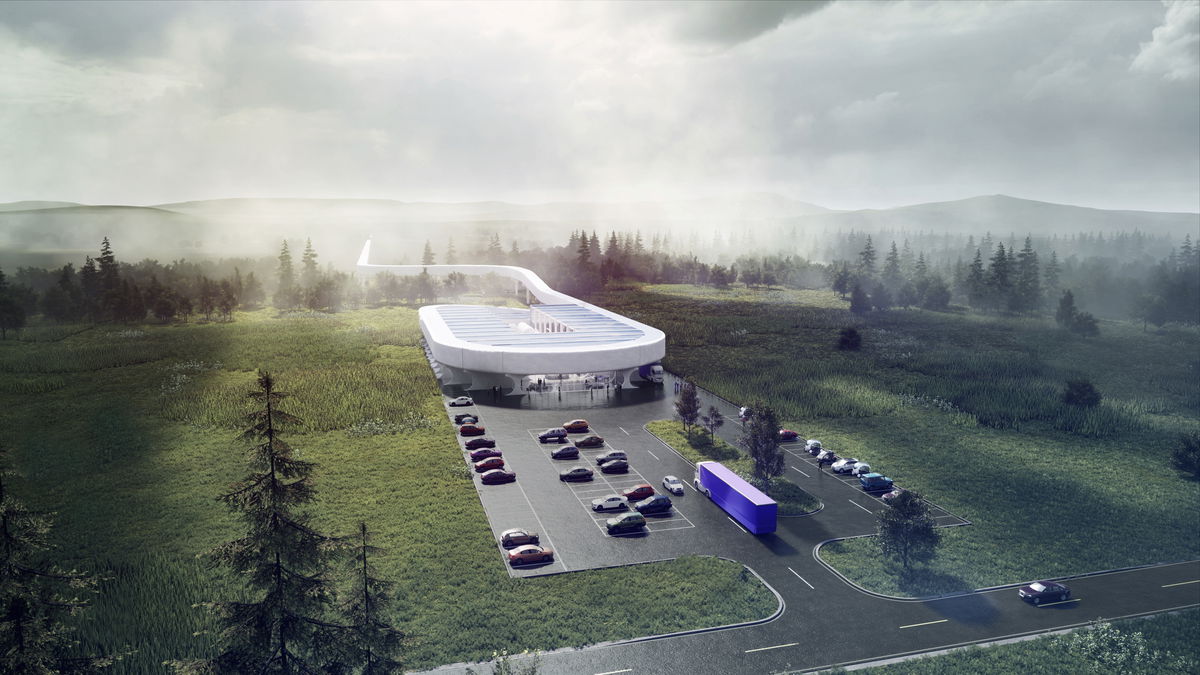
Vacuum Tube — The main infrastructure of the HCC is an approximately six mile-long tube that can maintain the low pressure environment needed.
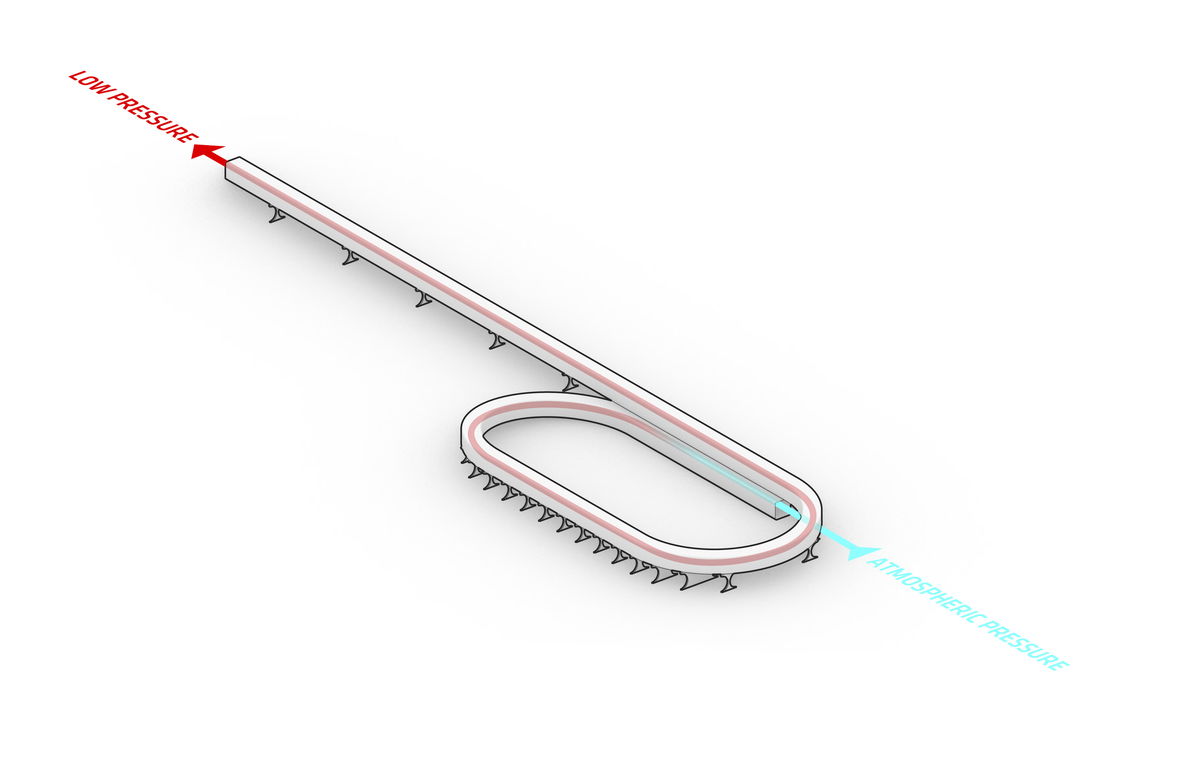
Interface — HCC is connected to one of the ends of the tube where pods can enter and leave through an airlock. This also offers the opportunity to simulate and test the passenger interface of the commercial system, where people can enter and leave the pod while it remains in the low pressure tube.

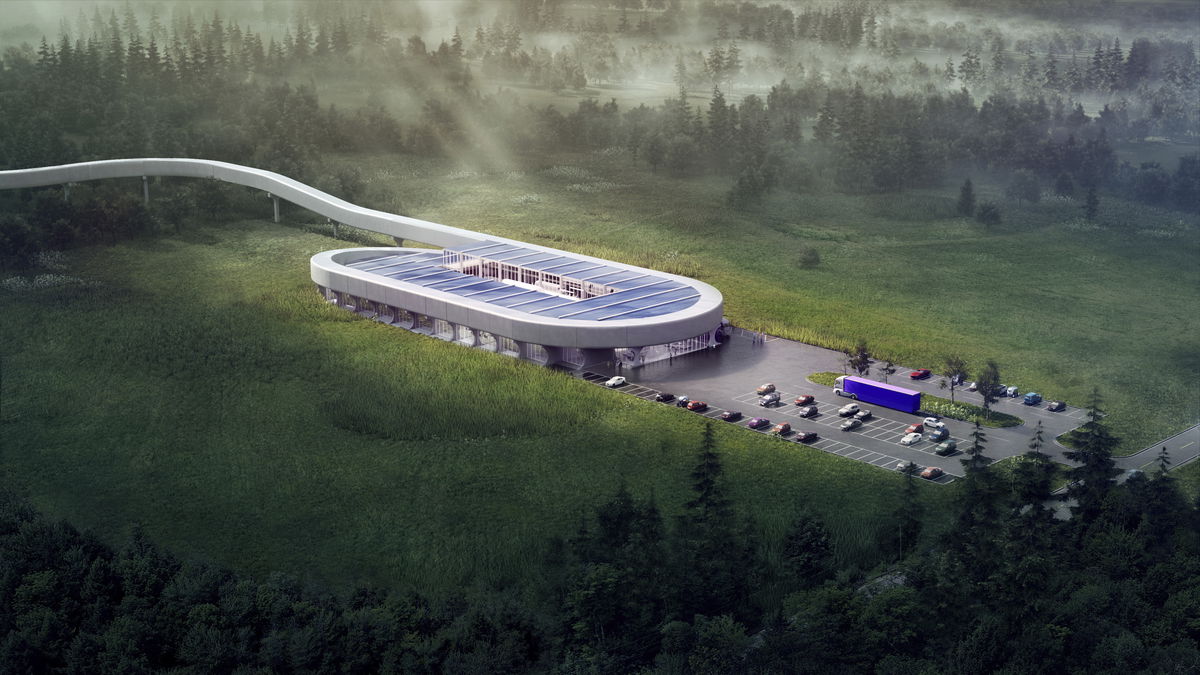
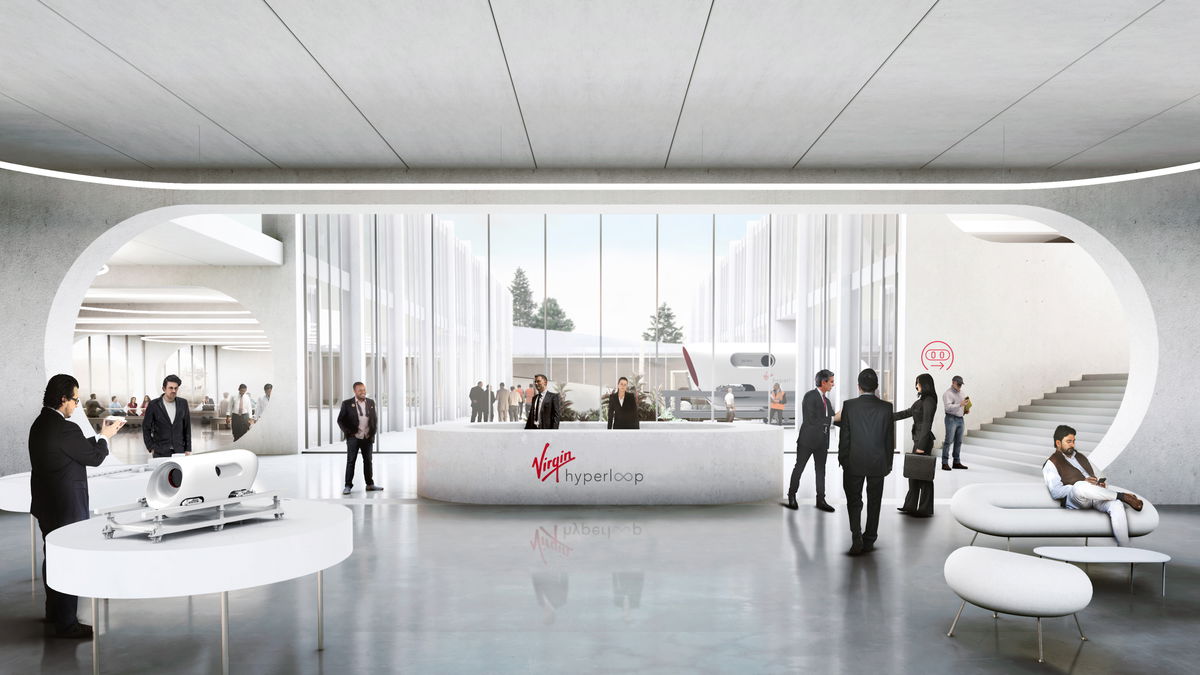
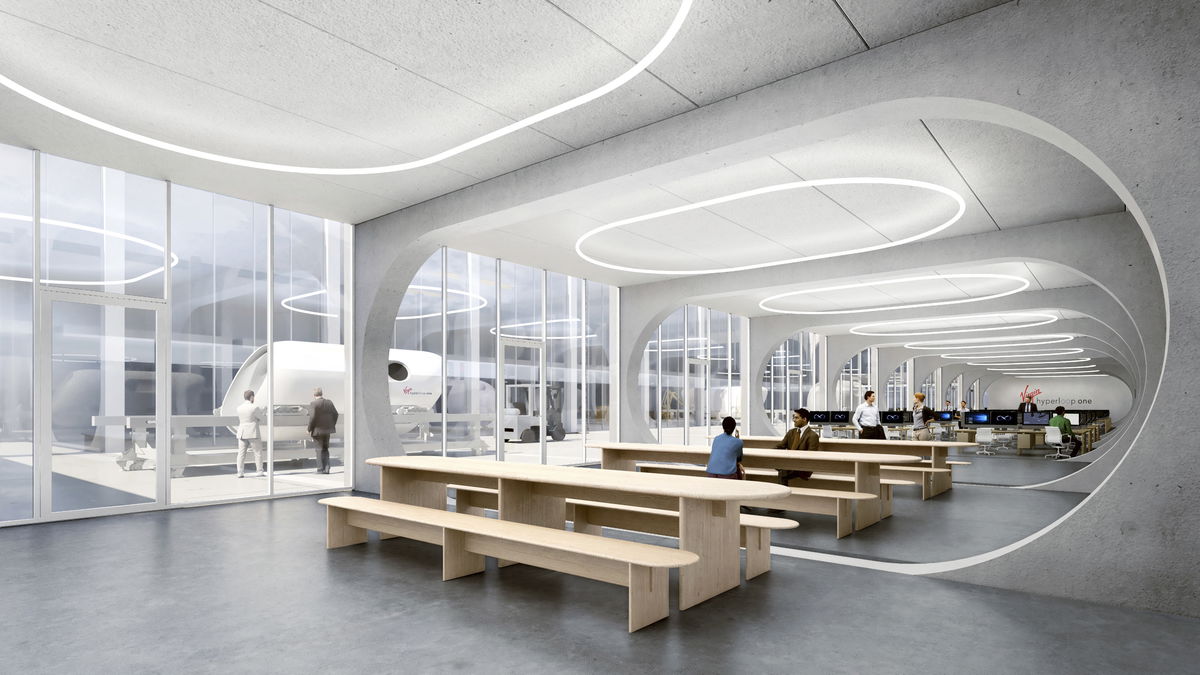
Program — Other than the infrastructure and interface, the facility will include a welcome center, pod final assembly facility, product development test center, and training center for operations, safety, and maintenance.
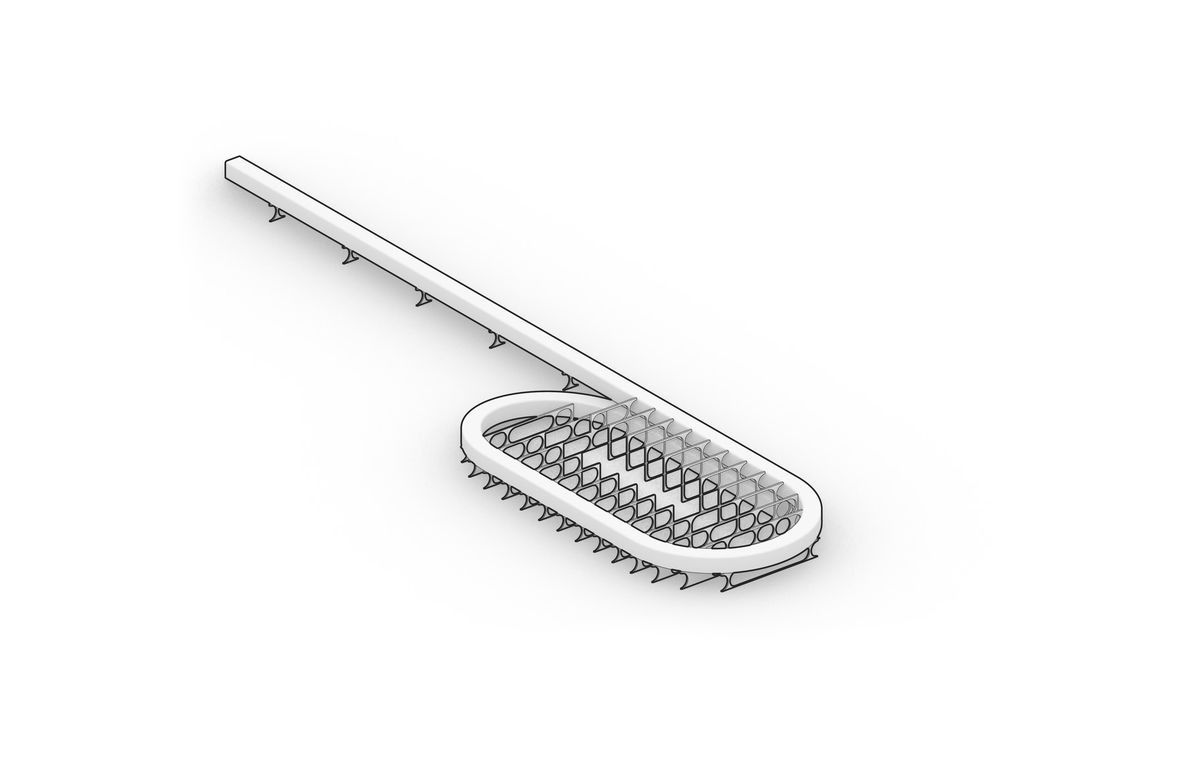
Structure — The main structural system for the building is shared with the vacuum tube. For greater lateral stability, the corners have been reinforced with a radius on top and bottom, and frames with pill-shaped cutouts.
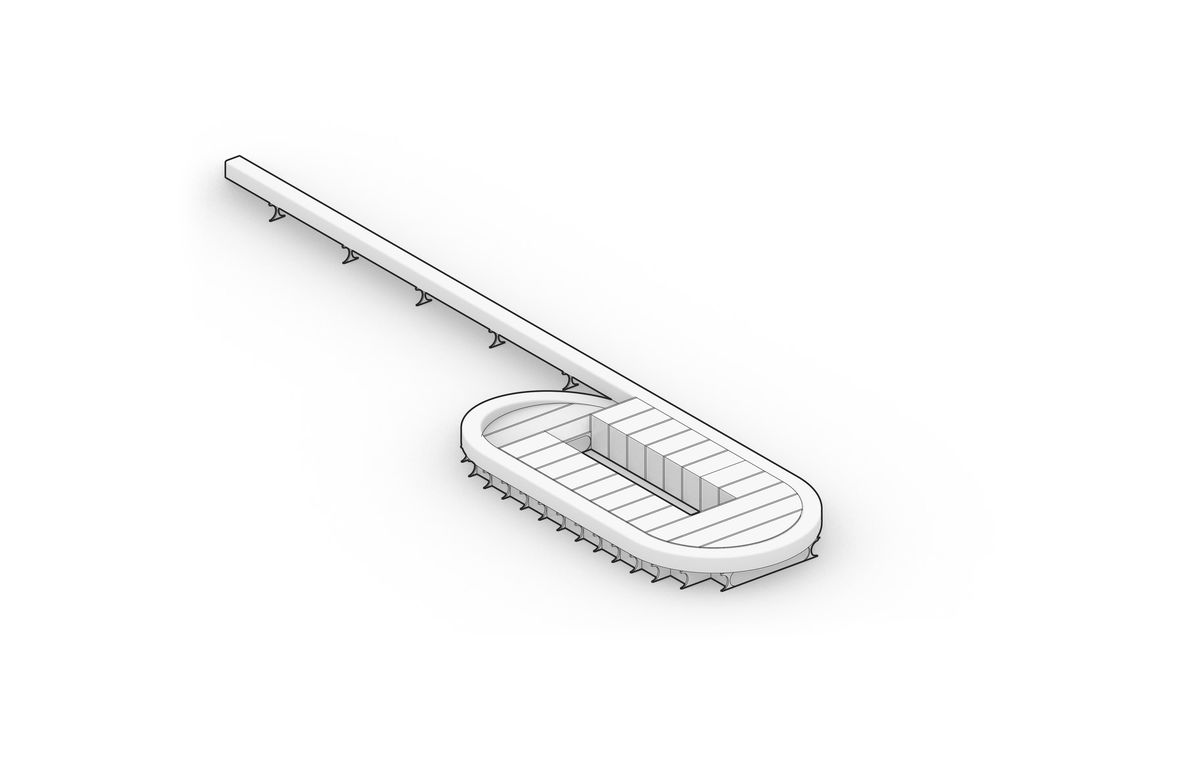
Enclosure — By adding a flat roof and simple glass facade enclosure between the frames, the enclosure in plan becomes a rational and modular low-res version of the tube's curved radius.
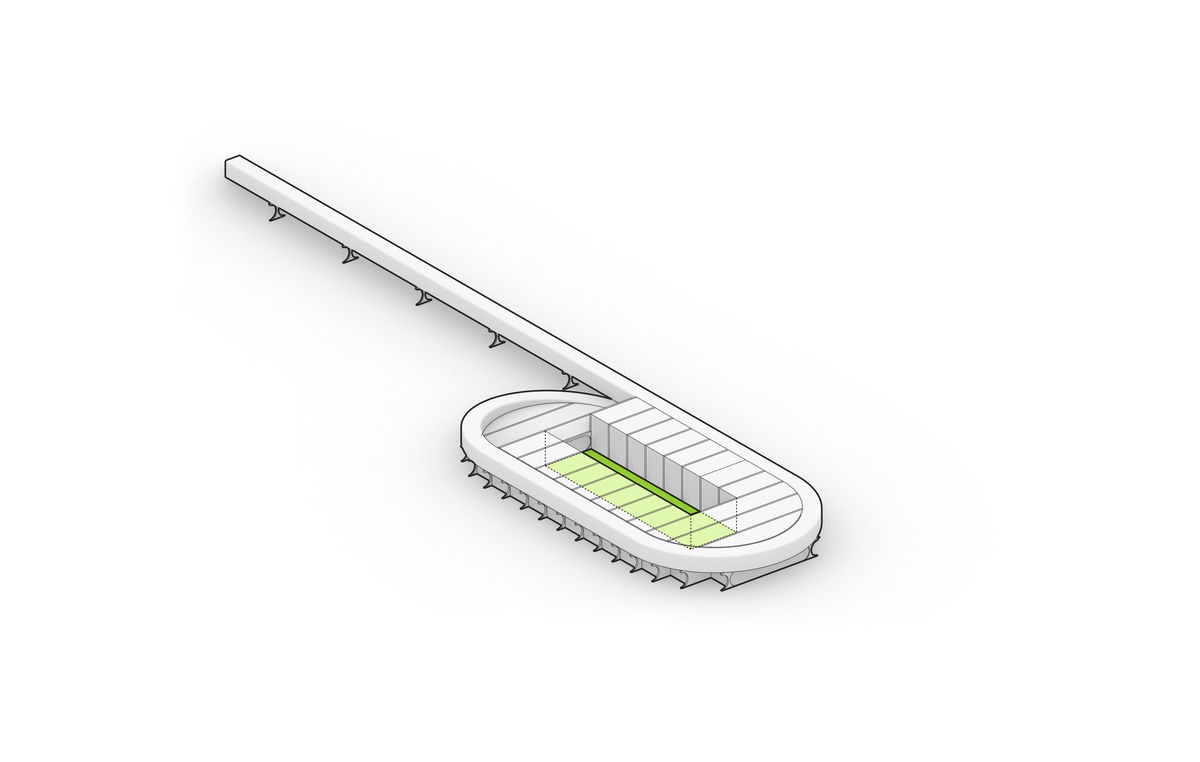
Courtyard — A courtyard in the center of the facility provides daylight to all of the program while maintaining visual connectivity. It can be used for test set-ups, staging, large gatherings and as social space for the staff, similar to Virgin Hyperloop's LA campus.




Partner in Charge
Bjarke Ingels
Jakob Lange
Project Manager
Sören Grünert
Project Team
Anton Bashkaev
Gary Polk
Izabella Banas
Kelly Neill
Max Moriyama
Mengzhu Jiang
Nicolas Lapierre
Nojan Adami
Ravina Puri
Shane Dalke
Thomas McMurtrie
Tracy Sodder