
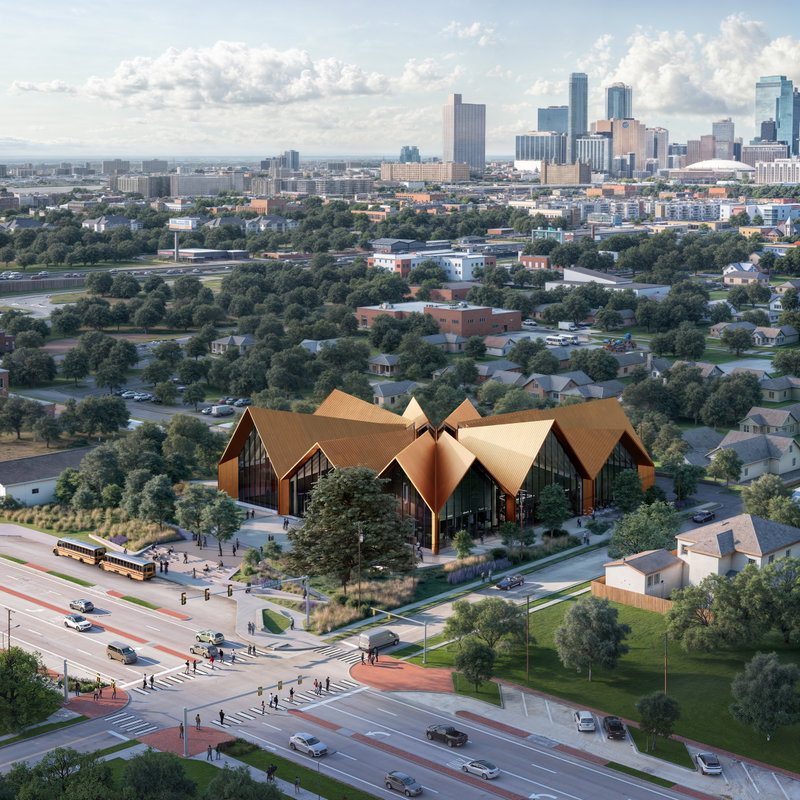

National Juneteenth Museum
Fort Worth, United States
Client
Juneteenth Museum
Typology
Culture
Size m2/ft2
7061 / 72,000
Status
In Design
“Seeing the national museum moving forward is a dream fulfilled. I’ve had a little Juneteenth Museum in that very spot for almost 20 years, and to see it become a central place for discussion, collaboration, and learning seems to be the providential next step – from my walking campaign to Washington, D.C., the petition, and having Juneteenth declared a federal holiday. It’s mind-boggling, but I’m glad to see it all come to pass.”Dr. Opal Lee - Founding Board Member, National Juneteenth Museum



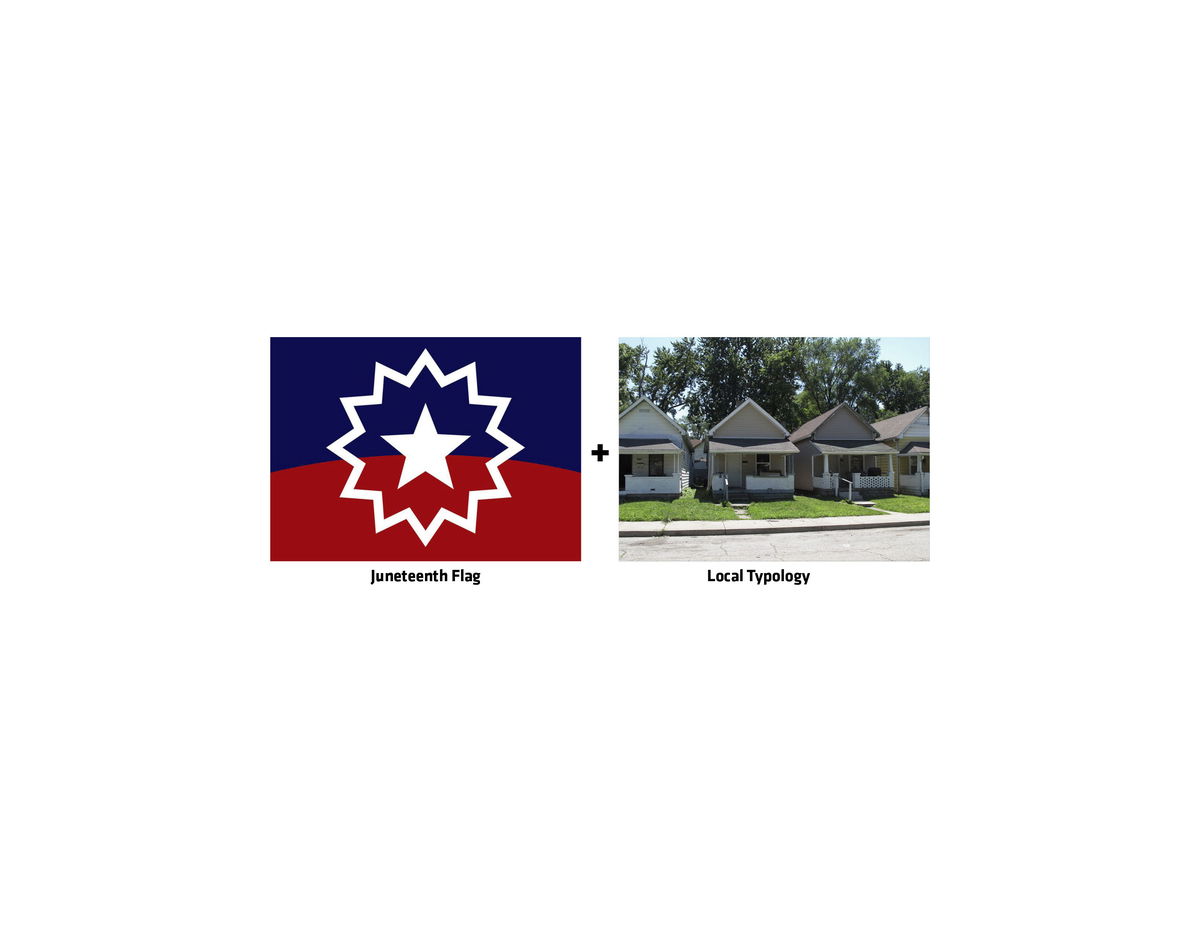
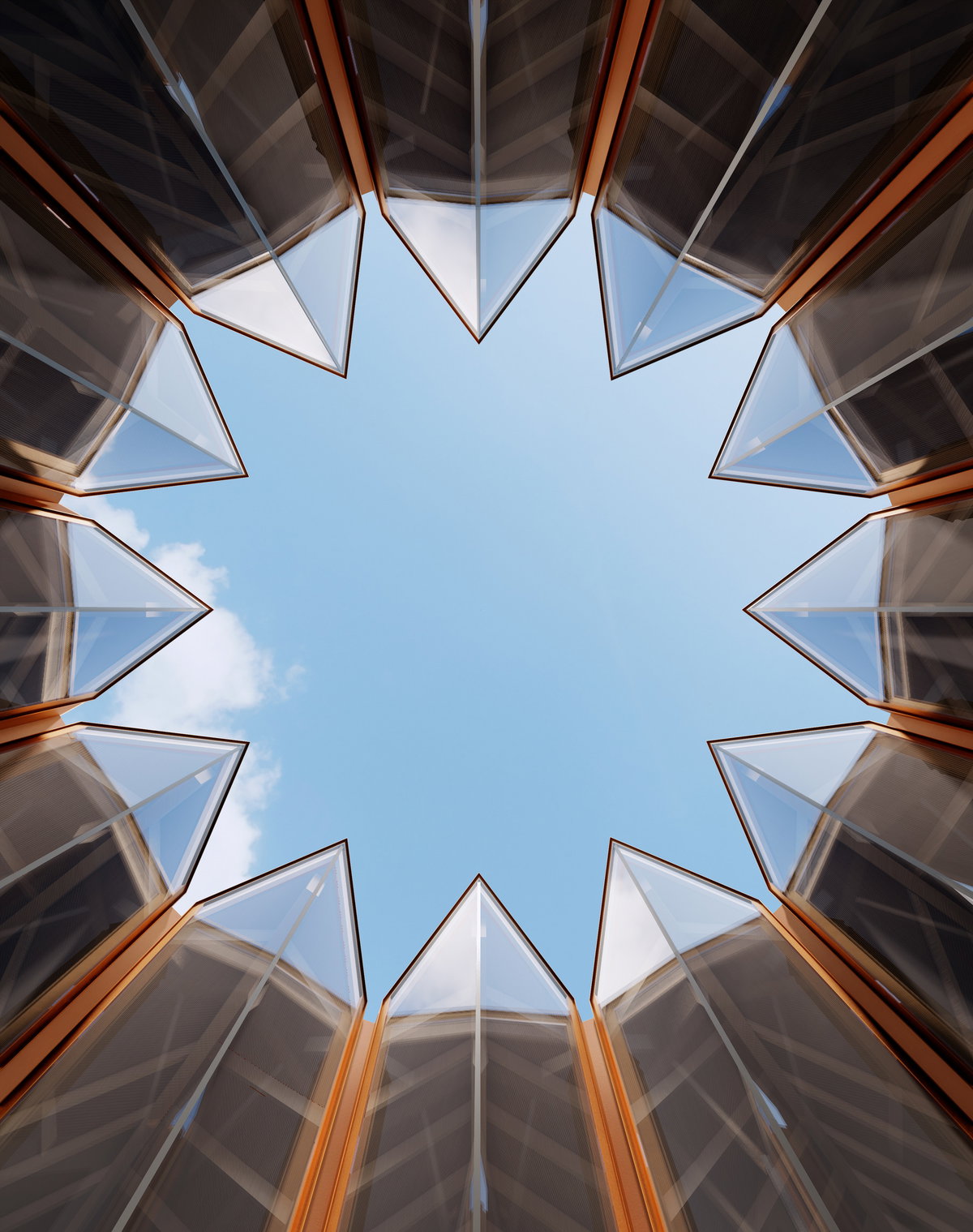
SYMBOLIC VERNACULAR — The Juneteenth Flag consists of four symbolic elements: the star in the center, representing the Lone Star State - the final state to enforce freedom for all; the Nova, bursting around the star, symbolizing a new beginning for African Americans; the arc, which represents a new horizon of opportunities and promise; and the colors of red, white, and blue, which are a reminder that enslaved people and their descendants were and are Americans.
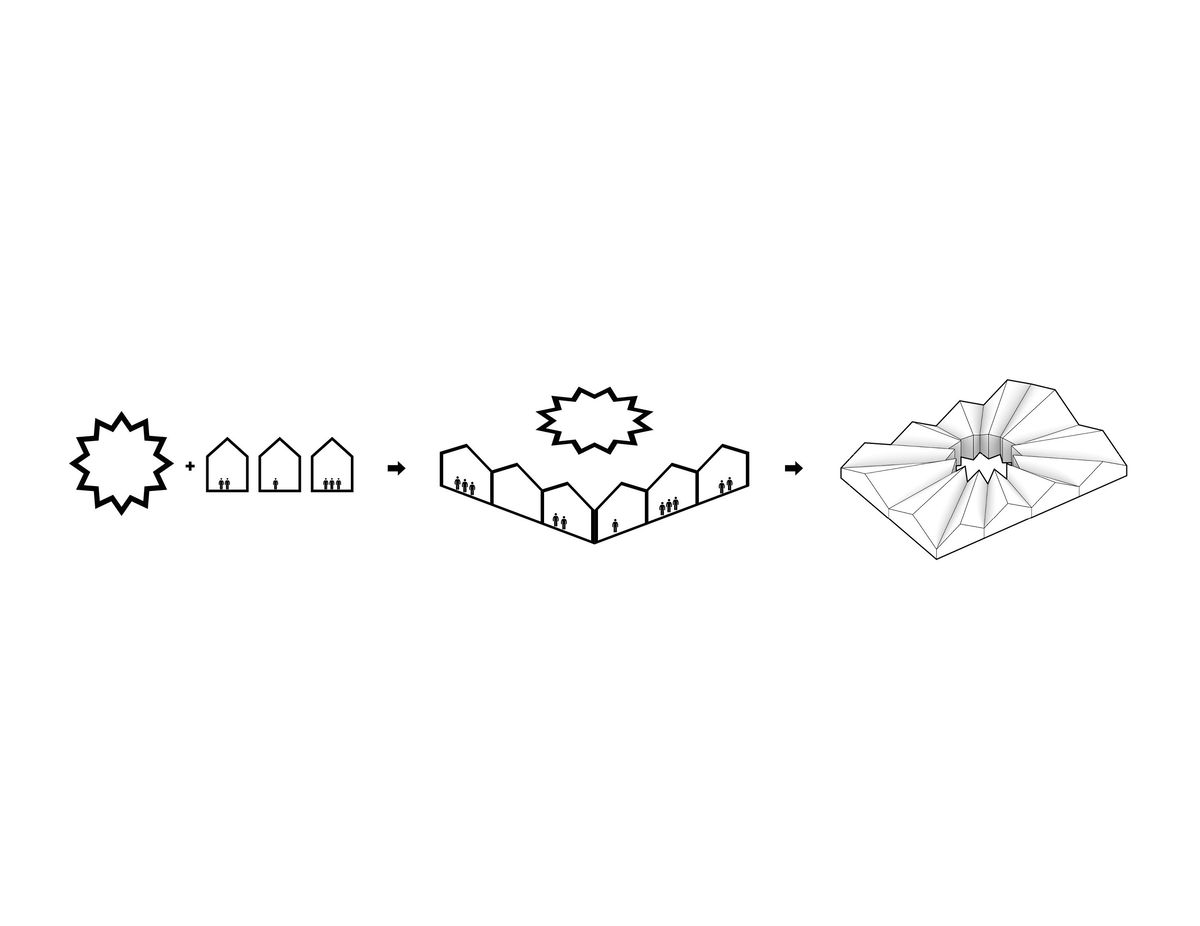
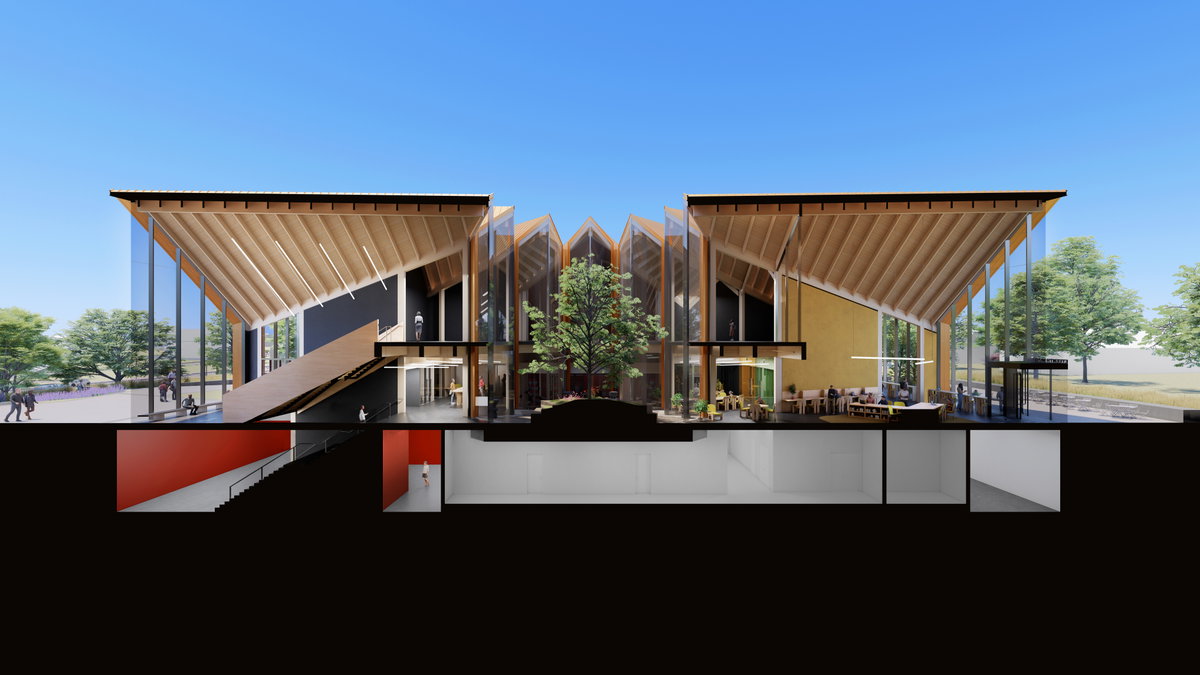
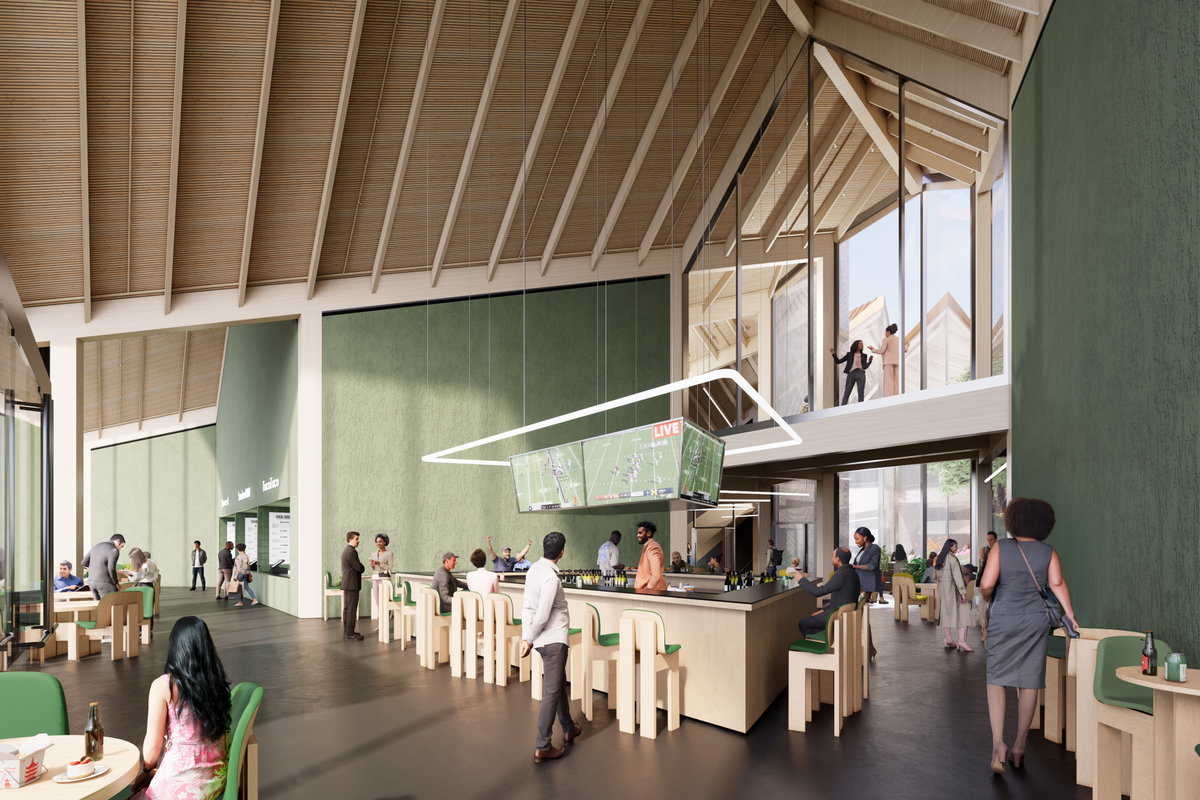
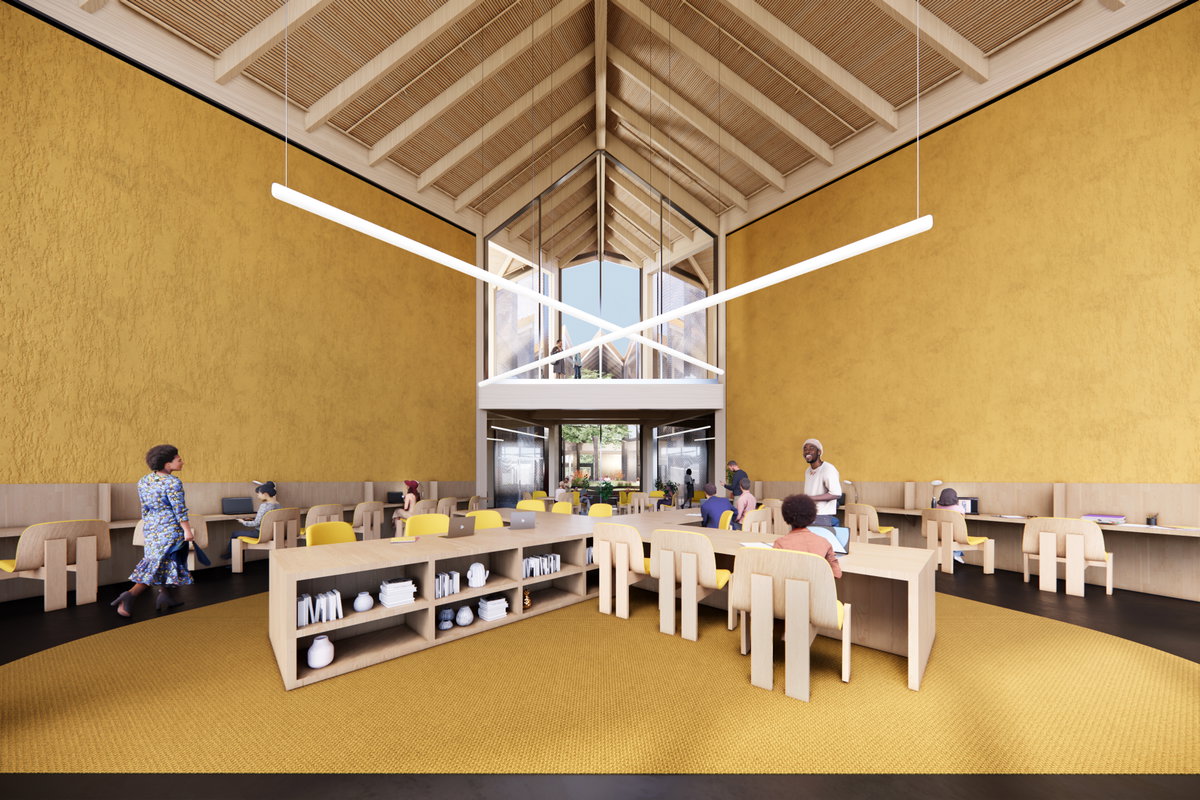
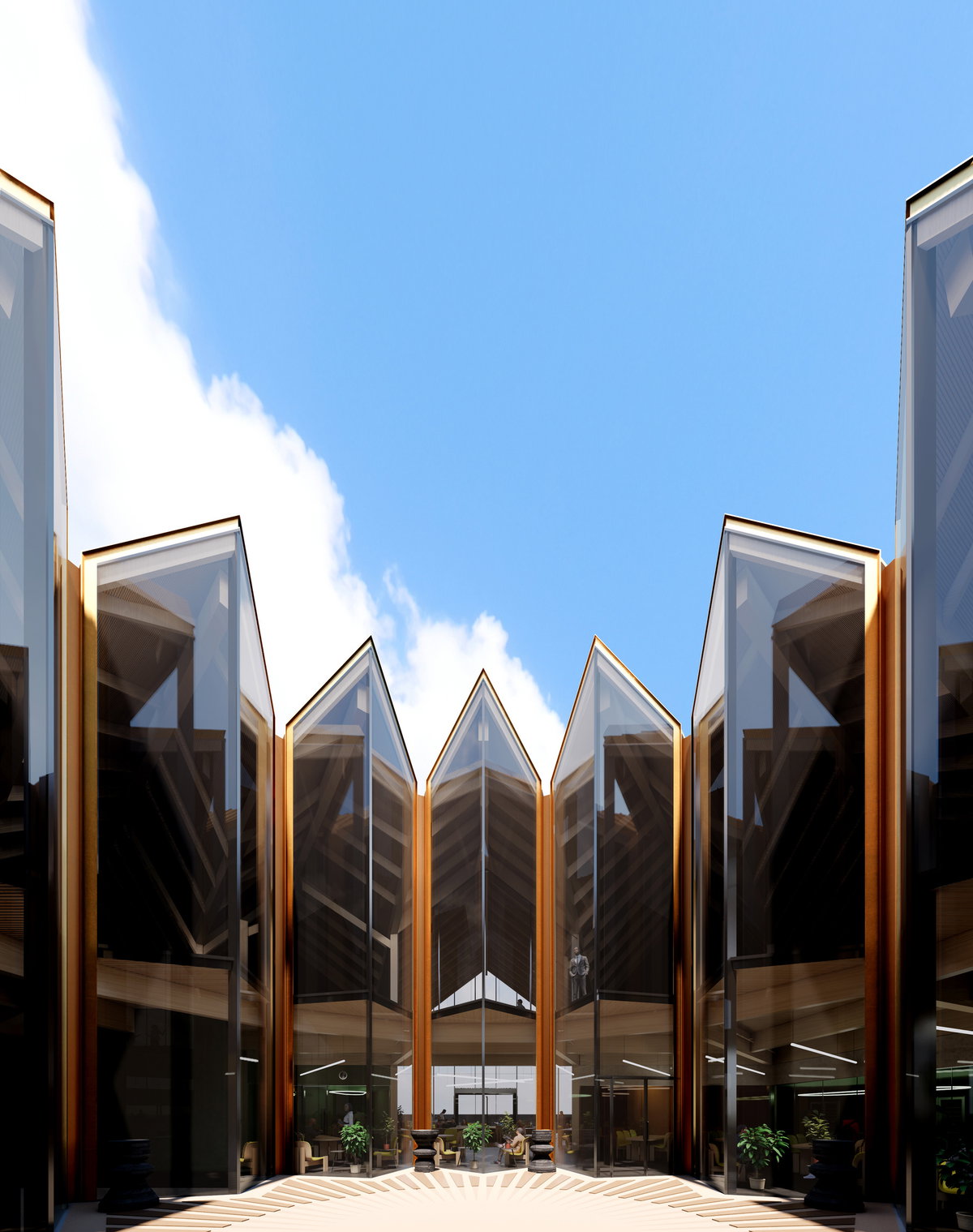
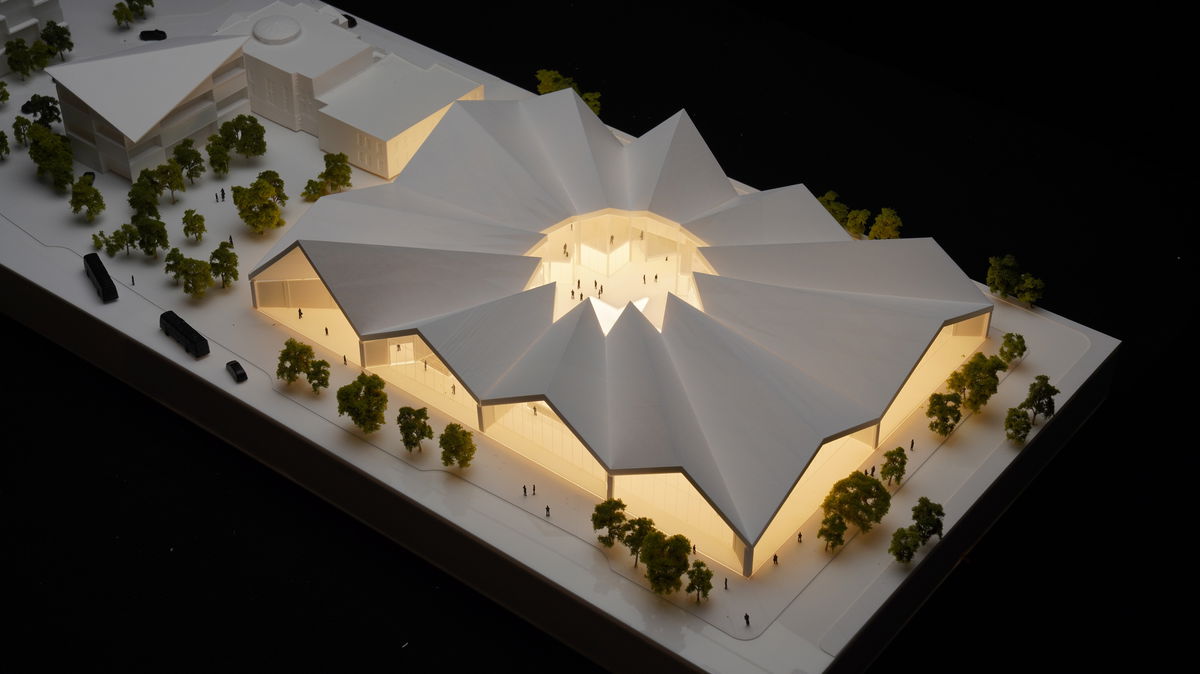
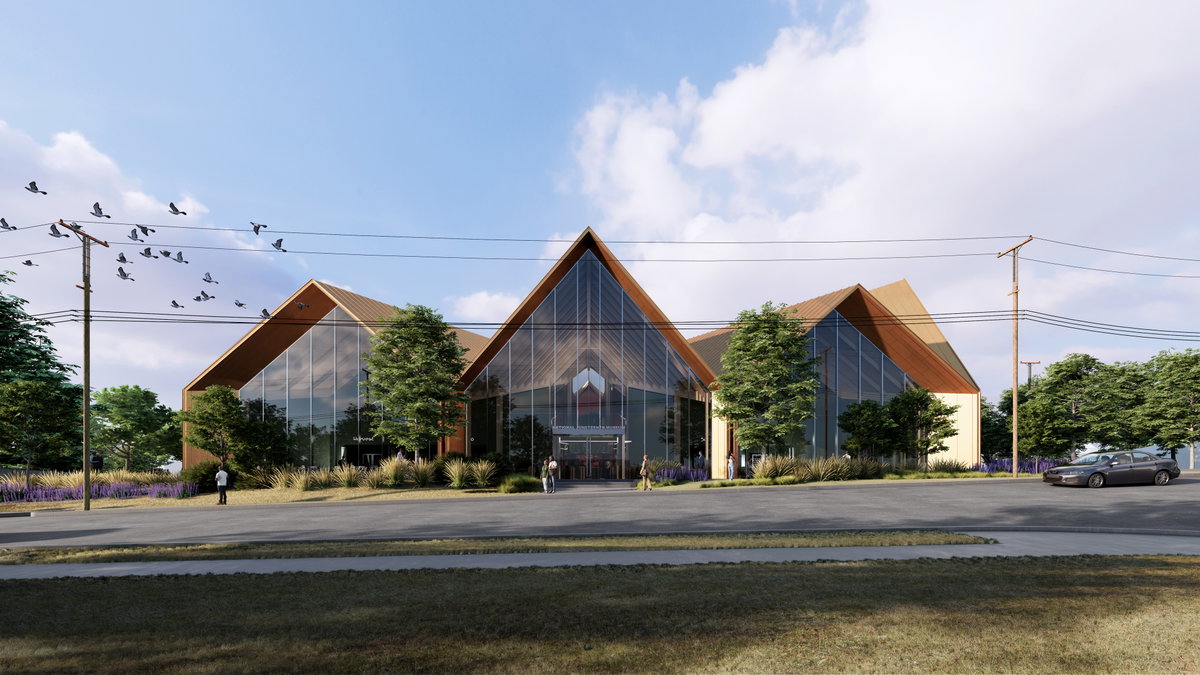
From Symbol to Form — The narrow residential typology is commonly found in African American communities throughout the southern United States. Their exterior characteristics include a gabled roof and a front porch. The museum’s architectural form combines this local typology with the Nova found on the Juneteenth Flag.
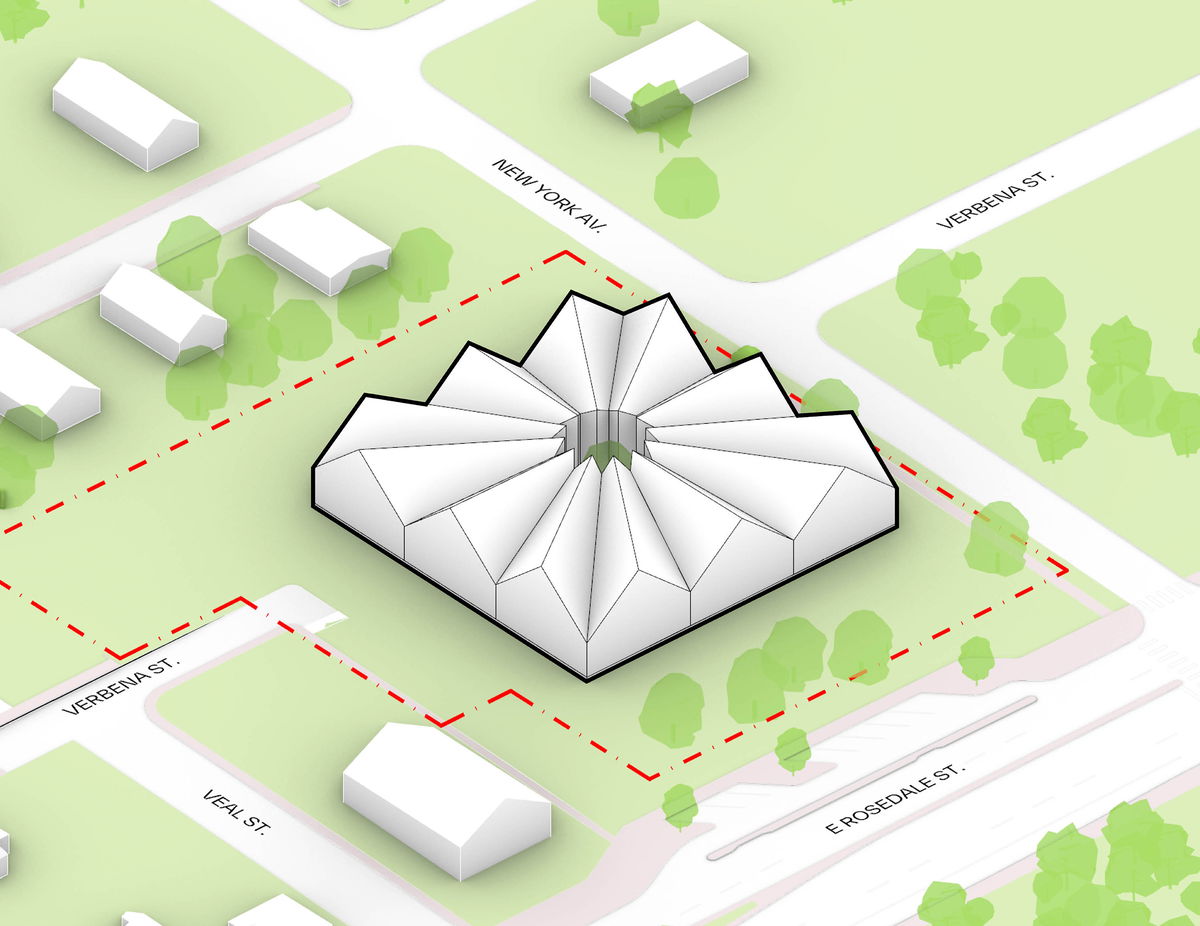
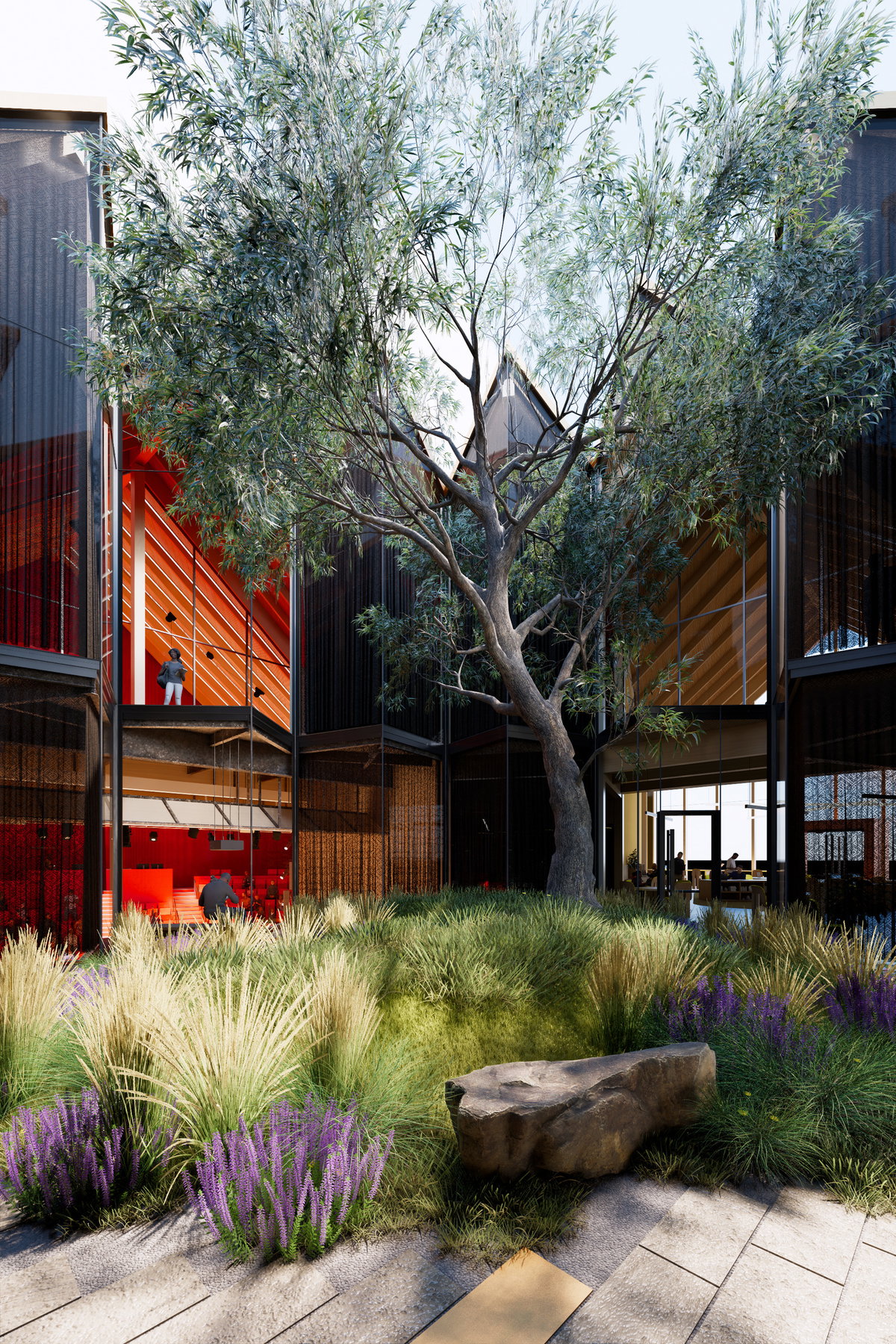
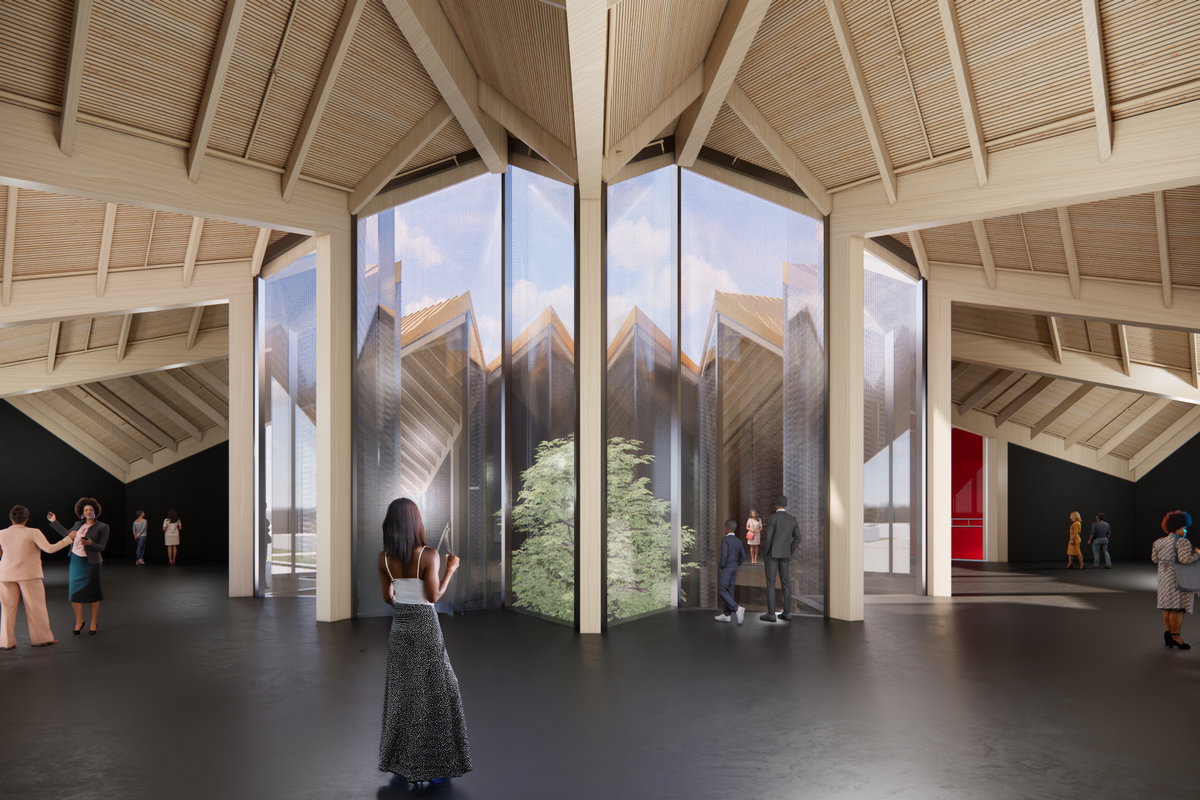
HOUSES — The massing concept arranges houses around a 12-point star, creating a shared courtyard.
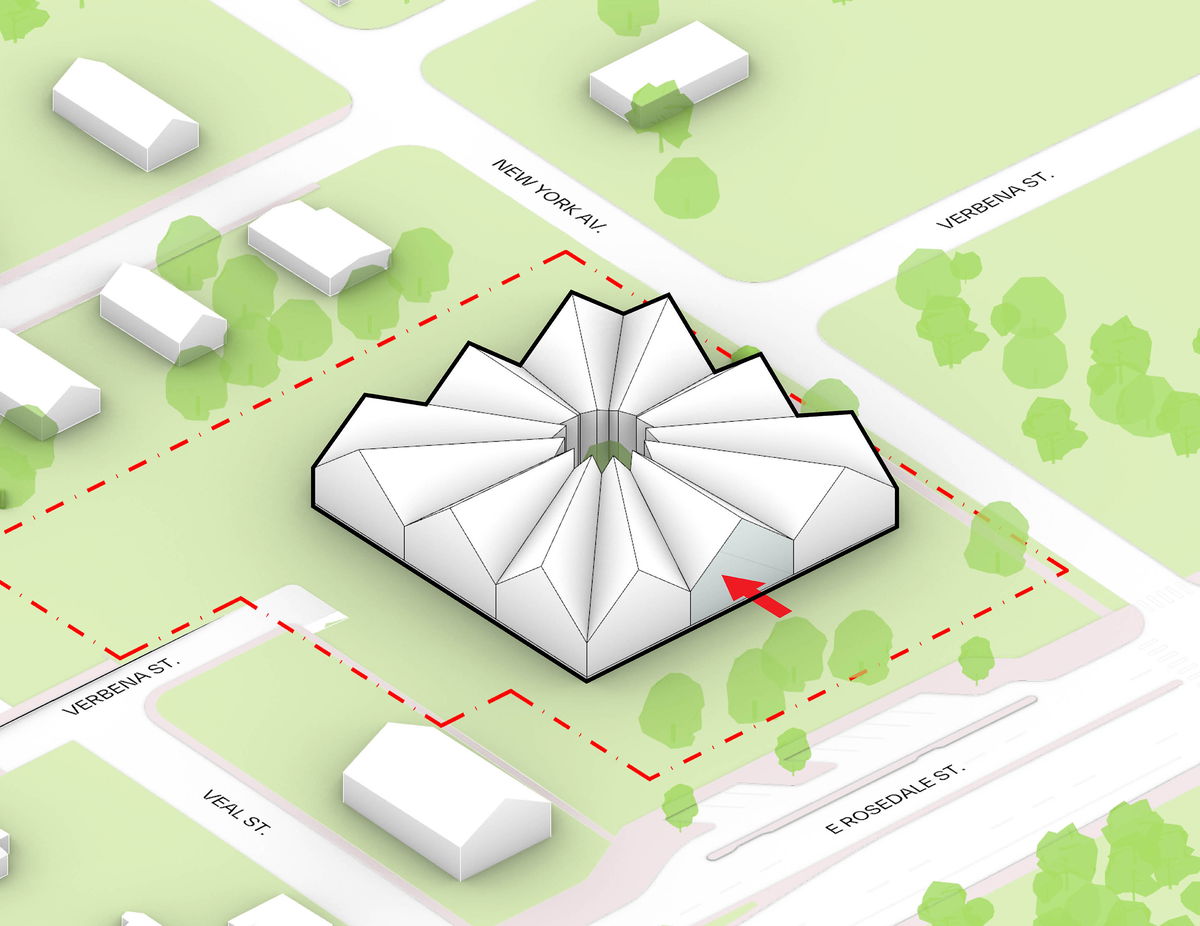
MAIN ENTRY — The house towards the south provides direct access into the museum, black box, and courtyard.
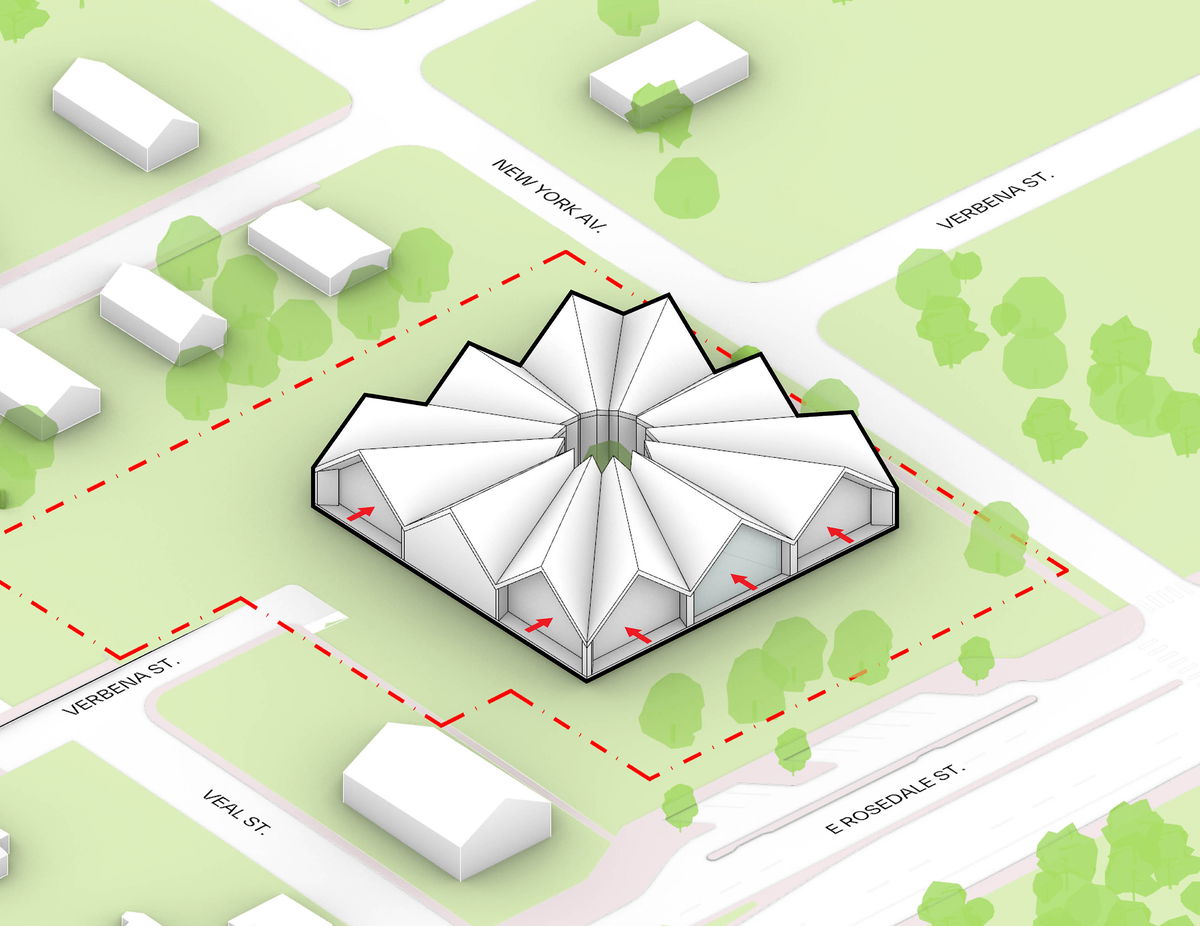
OVERHANGS — Each house features an overhang that provides shading and forms a porch along its perimeter. The courtyard also features an overhang providing shade.
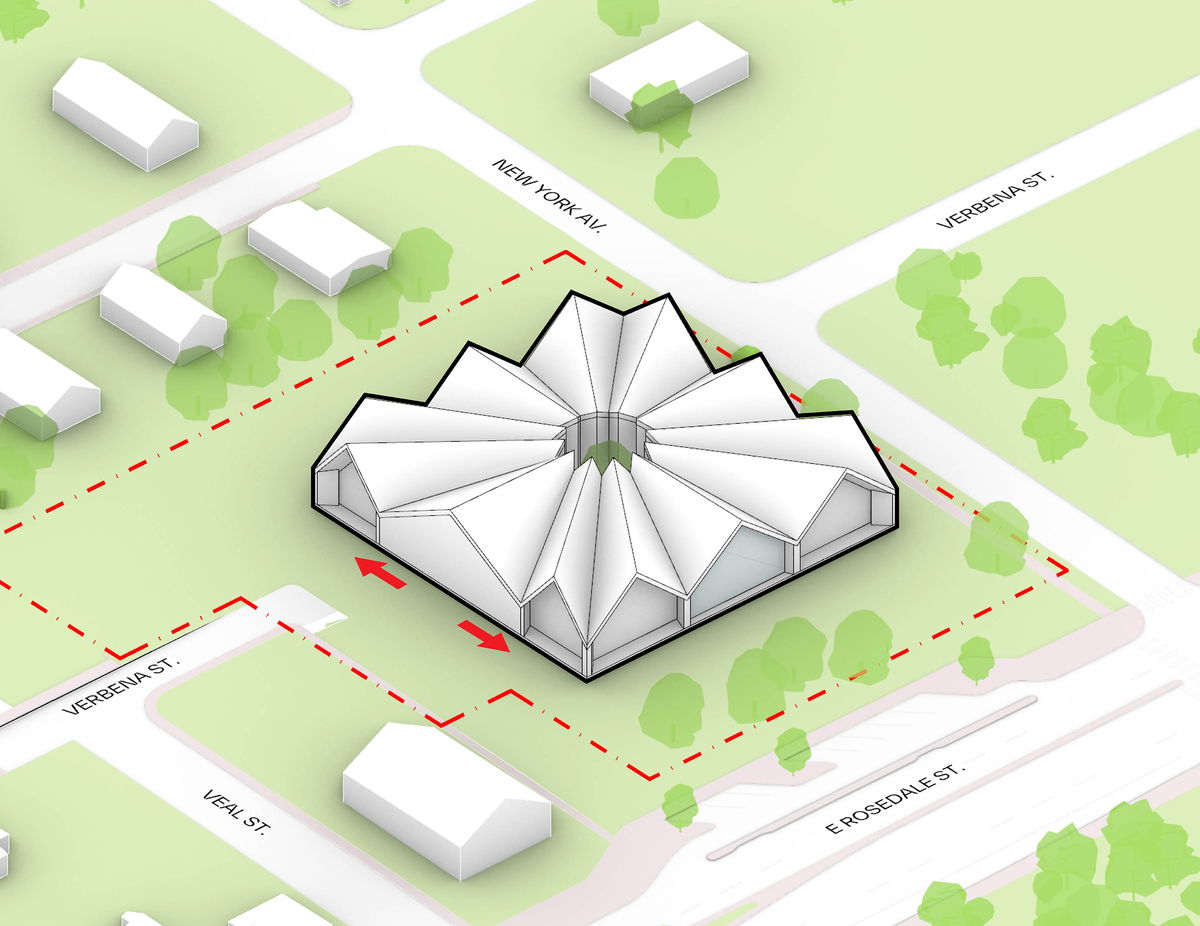
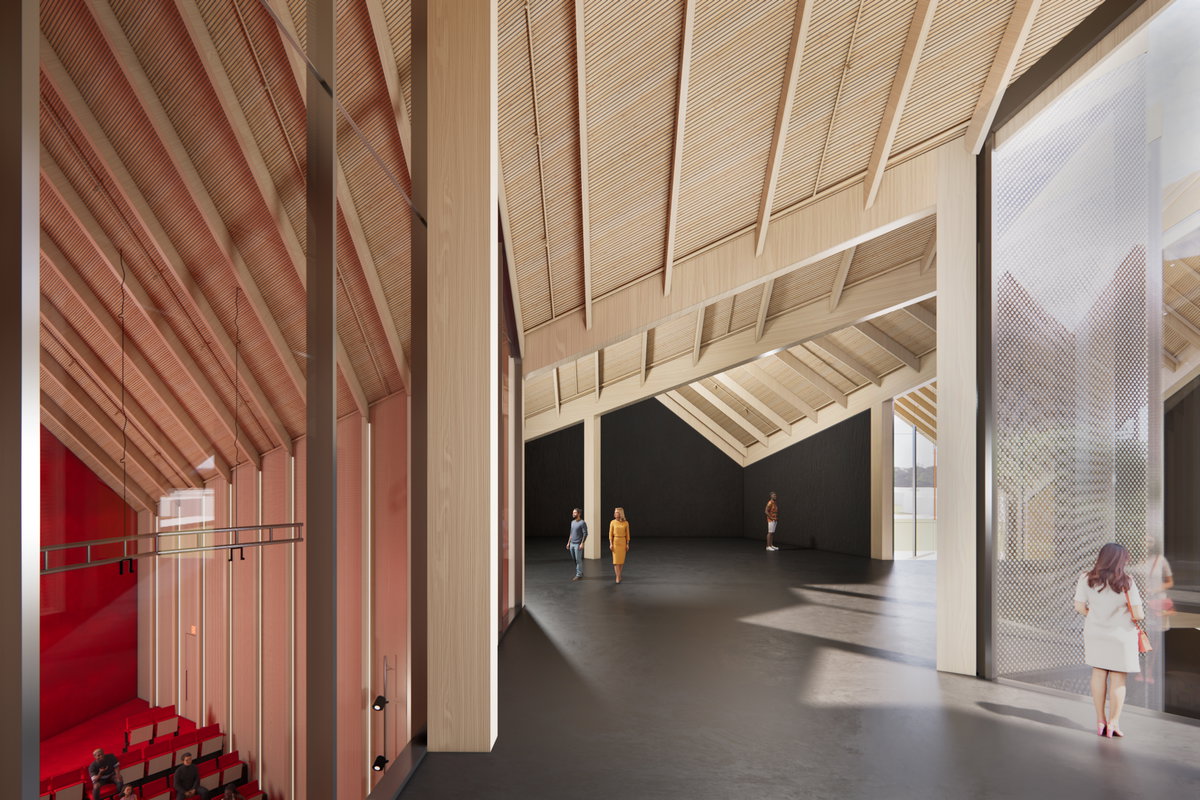
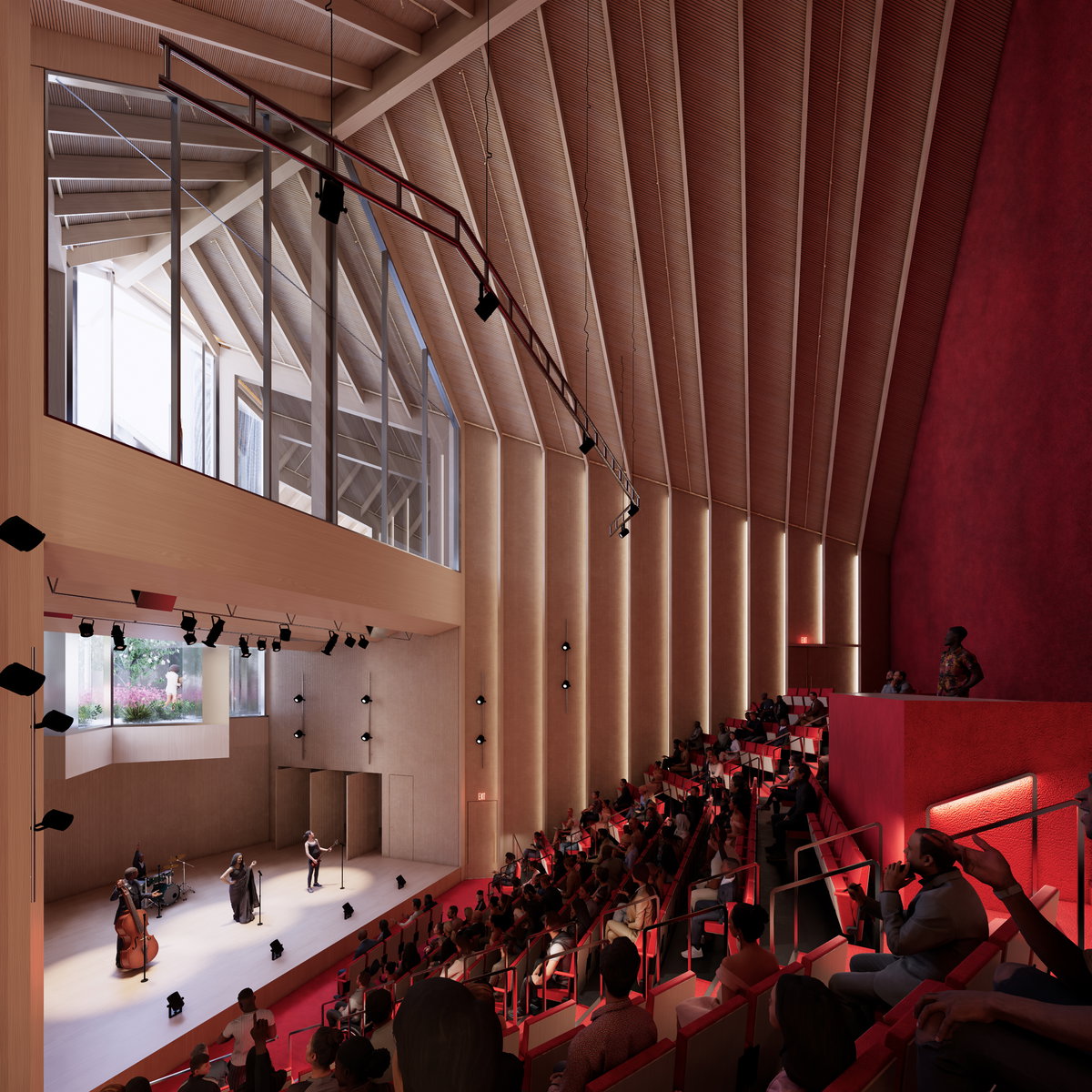
AUDITORIUM — The auditorium house is widened to meet the 250 target seat count.
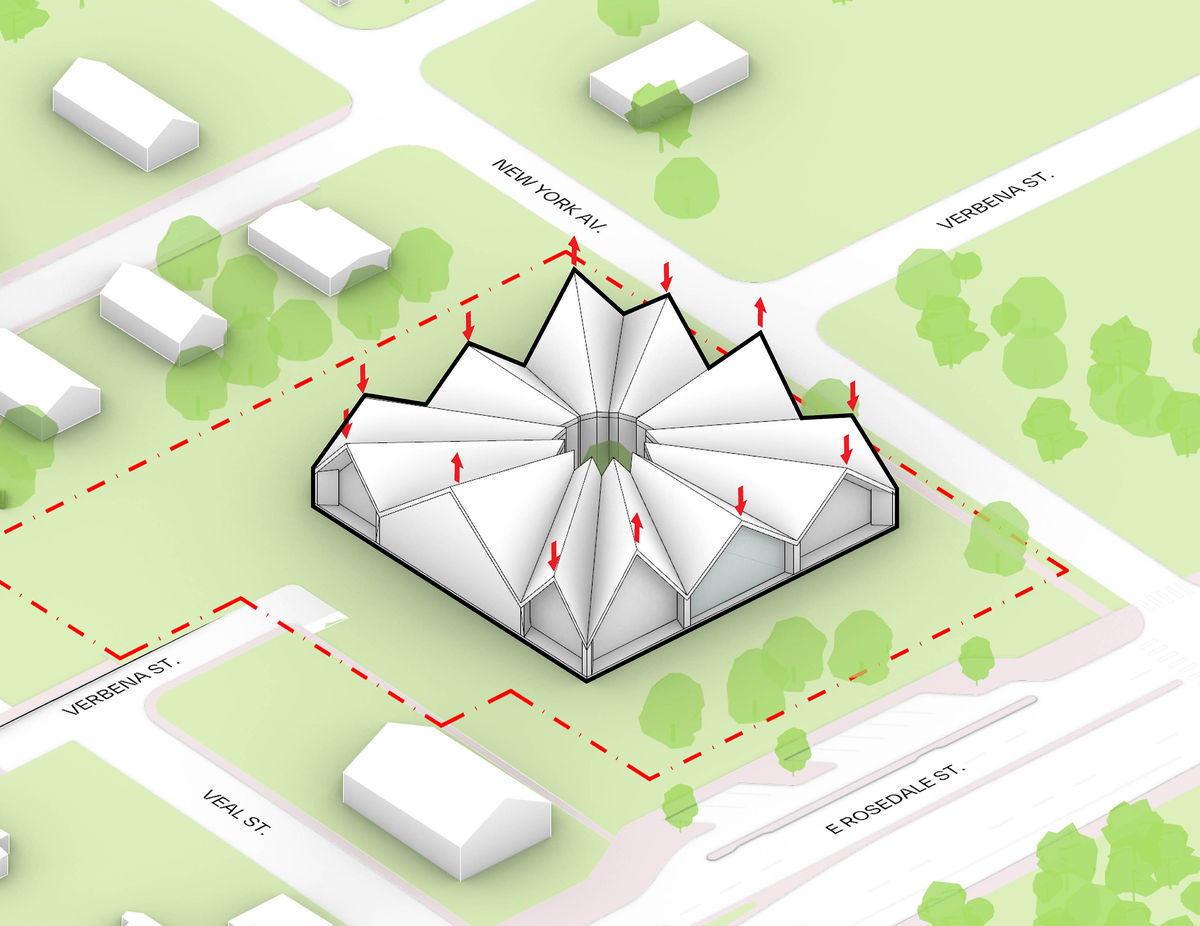
PEAK HEIGHTS — The roof heights vary to give unique identities to the variety of the programs.
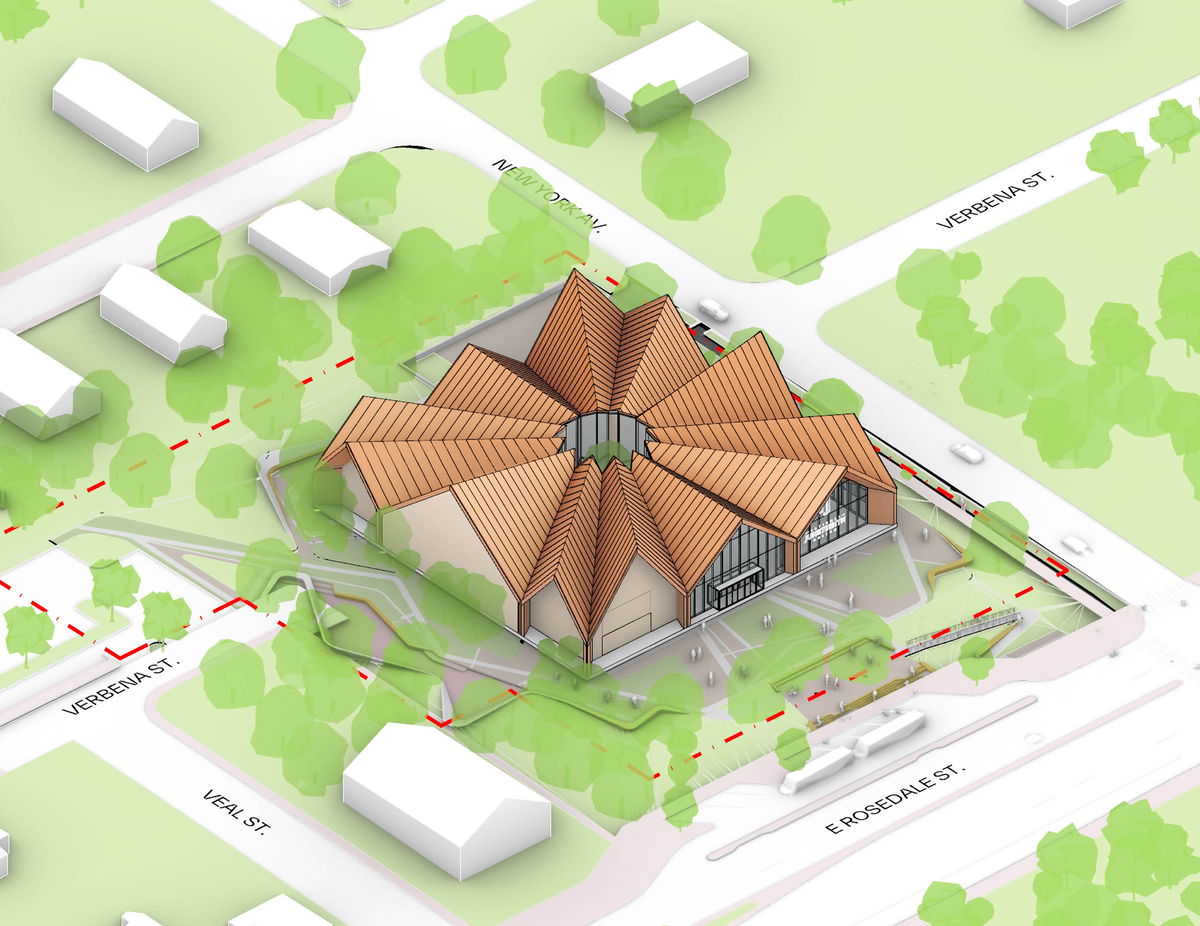
MATERIALS — The roof is clad in PV panels, and the exterior façades are glazed, wood-clad, and feature an LED display.

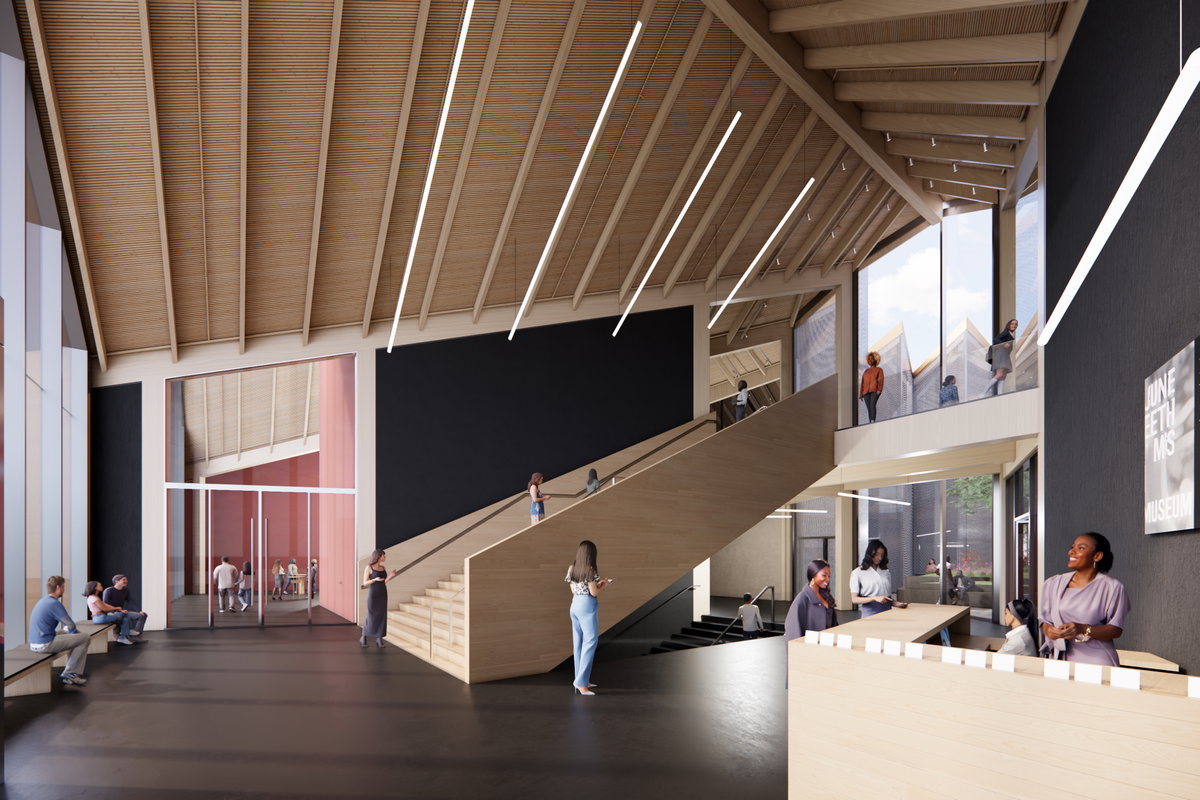
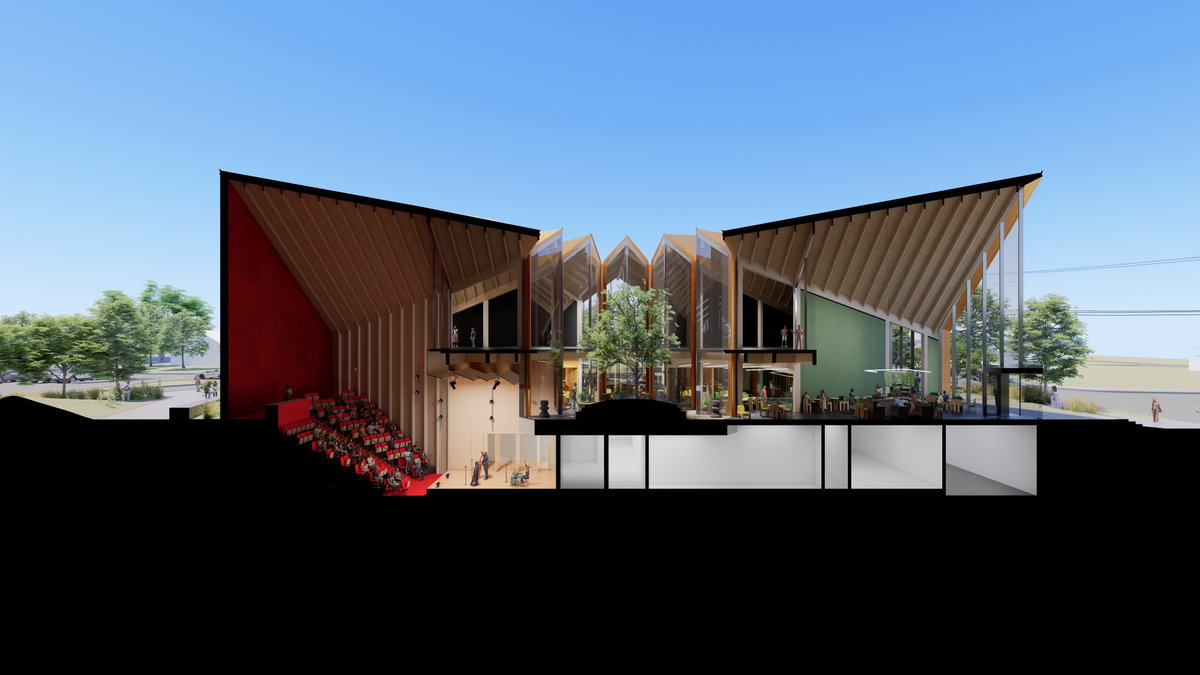



“The National Juneteenth Museum came to BIG looking for a design that captures the social, cultural, and spiritual importance of Juneteenth celebrations for Black people while expressing its historic significance and relevance to all Americans. Our hope is that this building will become a gateway to the Historic Southside community of Fort Worth while serving as a national and global destination. Our engagement with Dr. Opal Lee and members of the community to really understand their needs is what informed a lot of the design principles. As a Black architect, this project is one of the most rewarding experiences of my career.”Douglass Alligood - Partner, BIG




Partner in Charge
Bjarke Ingels
Daniel Sundlin
Douglass Alligood
Project Manager
Linus Saavedra
Design Lead
Kristian Hindsberg
Project Team
Abdur-Rahman Harunah
Alejandra Cortes
Alvaro Velosa
Andrea Hektor
Christina Papadopoulou
Cooper Raposo
David Iseri
Evan James Hotary
Florencia Kratsman
Foad Sarsangi
Jan Leenknegt
Joanne Zheng
John Christopher
Mama Wu
Marcus Wilford
Margaret Tyrpa
Mateo Deza
Montre'ale Jones
Nate Albers
Ololade Owolabi
Pooja Annamaneni
Ryan Harvey
Ryan Henriksen
San Yoon
Suji Lee
Thakan Navapakpilai
Vi Madrazo
Yasamin Mayyas
Yumiko Matsubara
Collaborators
Alligood Song Architects
KAI Enterprises
EDSA
Carrillo Engineering
StructureCraft
WSP
KAI Engineering
Dot Dash
Schuler Shook
WJHW
JMK
Cedrick Frank Associates
Drytec
Local Projects
Vermeulens
GreeNexus Consulting