
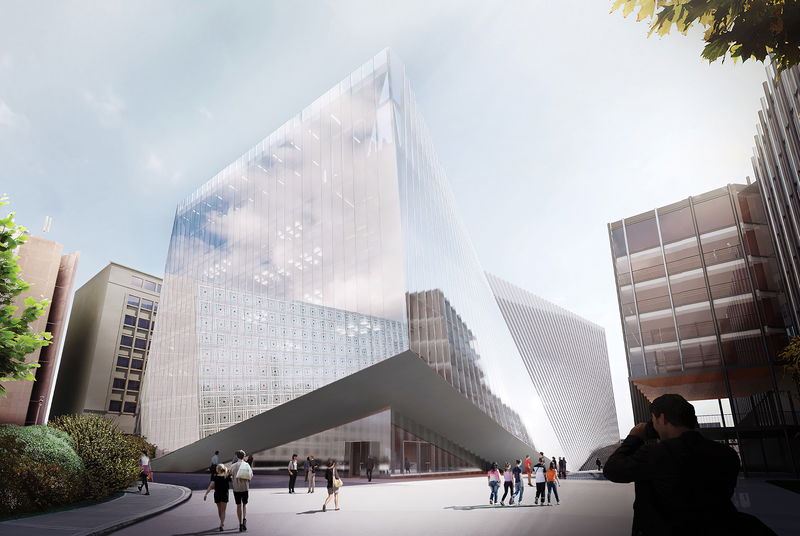

Cité de l’innovation Sorbonne Université
Paris, France
Client
Sorbonne Université
Typology
Education
Size m2/ft2
15,992 / 172,136
Status
In Construction
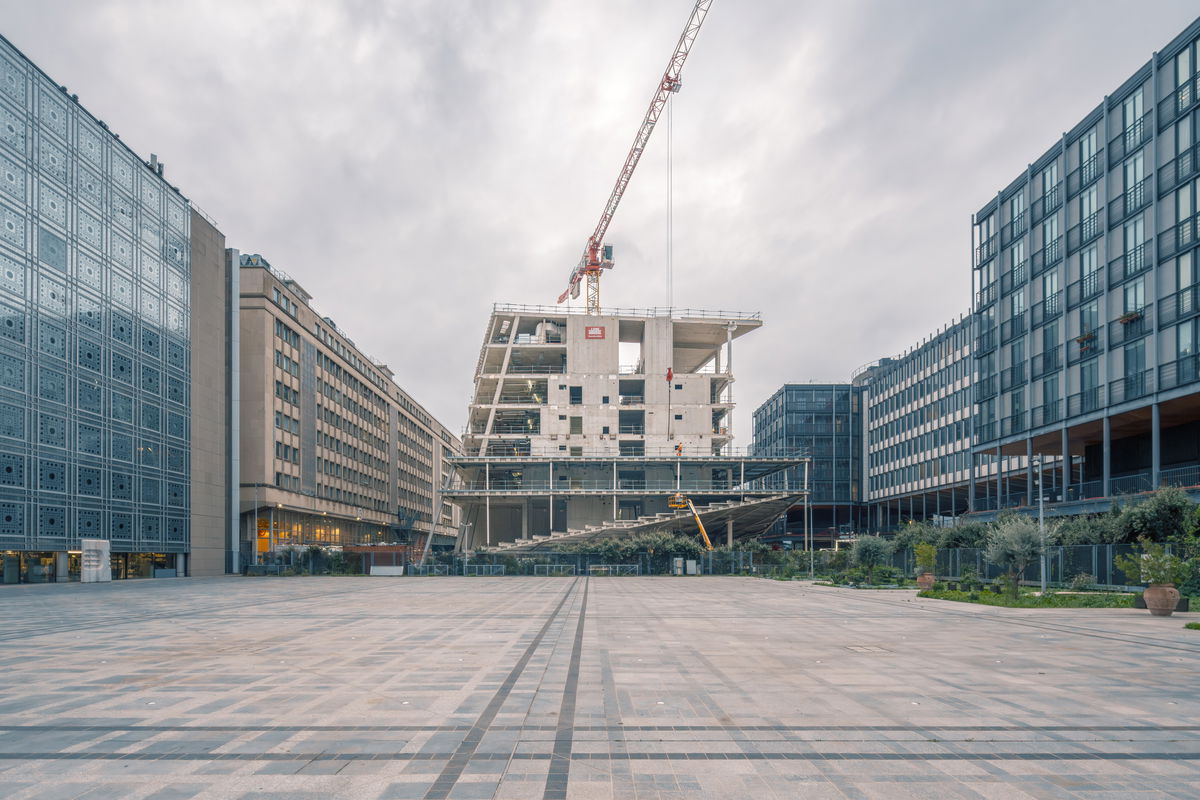
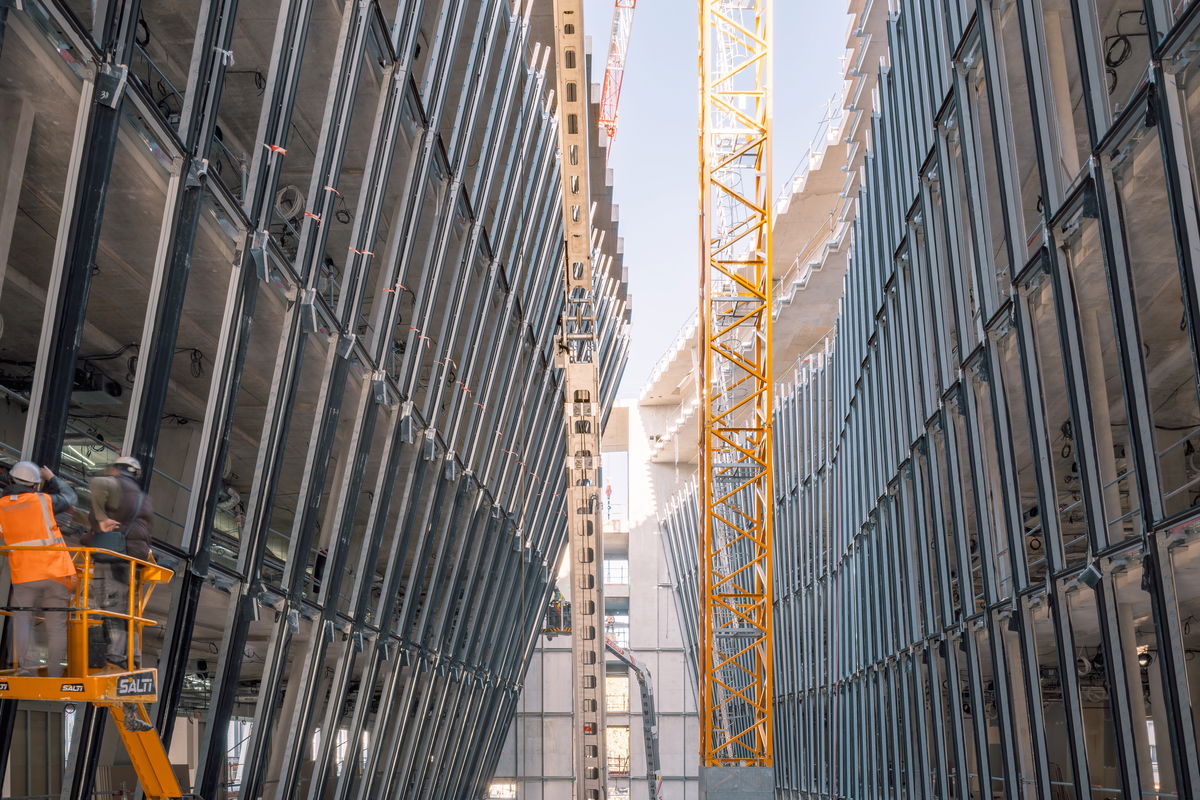
DSC07595-Enhanced-NR-HDR_webcrop
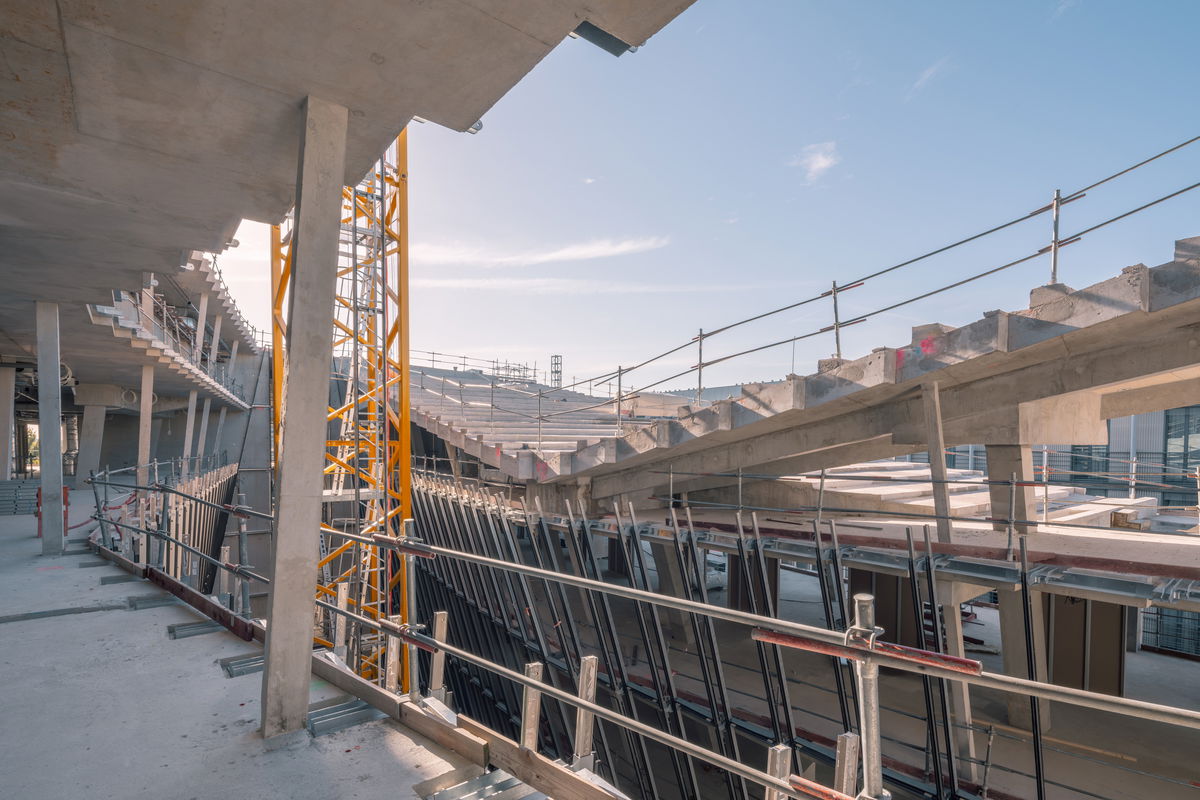
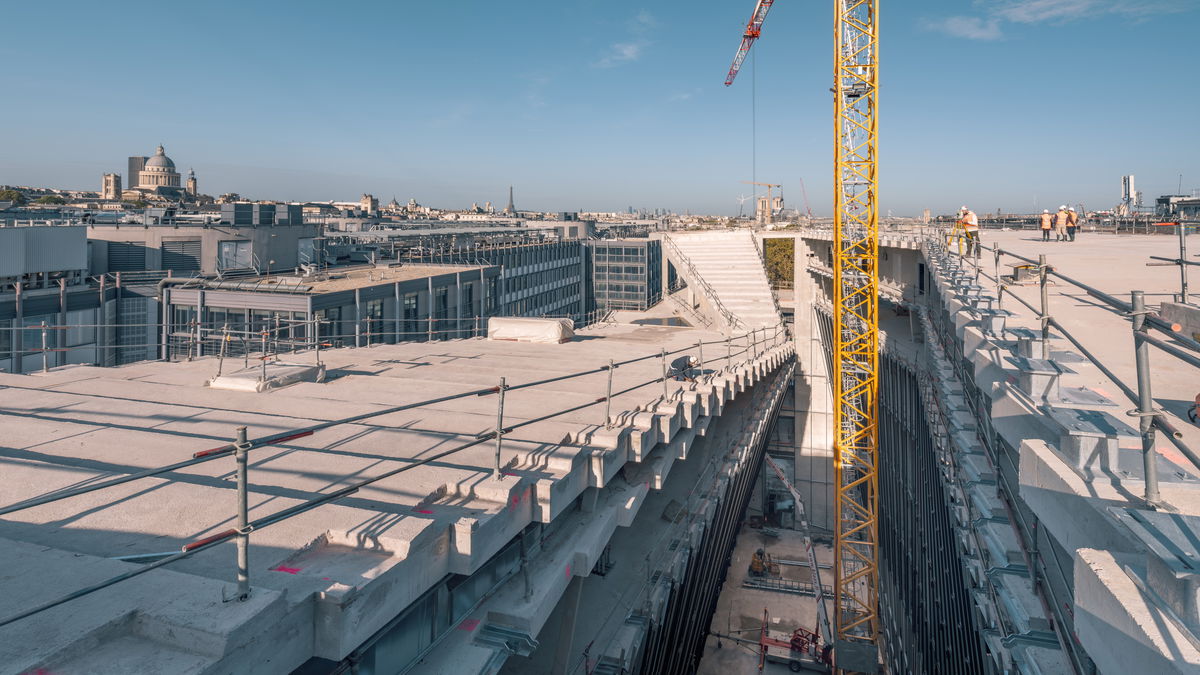
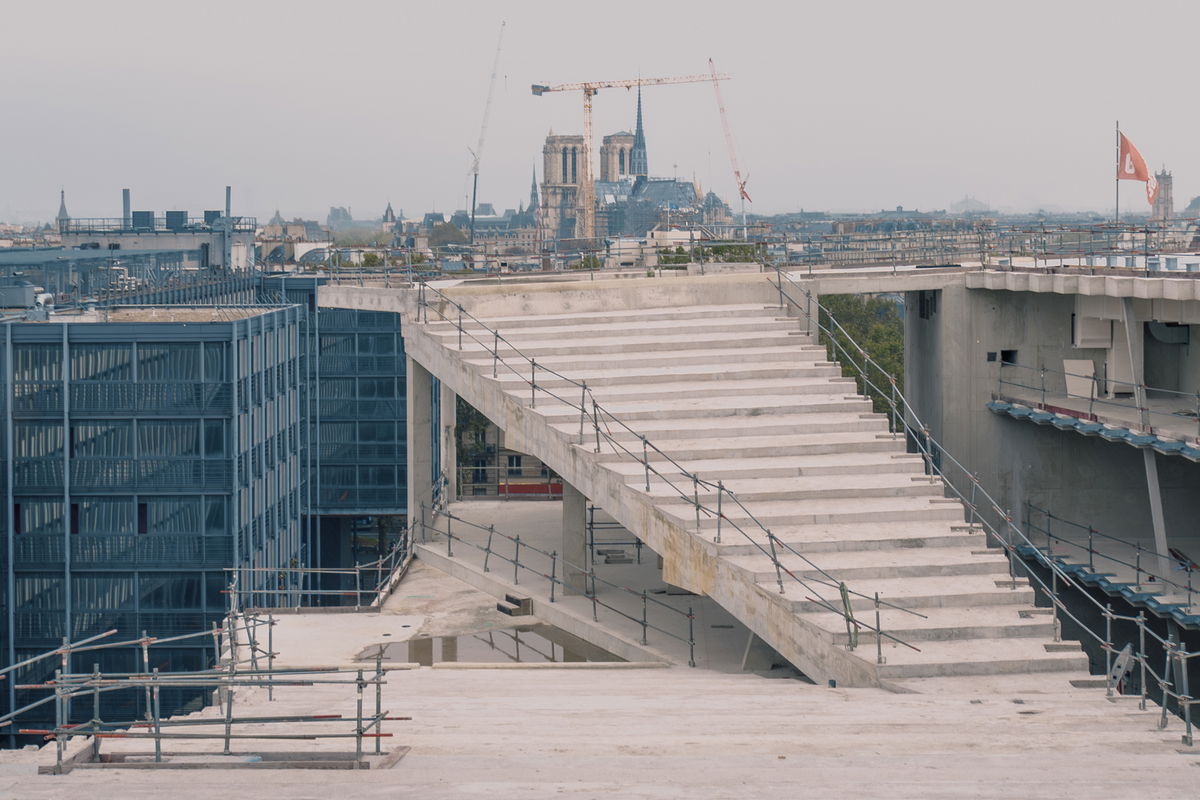
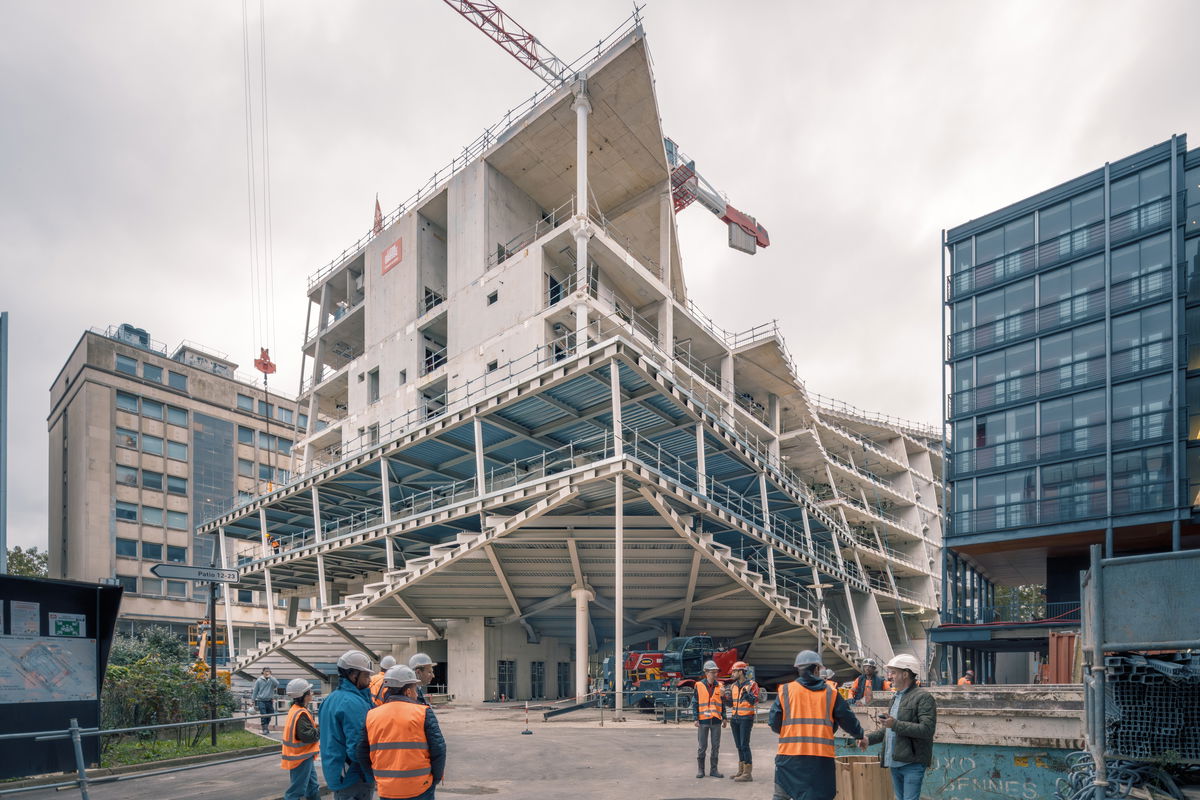
_DSC4761-Enhanced-NR_webcrop

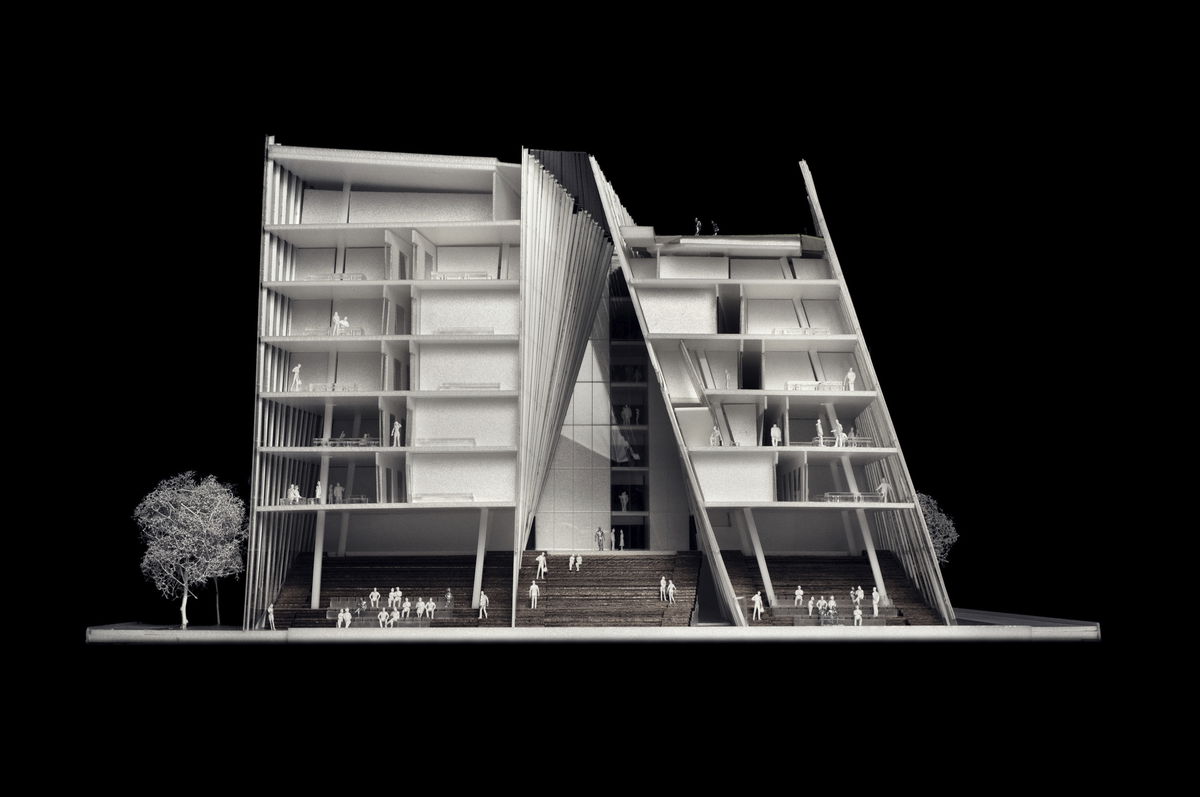

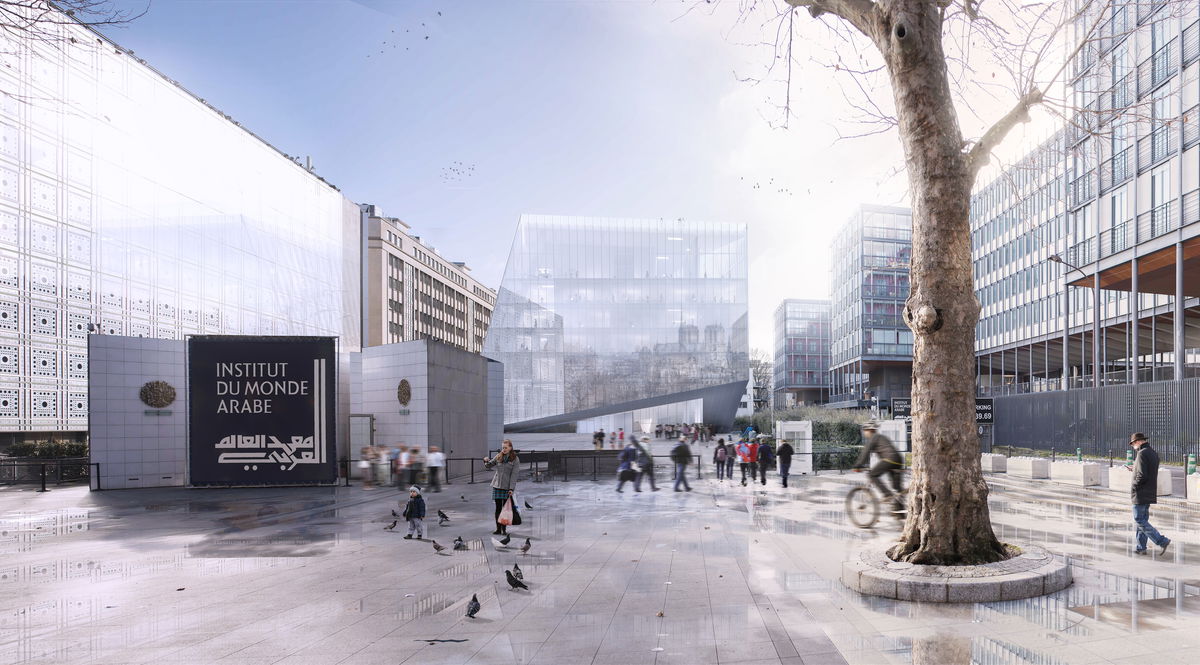



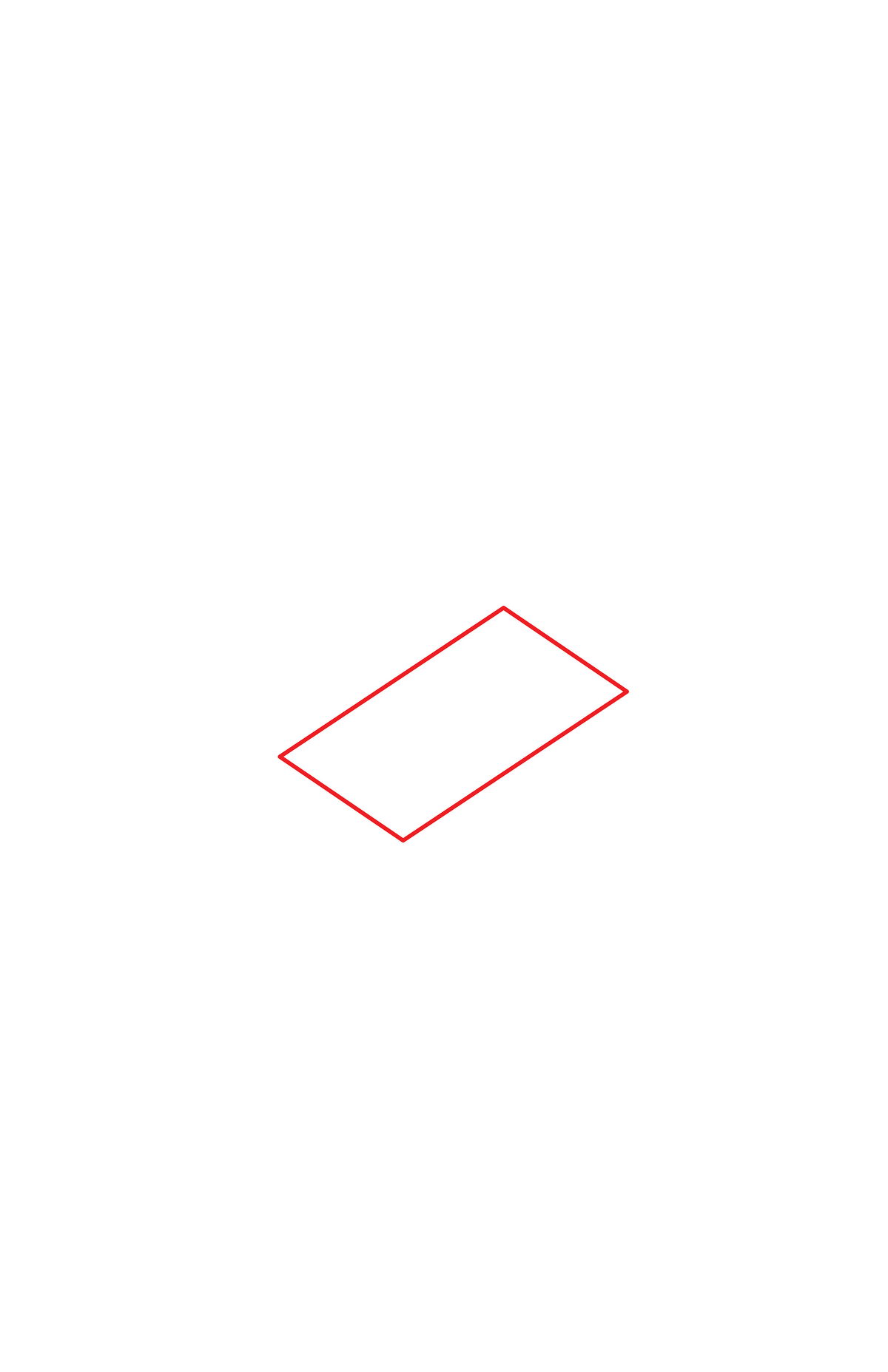
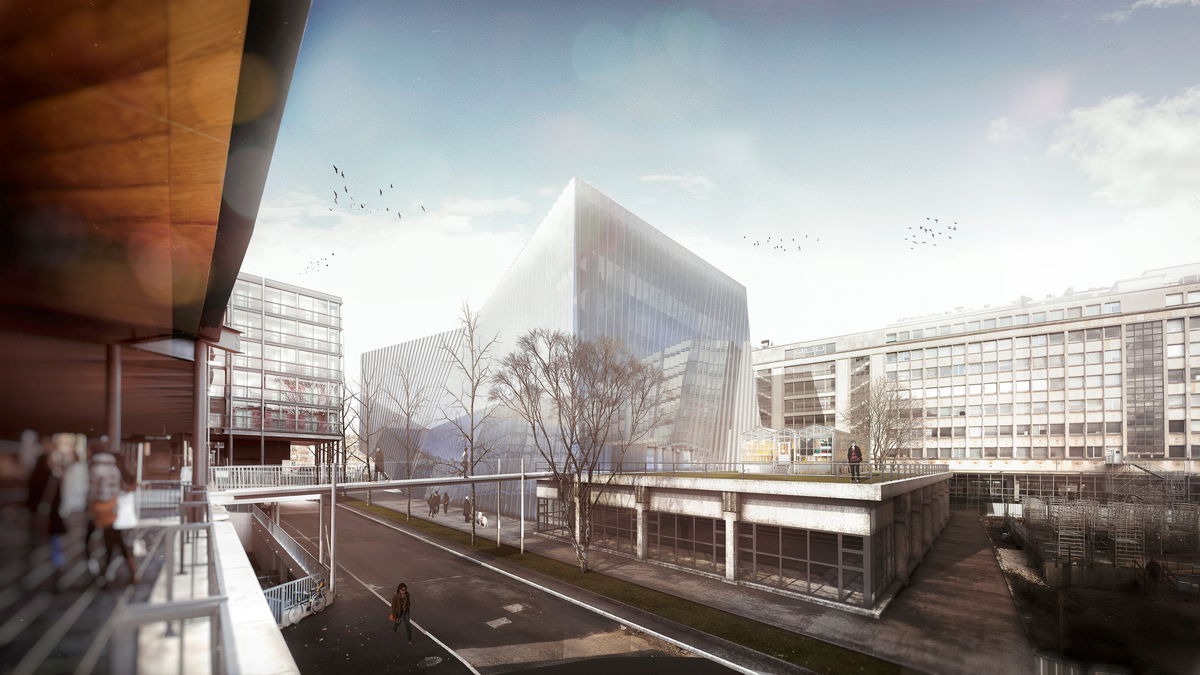
Context — A dense site between the famous Albert Grid, the Cassan building, and the Institut du Monde Arabe. The site connects IMA Square to the park and fills the space of the originally planned green axis of the Jussieu Campus.
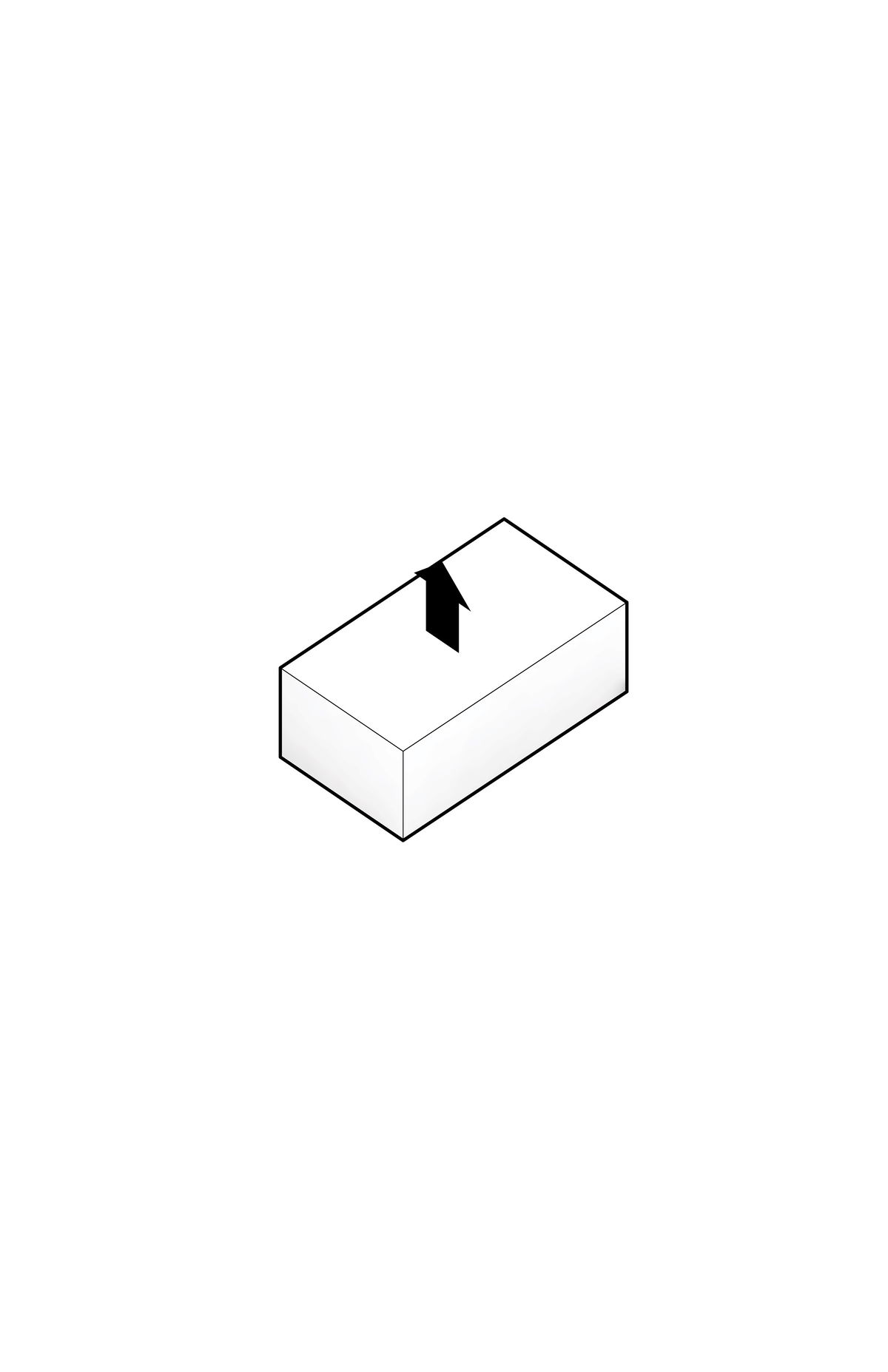
Extrusion — The maximum building envelope forms a volume with deep floor plans and facades oriented directly towards the neighboring buildings, with only few m distance in between.
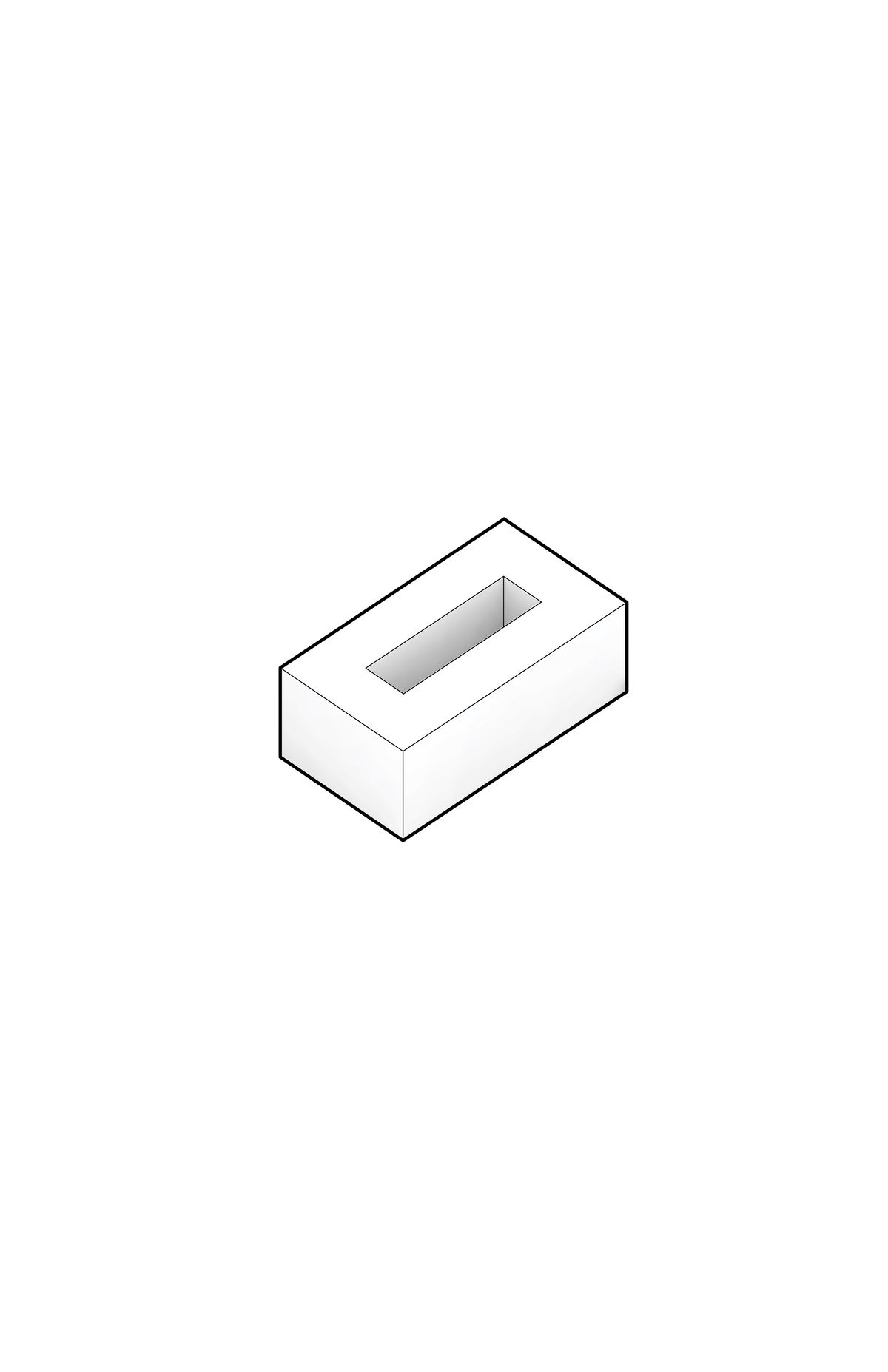
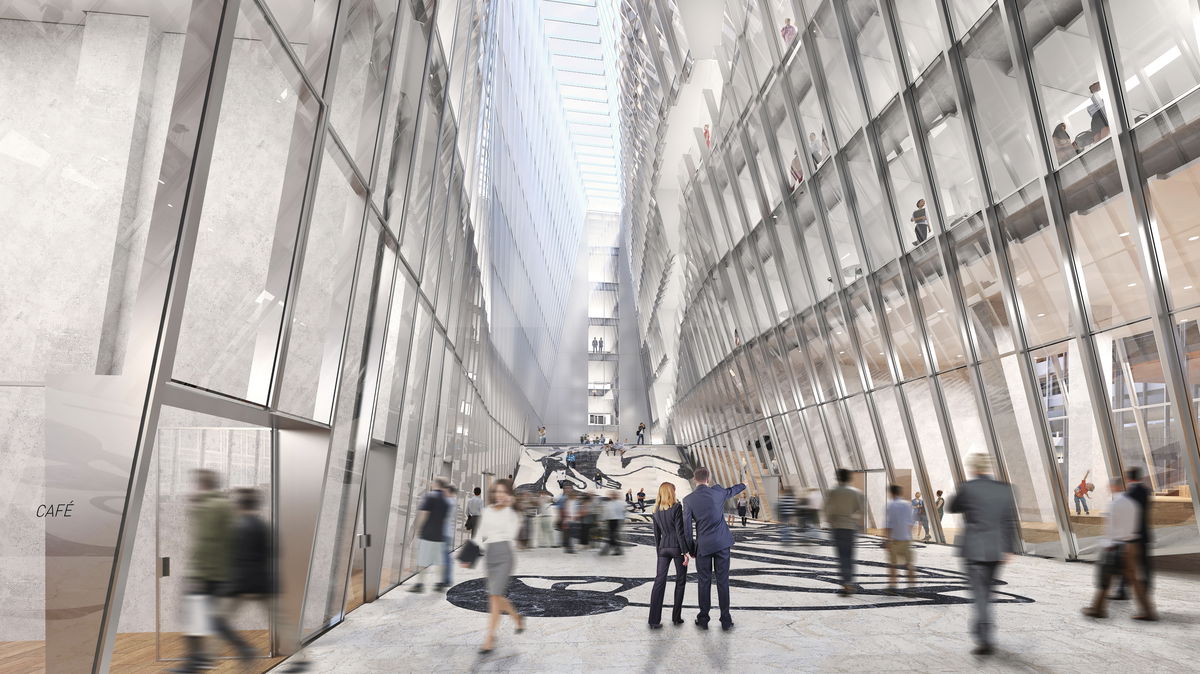
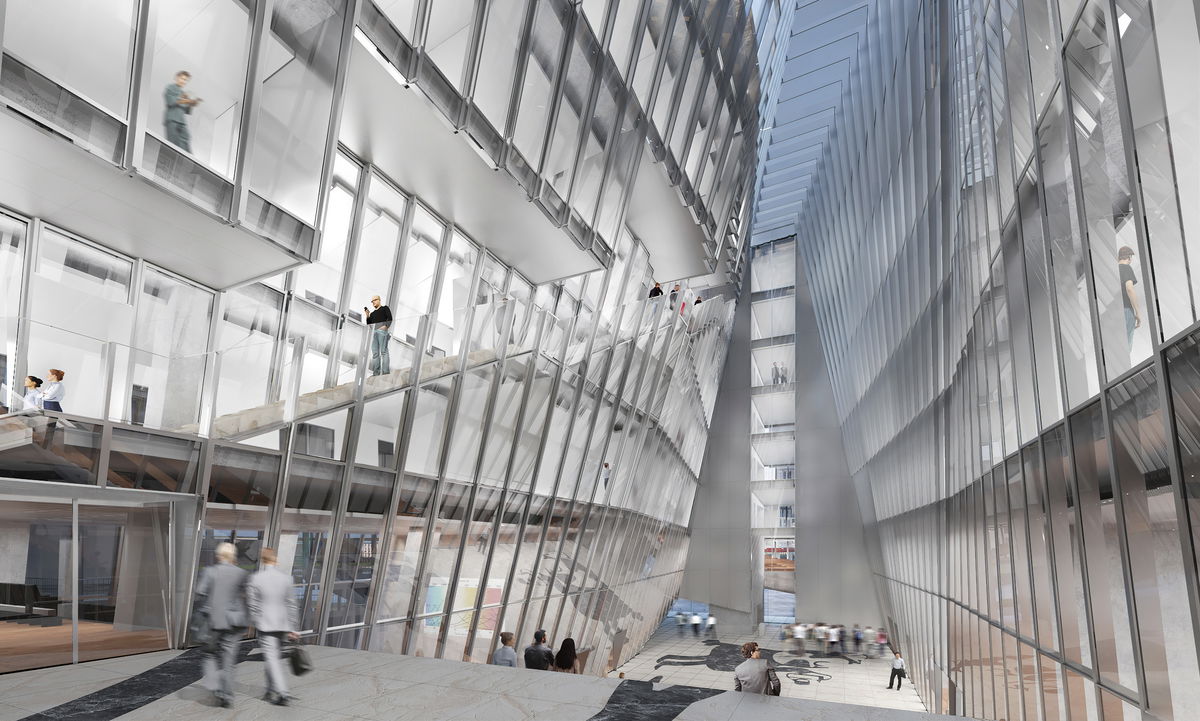
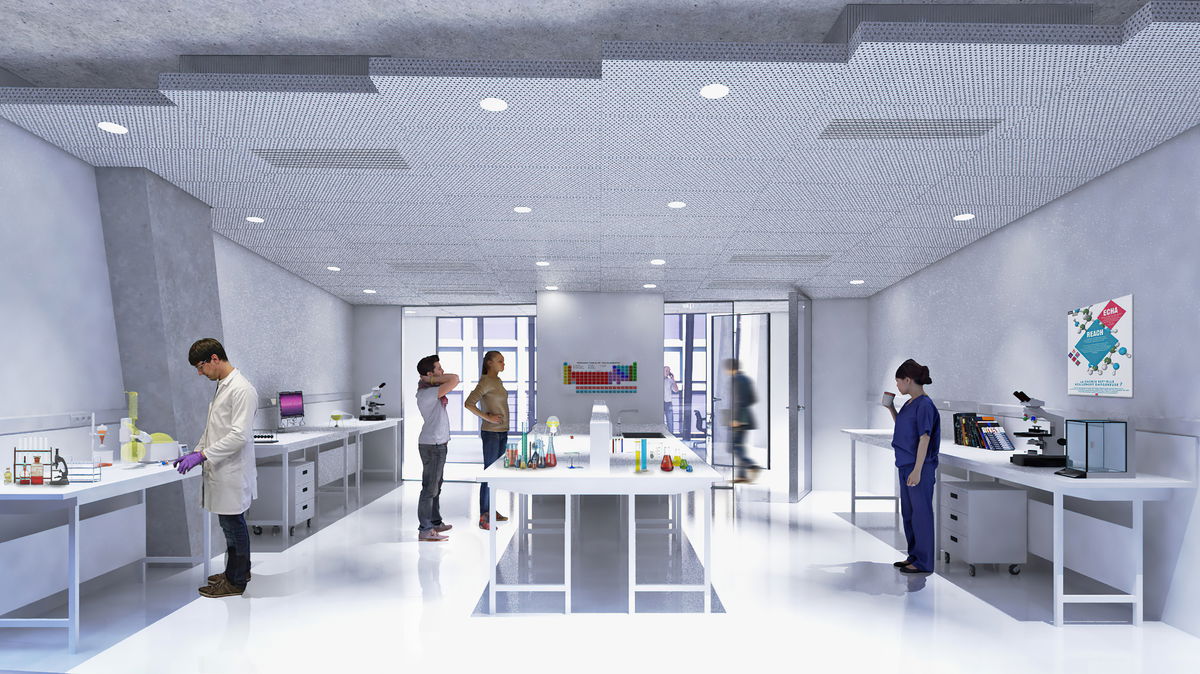
Courtyard — The center of the building is subtracted to become an atrium, maximizing daylight and circulation. Offices are facing outwards with natural ventilation. Laboratories with mechanical ventilation are organized towards the atrium, forming a center of visually connected spaces.
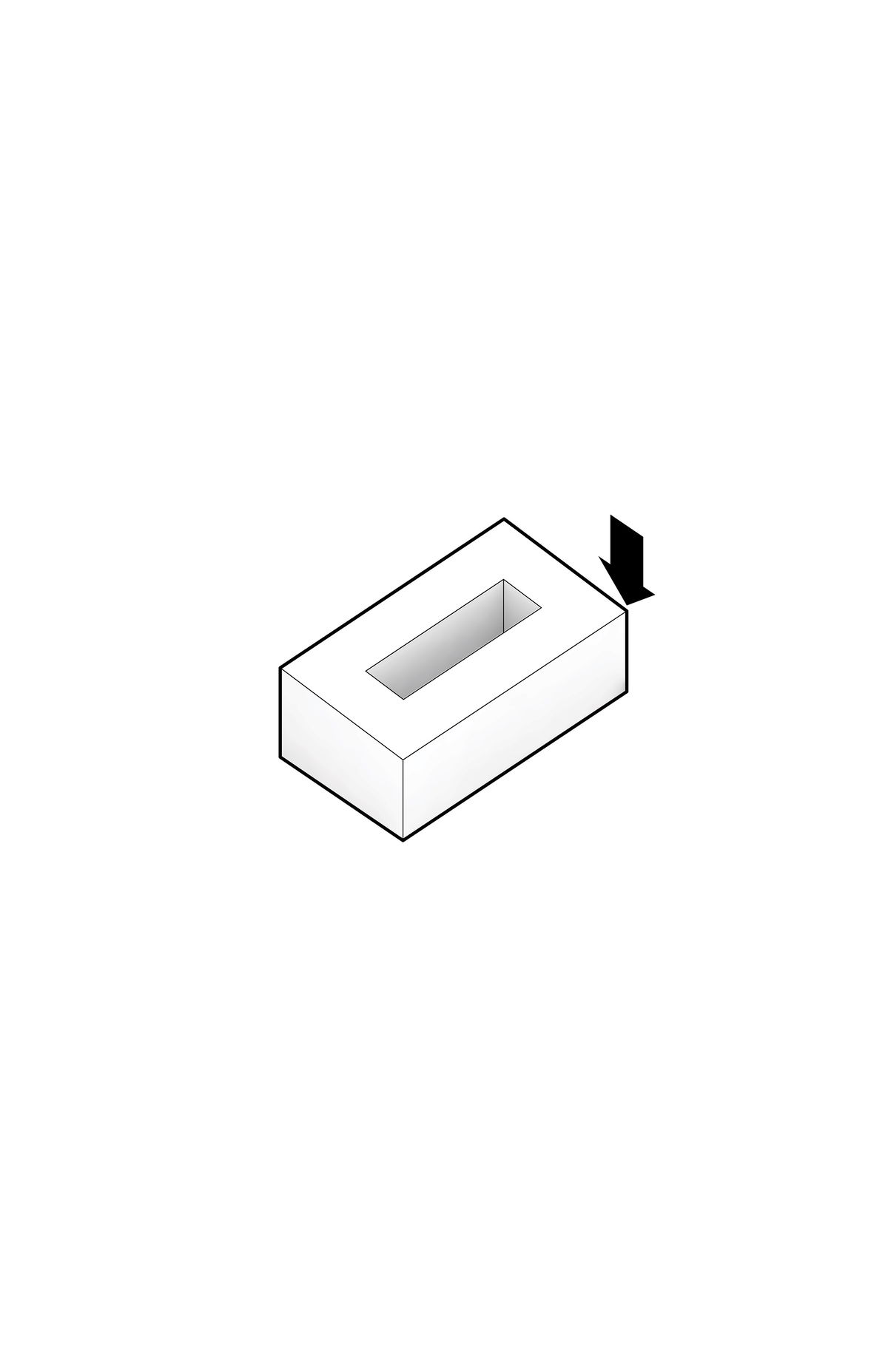
Inclined roof — The fifth façade of the building envelope, the roof, is inclined to connect the building heights of the Cassian Building and the Albert Grid.
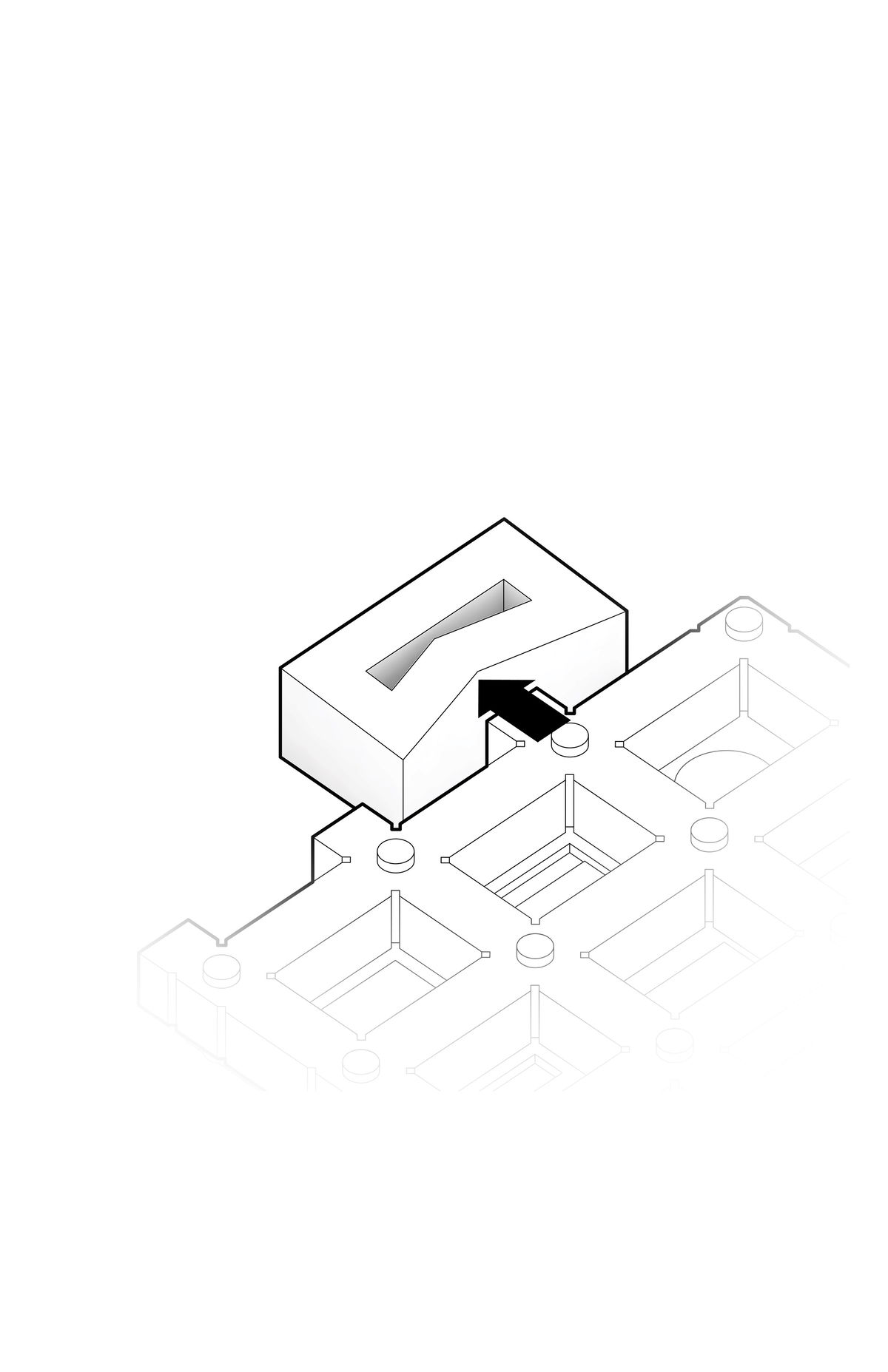
Building envelope — The building envelope is pushed in to keep distance towards the apartments in the Albert Grid, improving the daylight and view conditions for both apartments and offices.
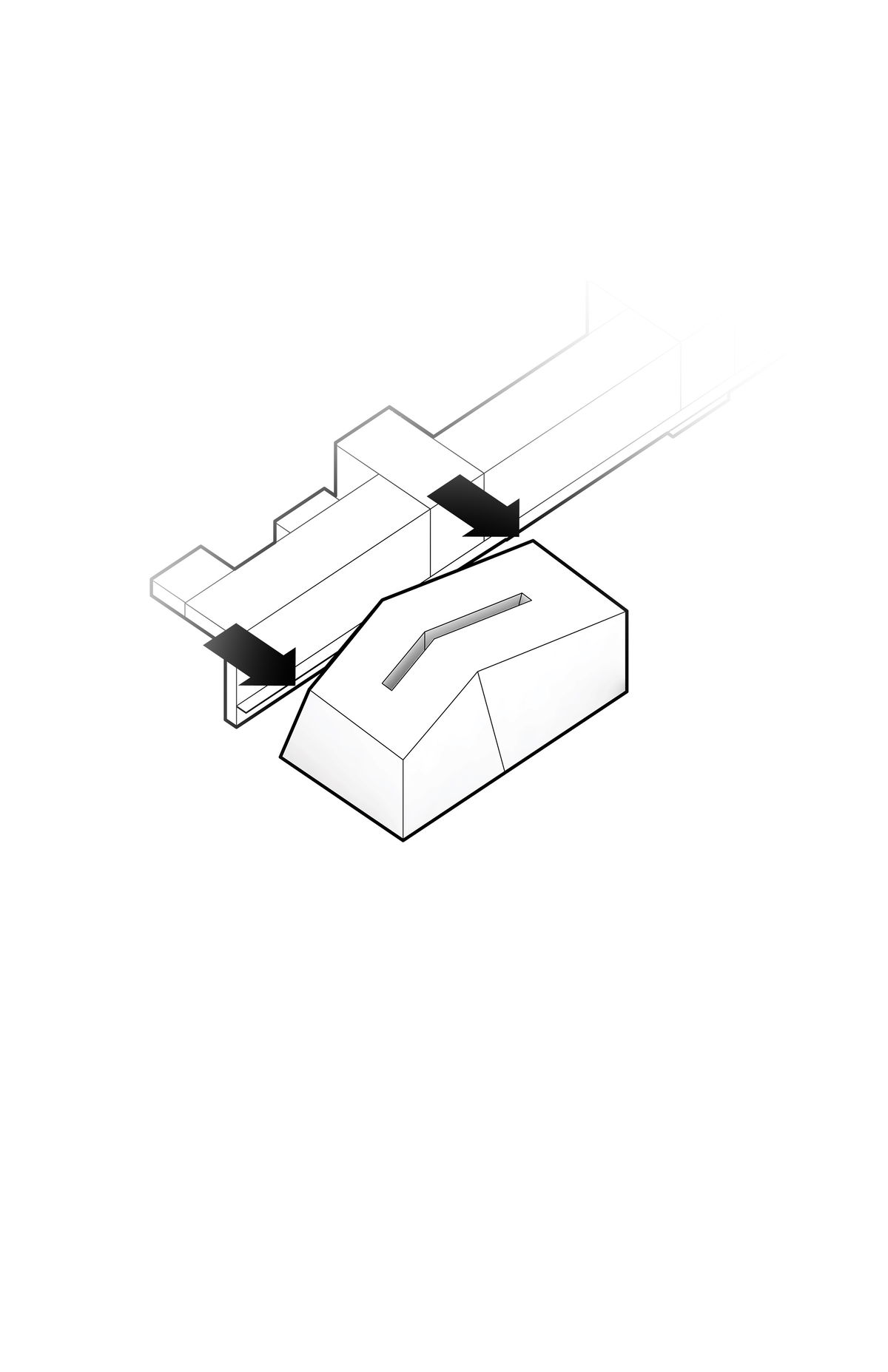
Deformation towards the Cassan — Towards the Cassan Building, the façade is pulled back in each corner, similarly to keep the distance and improve daylight and views for both buildings.
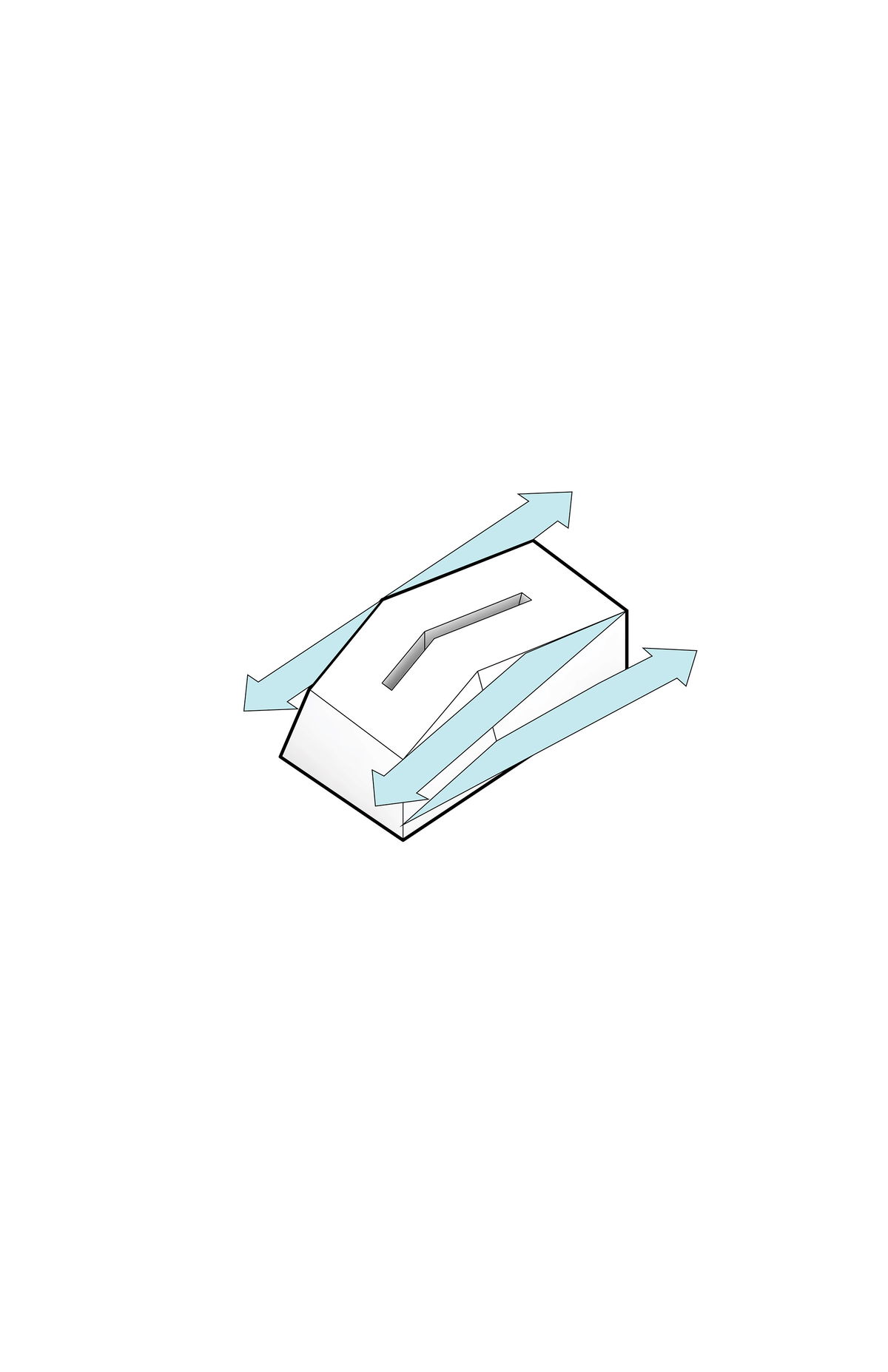
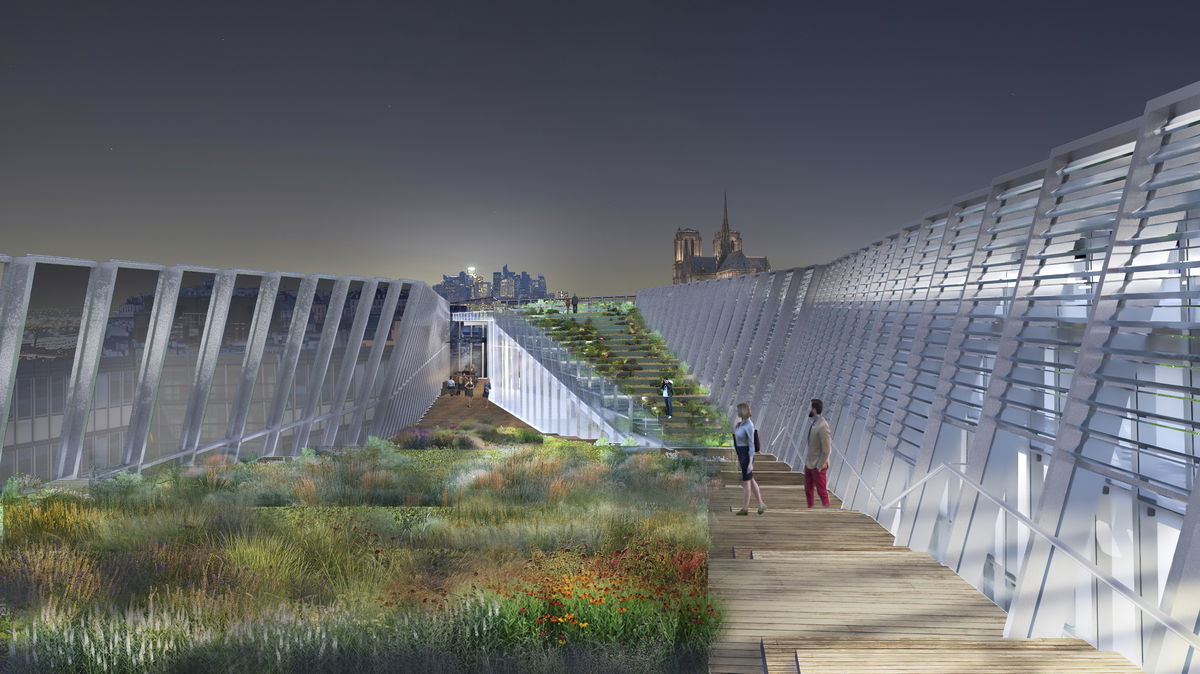
daylight & views — Deformed by the pressure of the surrounding buildings, the resulting volume is wedged into the dense context and avoids blocking the views of the green axis. The envelope creates sculptural passages with views of the park and Notre Dame Cathedral.
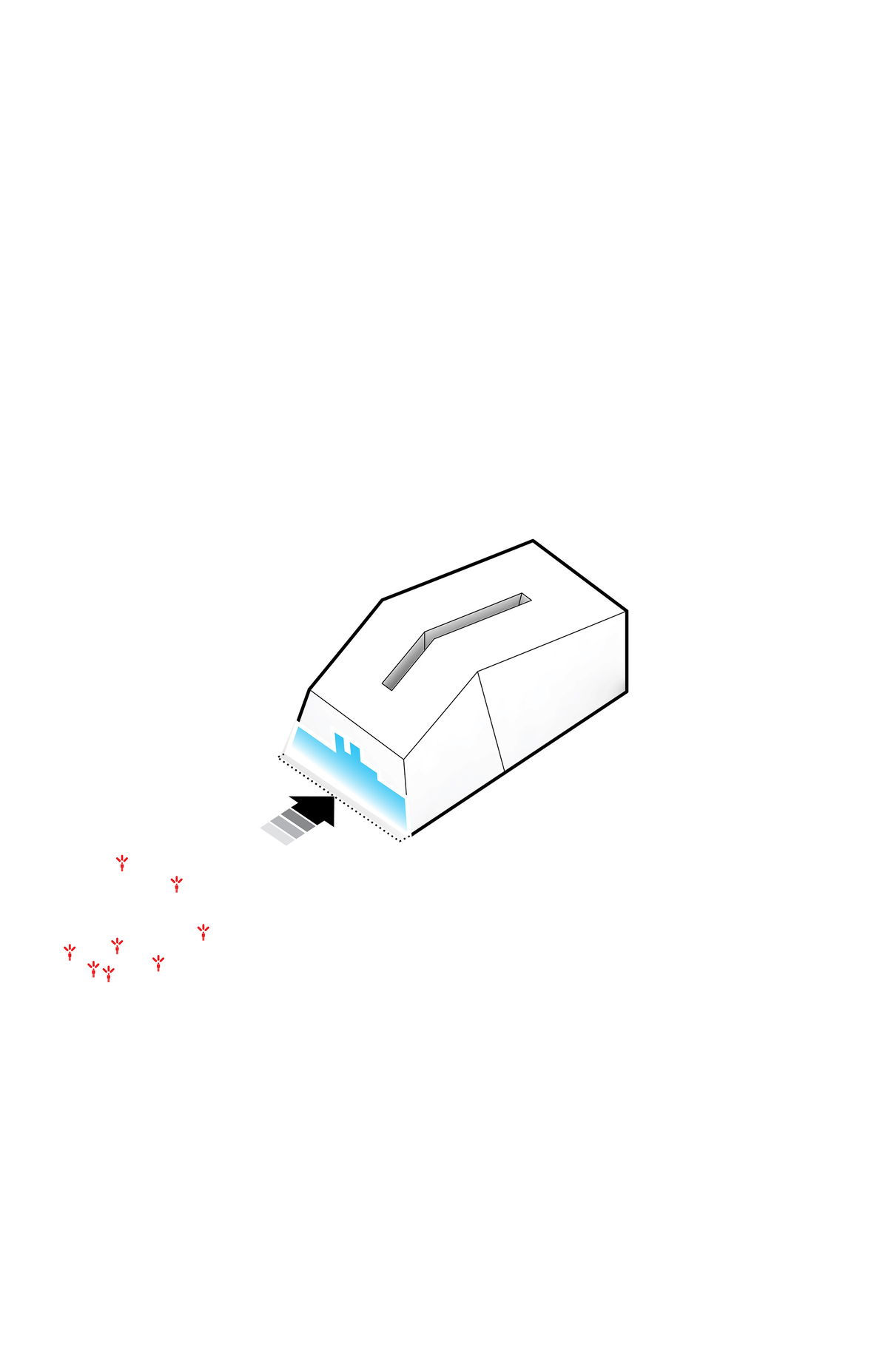
Deformation towards Notre Dame — The façade facing the square is angled 5 degrees, creating a mirror image of the skyline of Paris and the Notre Dame visible from the IMA Square.
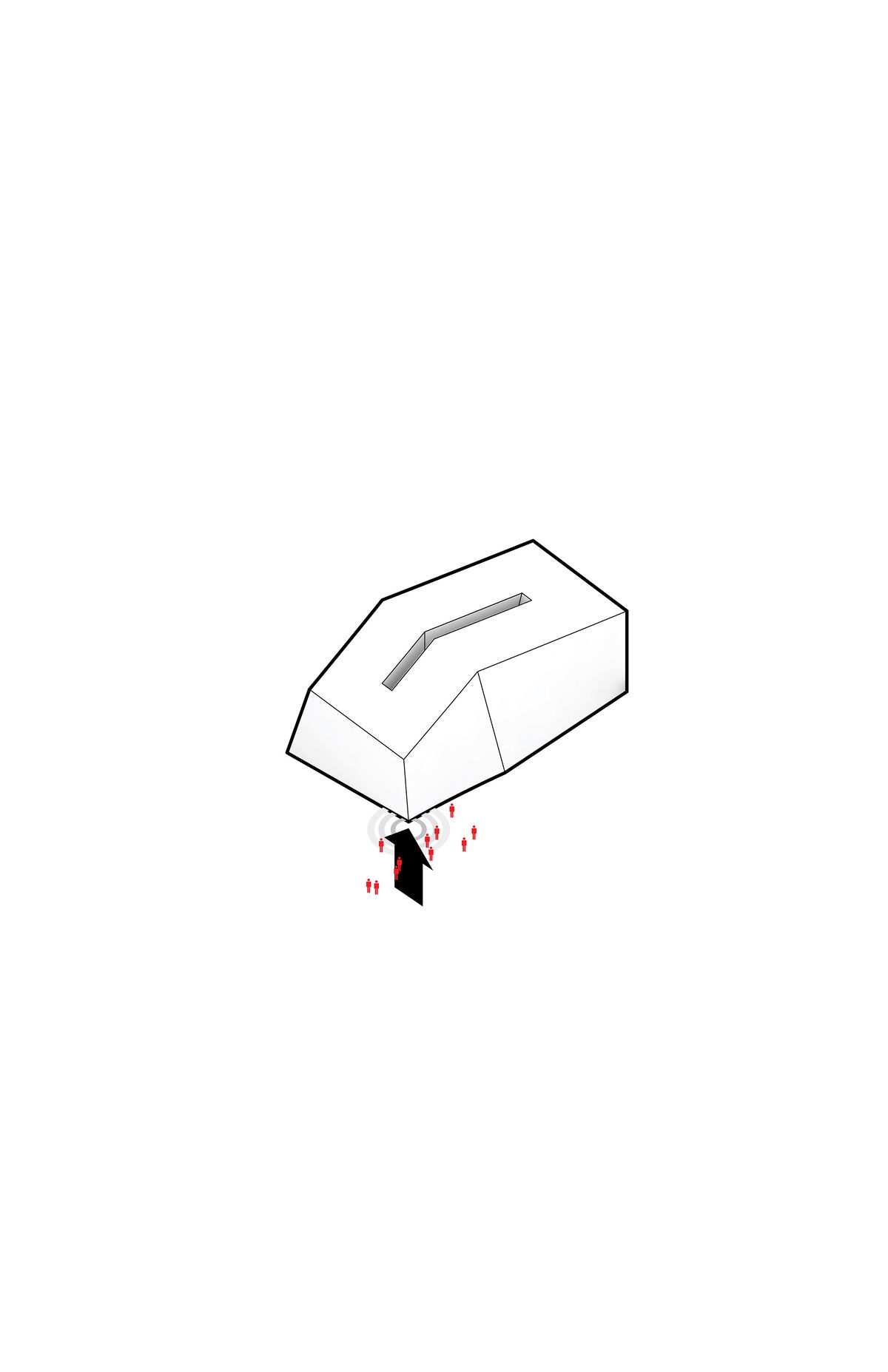
Opening towards the square — The building volume is lifted in the corner, creating a public entrance and visually connecting the atrium with the square.
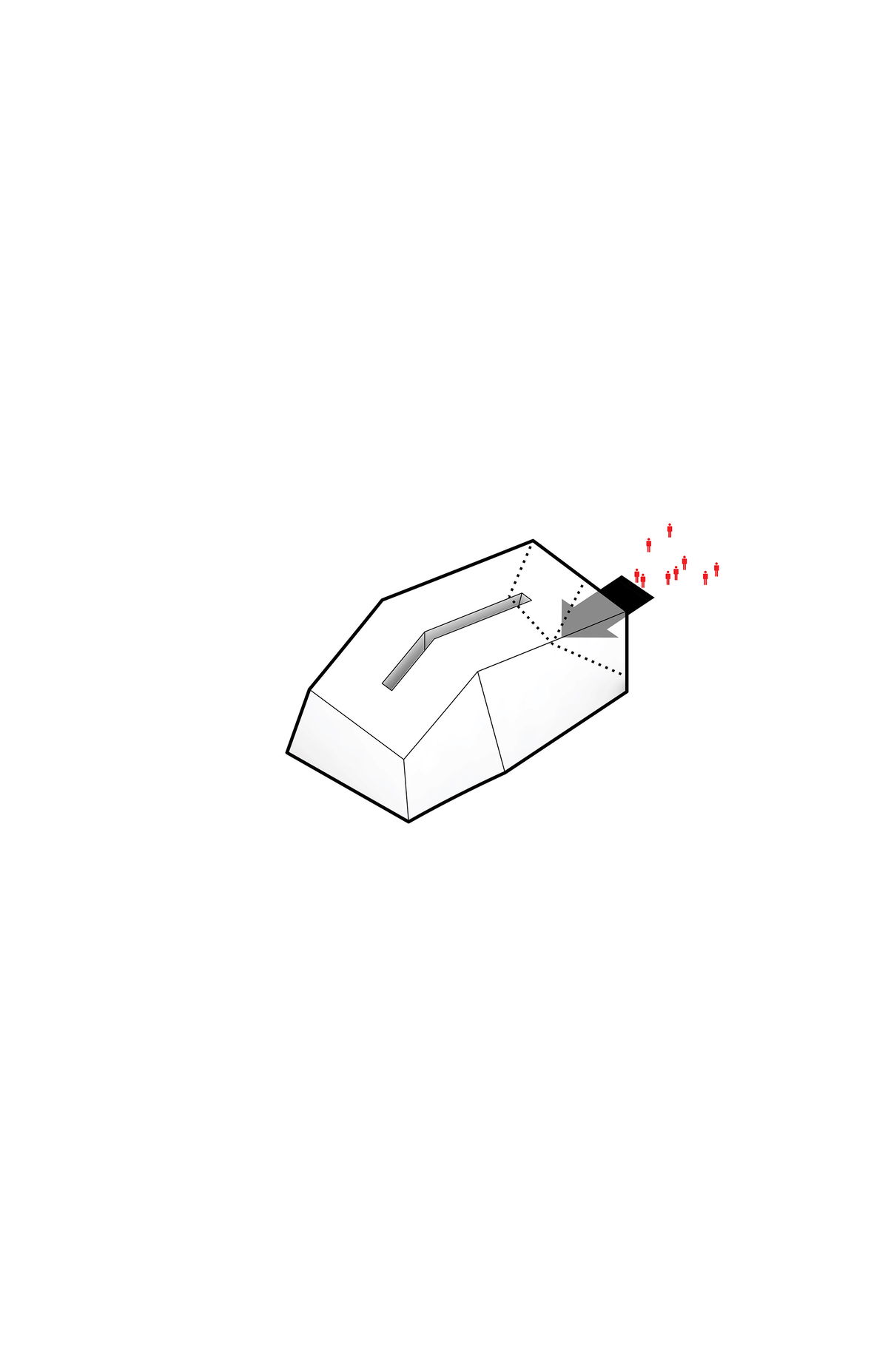
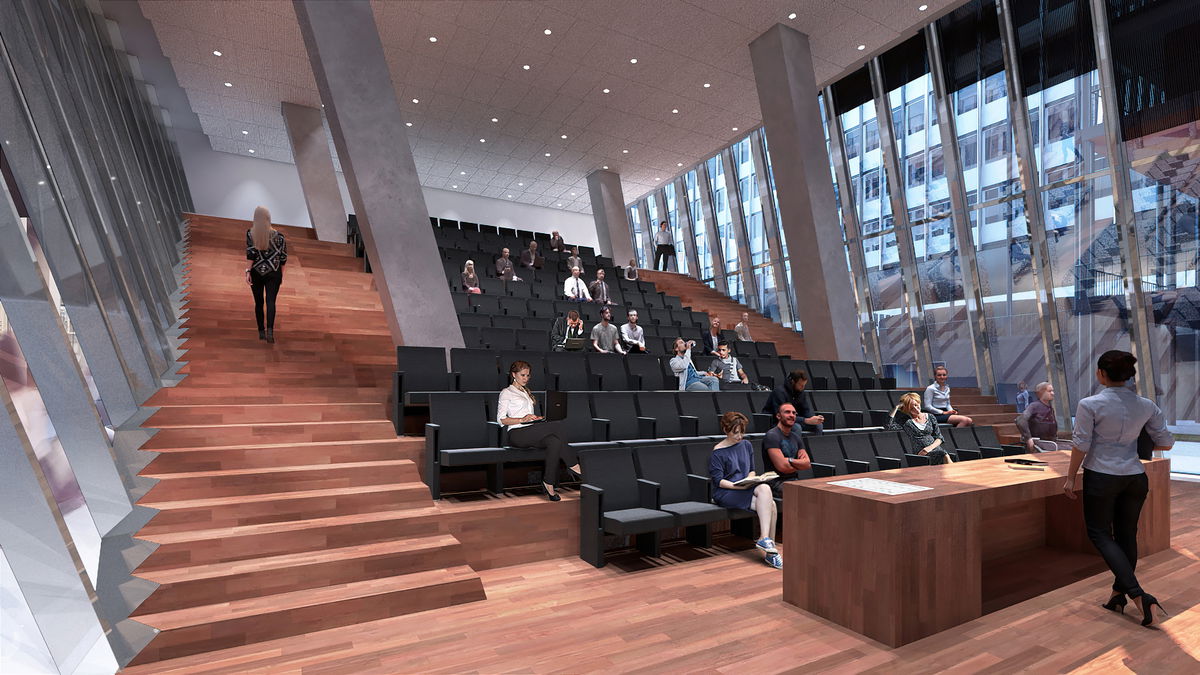
Opening towards the park — Towards the park, the envelope is pushed in slightly to create a canopy above the entrance to the conference facilities.
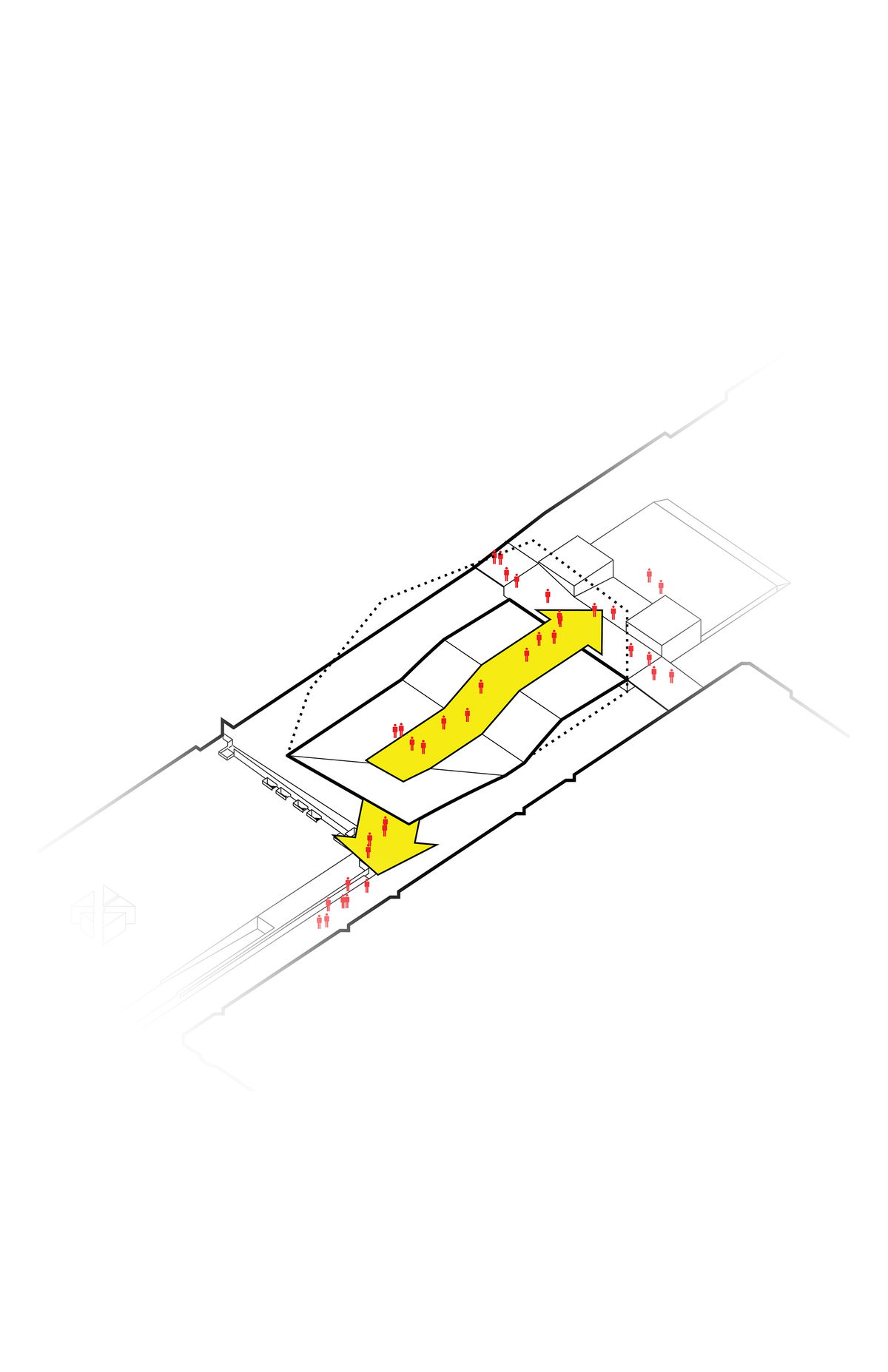
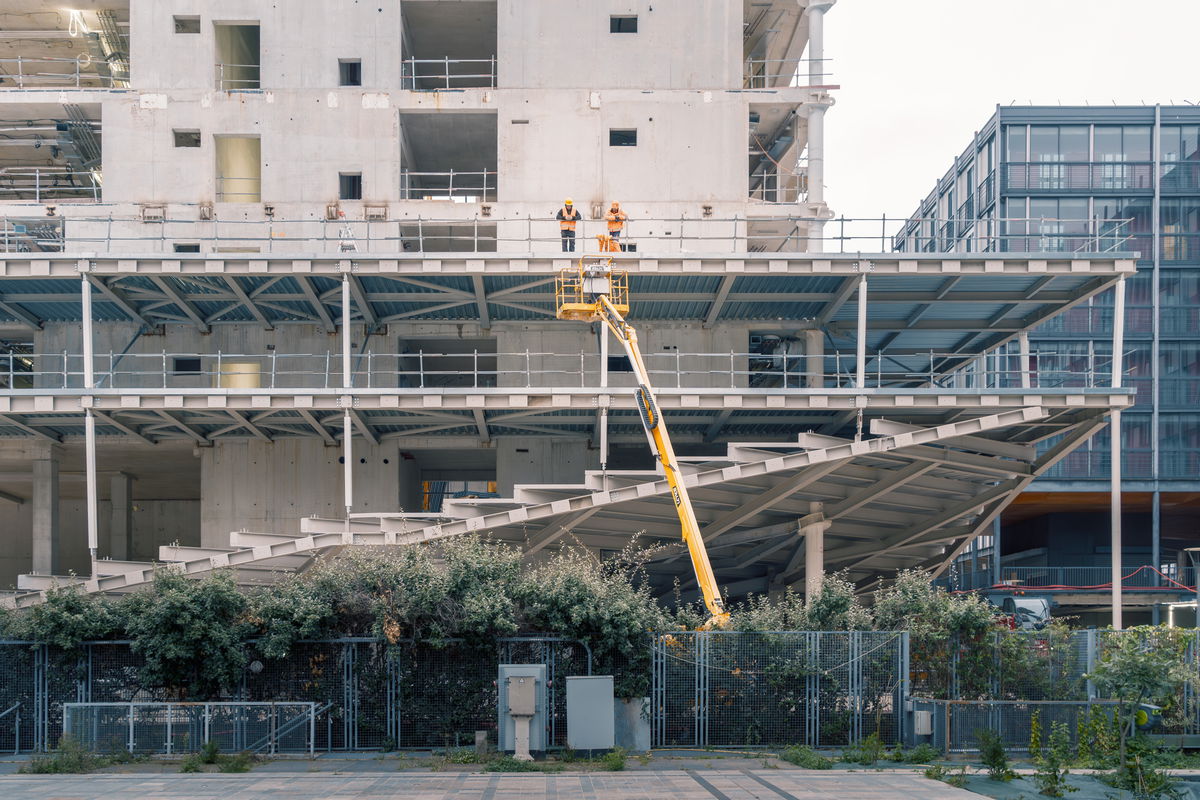
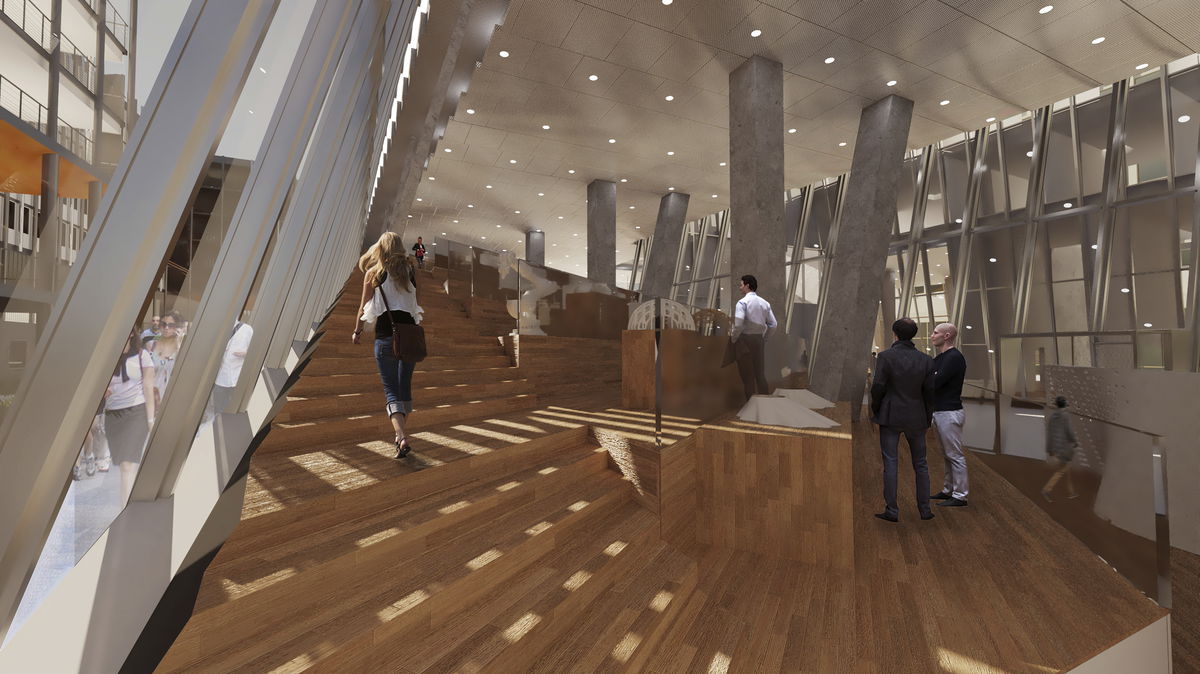
Folded ground floor — The public ground floor containing the café, the bookstore, and the conference facilities becomes a folded carpet connecting the different height levels of the park, the plinth, and the square.
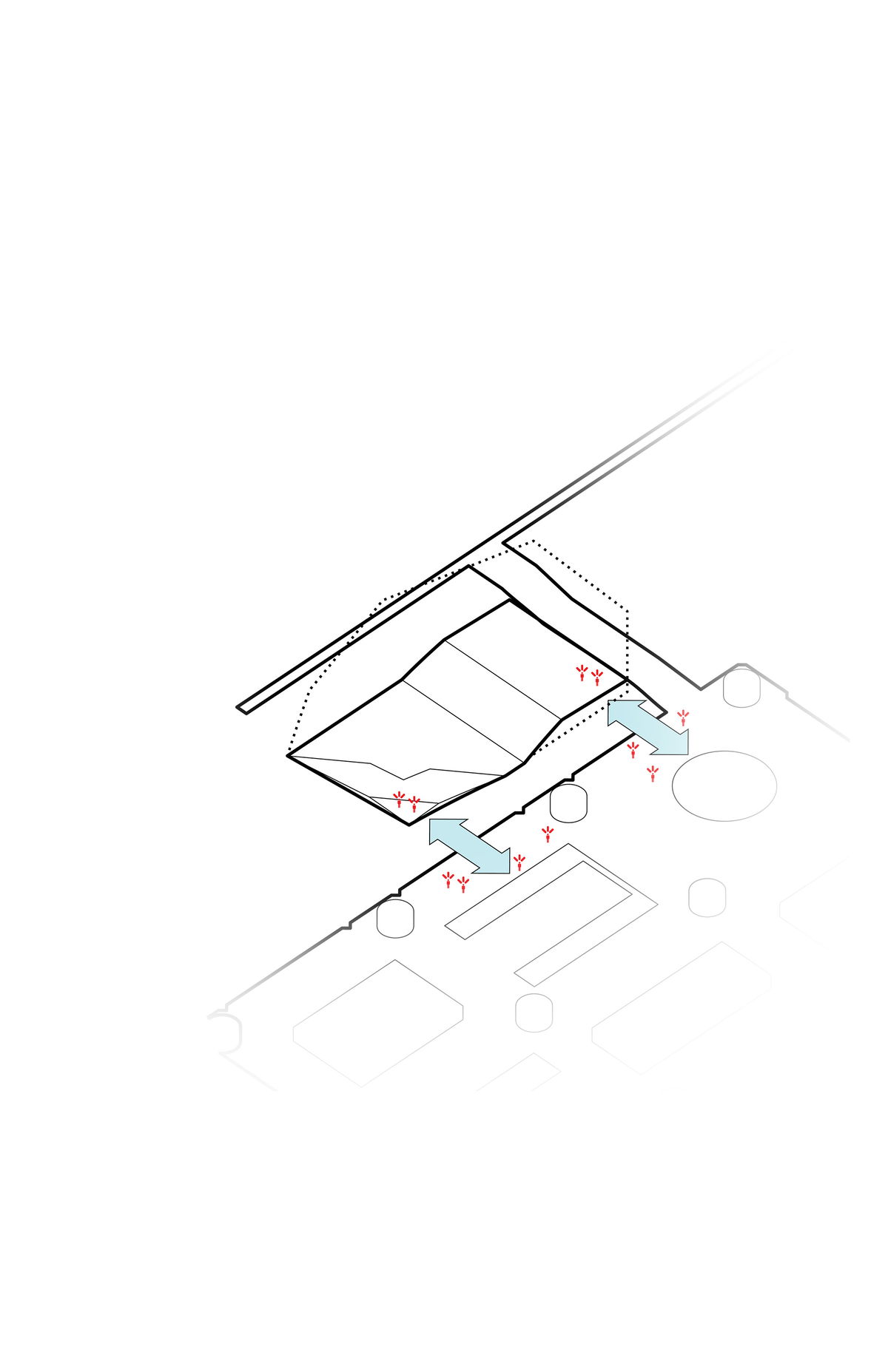
Connection to elevated plinth — Visually, the ground floor links the plinth to the street level and strengthens the connection between the Jussieu campus and the urban flow of the city.
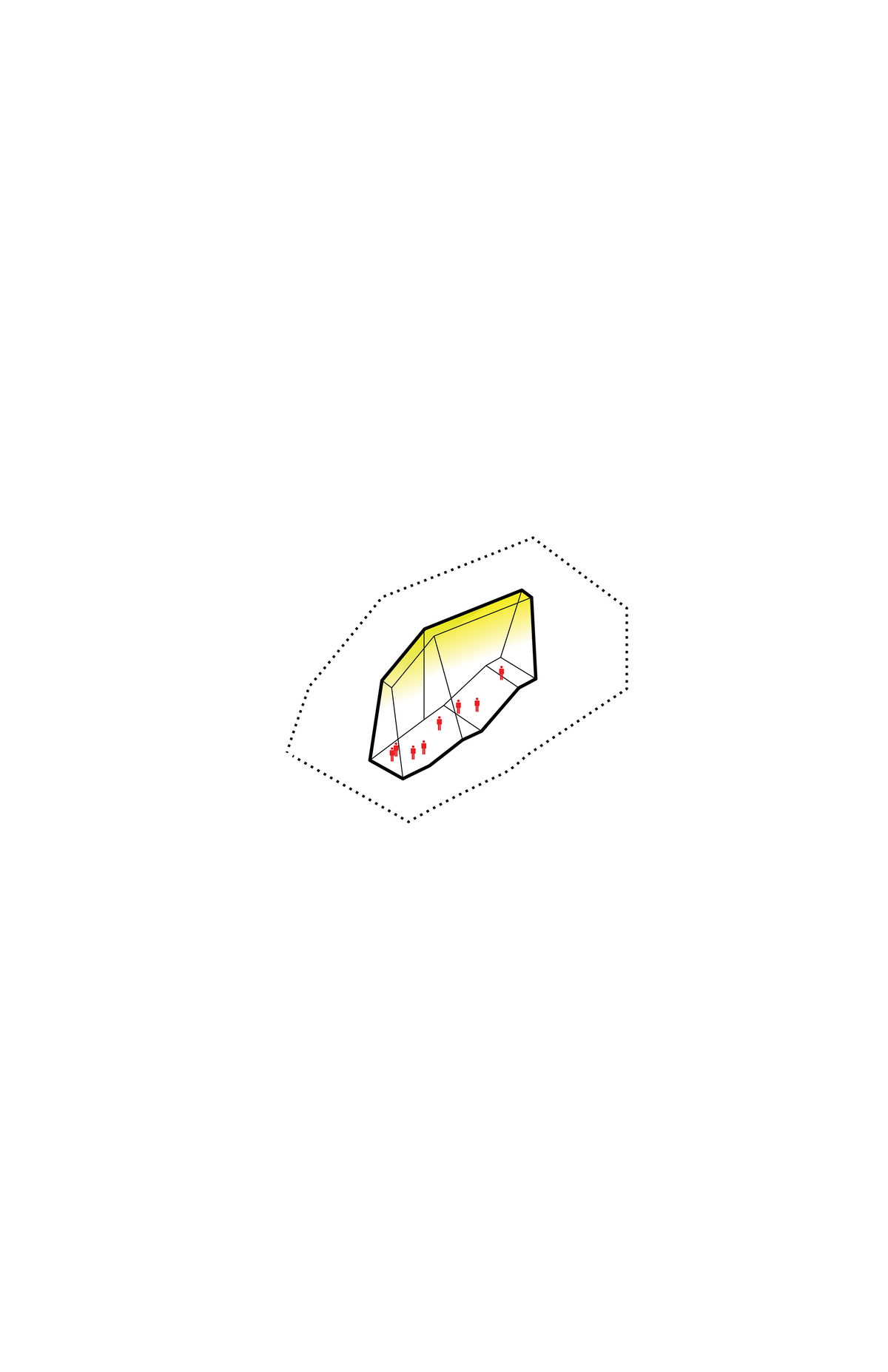
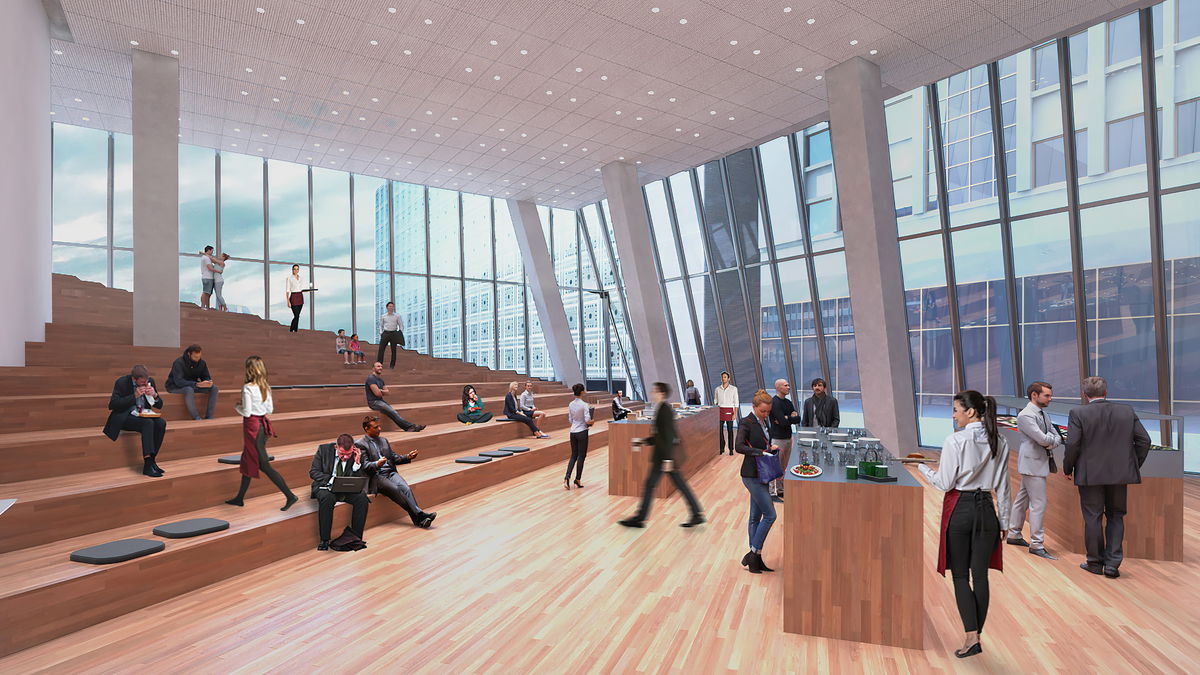
Canyon — The grand atrium becomes a sculptural daylit canyon - a physical and visual meeting point connecting all users of the building - promoting exchange and sharing between researchers, companies, and visitors.
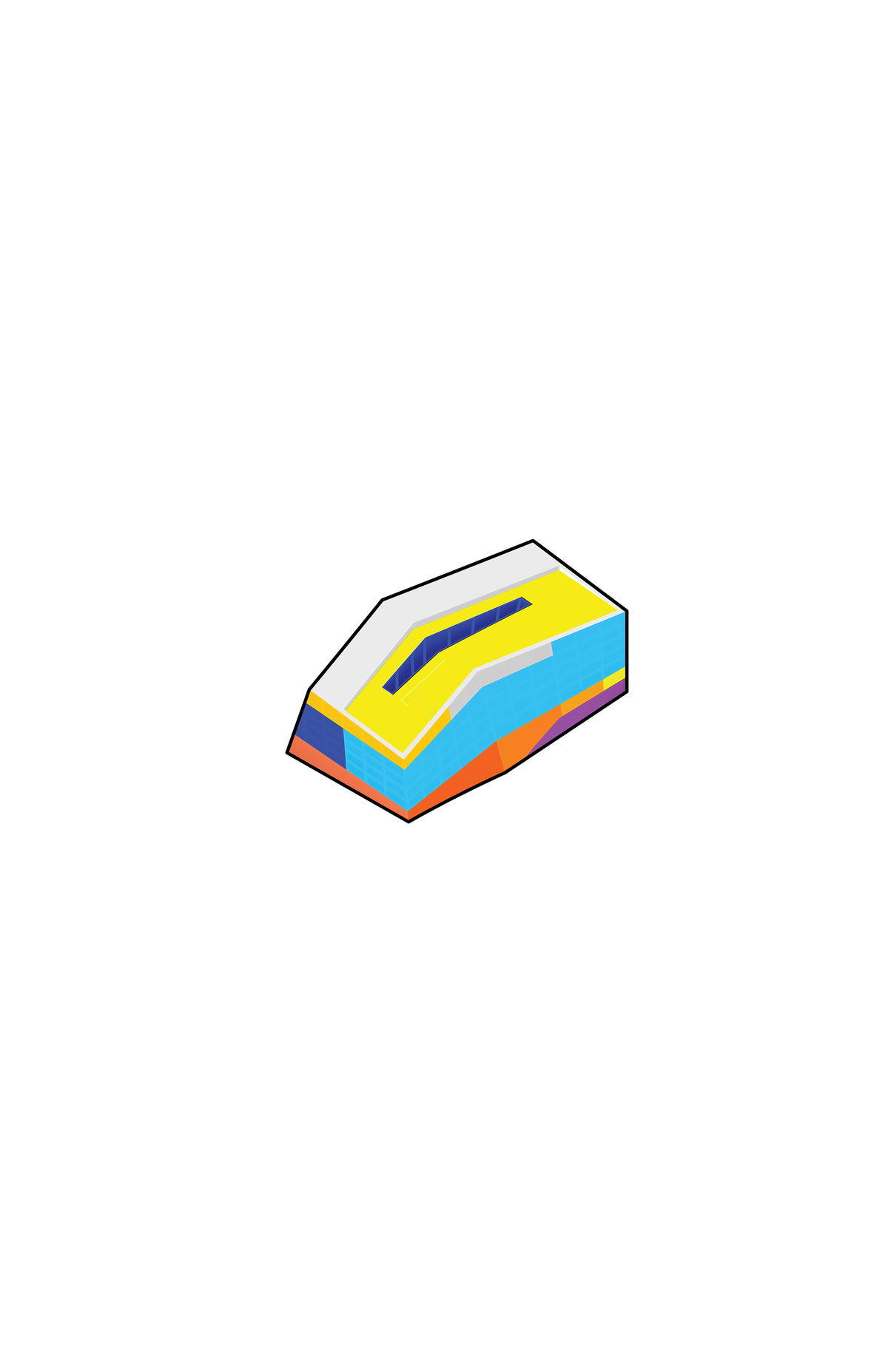
Functions — The laboratories and offices are located on the regular floor plans between the public levels at ground floor and the roof.
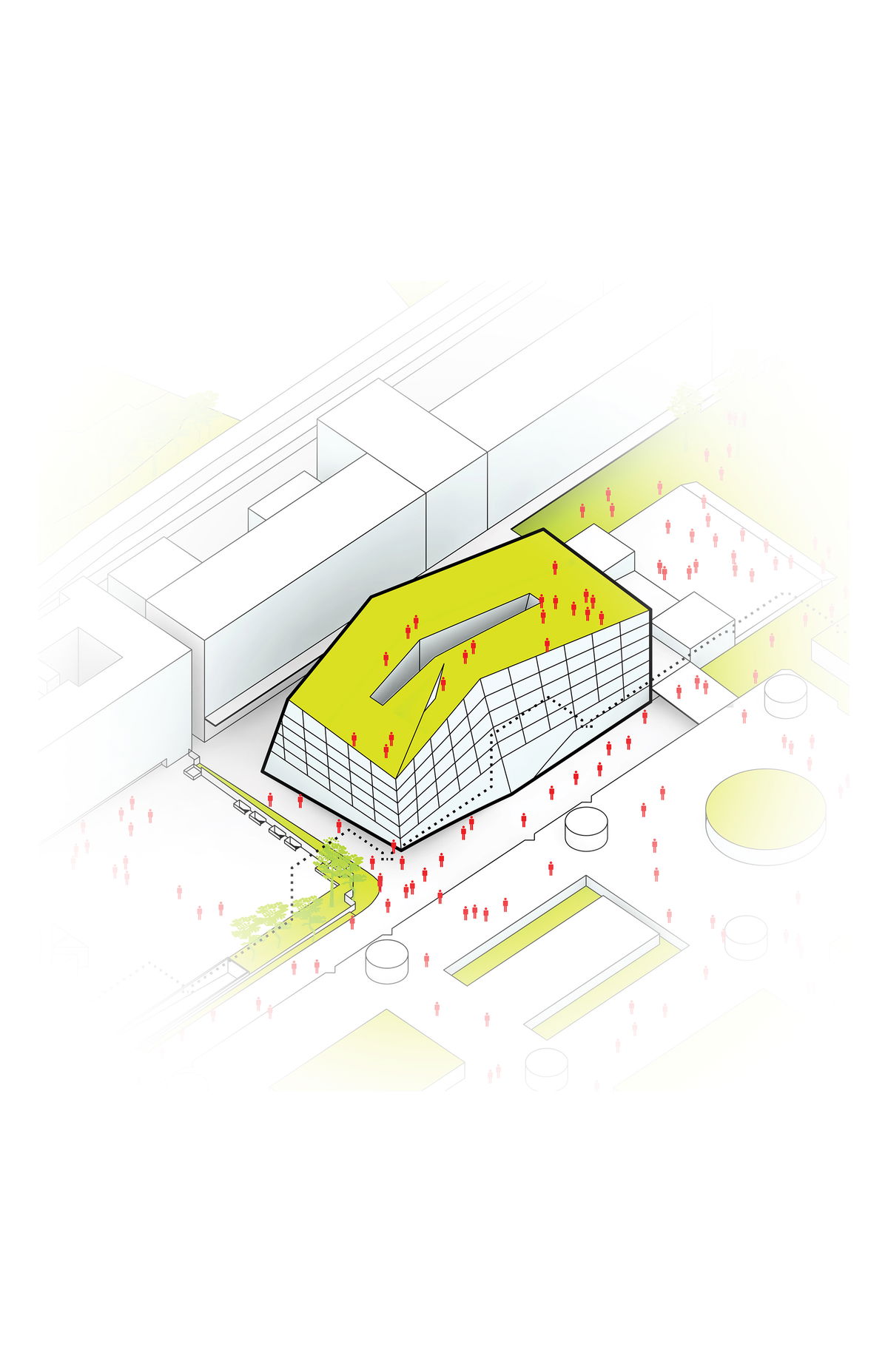
Cité de l’innovation Sorbonne Université — The open space of the atrium and the publicly accessible recreational rooftop relinks the park and the square in a continuous green axis, following the original intentions of the masterplan.

“Like a scientific incubator, Cité de l’innovation Sorbonne Université will provide the physical environment for nurturing growth of cultures and sharing of ideas - through the internal mix of laboratories, research facilities, and informal meeting spaces, and through a reunification with the public life of the city."Andreas Klok Pedersen - Partner, BIG




Partner in Charge
Andreas Klok Pedersen
Bjarke Ingels
Jakob Sand
Project Manager
Gerhard Pfeiler
Robert Grimm
Project Leader
Francisco Castellanos
Jose Ignacio Balaguer Palacios
Project Team
Aimee Desert
Alex Bogdan Ritivoi
Alexander Codda
Alexander Gale Heiede
Alexandre Carpentier
Alžbeta Hlinová
Amro Abdelsalam
Andrea Angelo Suardi
Antonina Tsepurnohh
Bernhard Touzet
Boris Kadiyski
Camille Crepin
Daniel Sundlin
Edouard Boisse
Elena Bresciani
Fabio Garau
Filip Fot
Filip Rozkowski
Finn Nørkjær
Francois Ducatez
Gabrielle Nadeau
Giovanni Salvatore Bitonti
Gül Ertekin
Iman Marie Khadidja Lassan
Jean Paysant
Jesús Fernández Fraile
Laurent de Carnière
Leo Costa
Lucie Krulichova
Magnus Bay Kronow
Matteo Baggiarini
Michael Leef
Nanna Gyldholm
Quentin Blaising
Robinson Neuville
Sergiu Calacean
Simona Reiciunaite
Sorcha Burke
Tiina Liisa Juuti
Tobias Hjortdal
Yang Du
BIG Engineering
Andrea Hektor
Andreas Bak
Andy Coward
Bjarke Koch-Ørvad
Cæcilie Søs Brandt-Olsen
Duncan Horswill
Edward Durie
Emma Isabelle Olsson
Ewa Zapiec
Fernando Villalobos Lopez
Ingrid Albina Oliva Lampa
Janis Bronka
Jonathan Russell
Lore Vyfeyken
Ricardo Candel
Roberto Fabbri
Thomas Lejeune
Tim Christensen
Timo Harboe Nielsen
Collaborators
SPAN
OXO Architectes
Igrec Ingnierie
Bureau Michel Forgue
Franck Boutté Consultants
Theatre Projects
Geoff McFetridge