
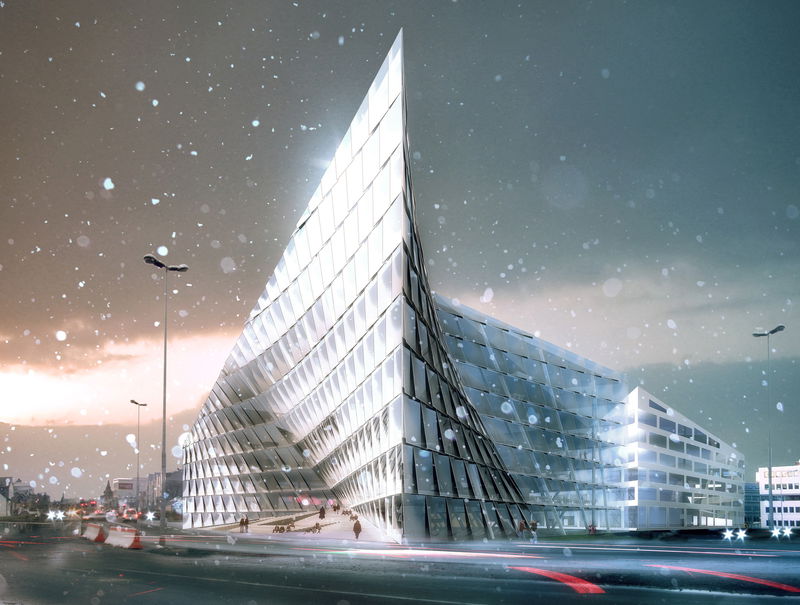

The National Bank of Iceland
Reykjavik, Iceland
Client
Landsbankinn
Typology
Work
Size m2/ft2
20,000 / 215,278
Status
Idea

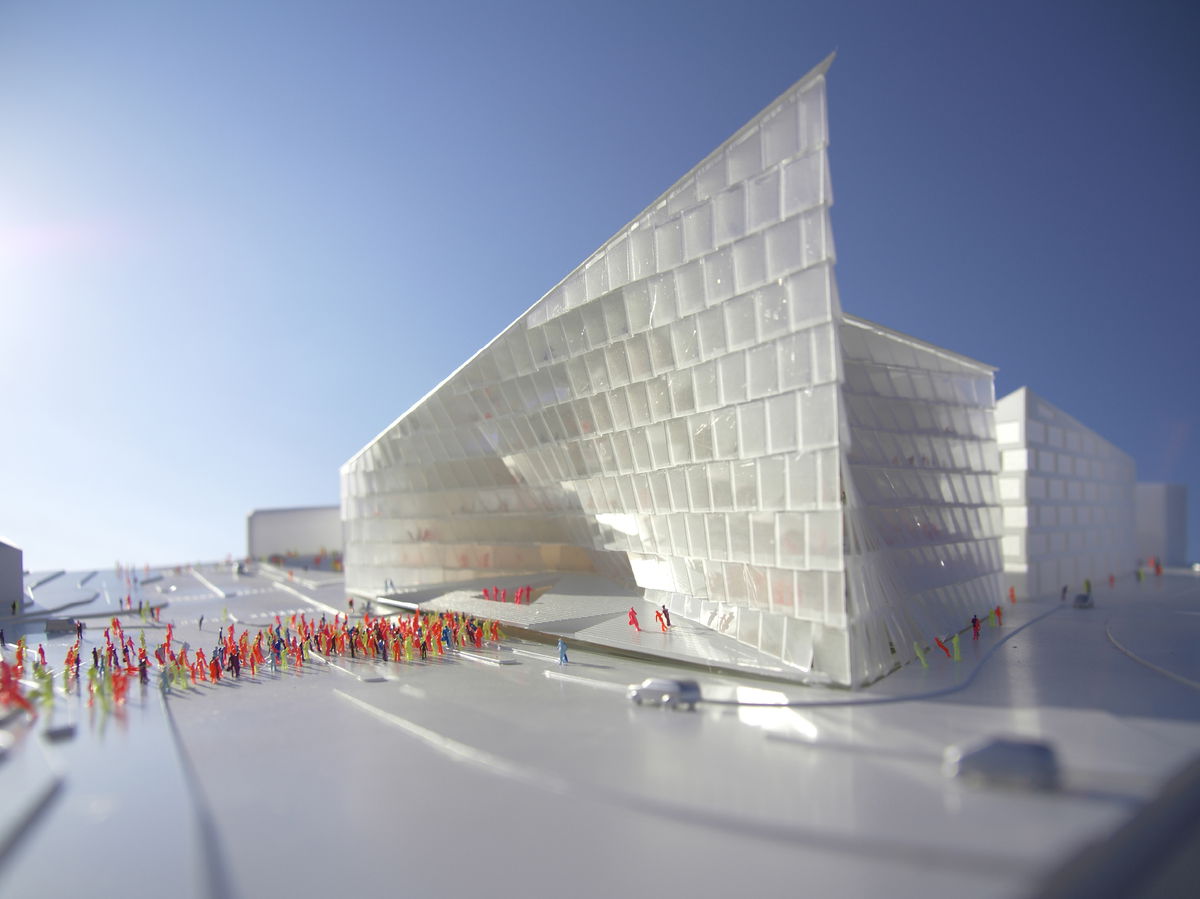
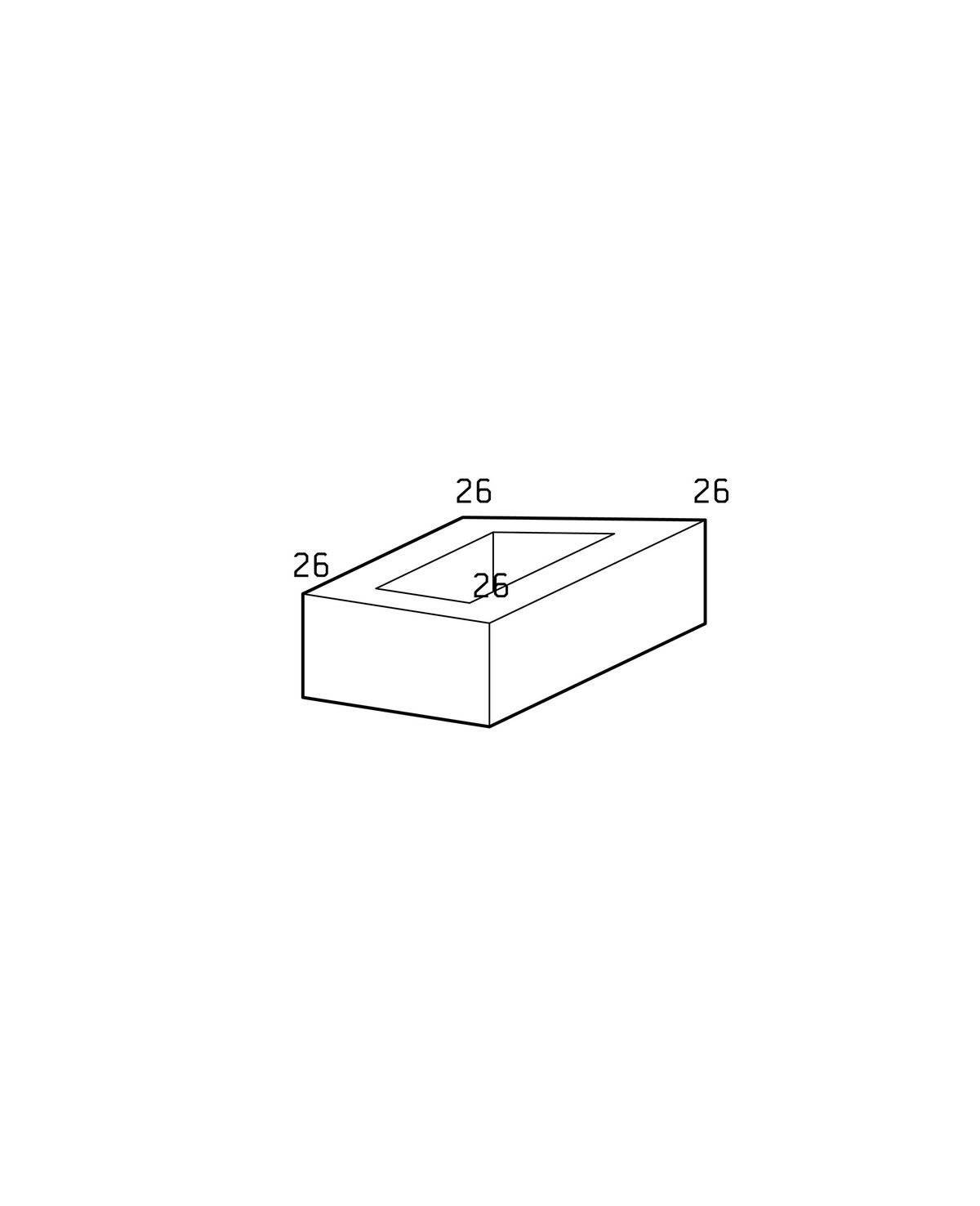
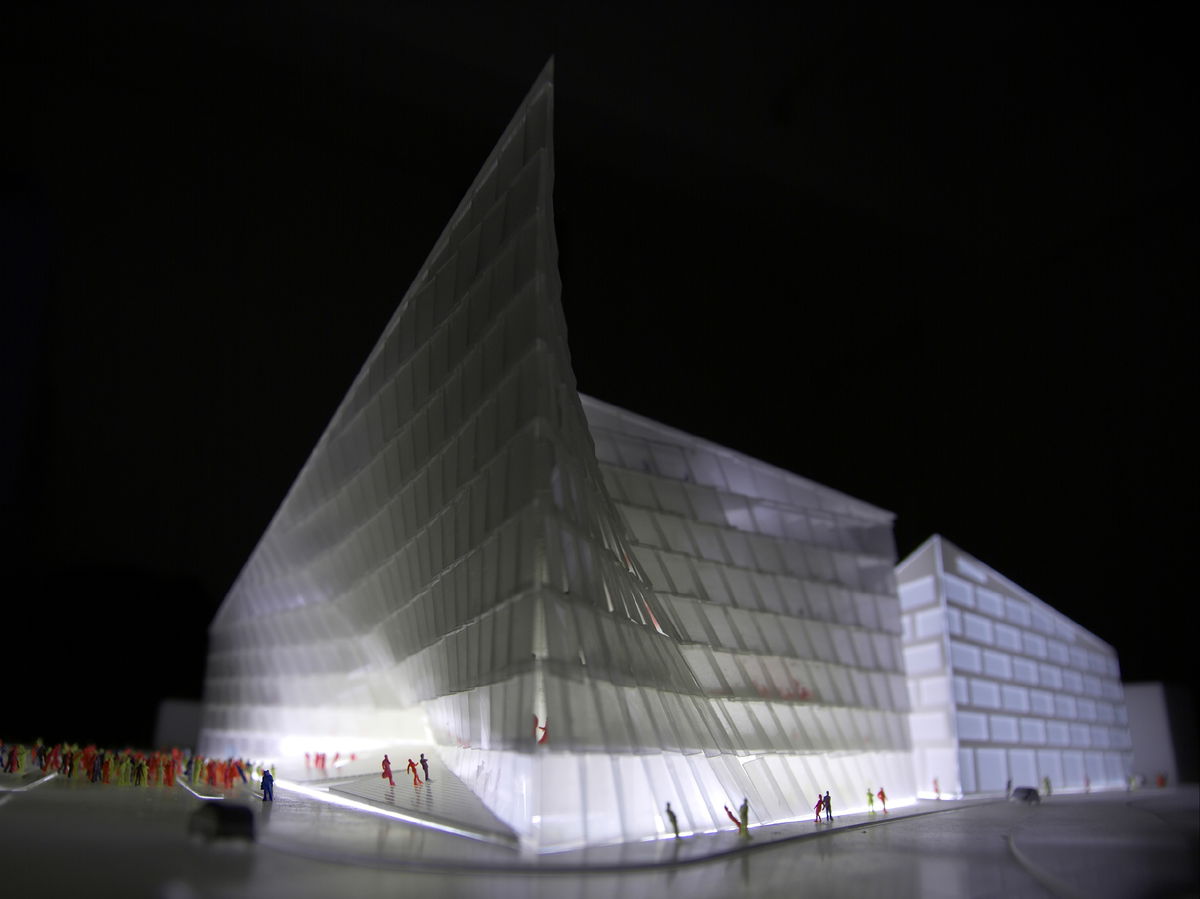
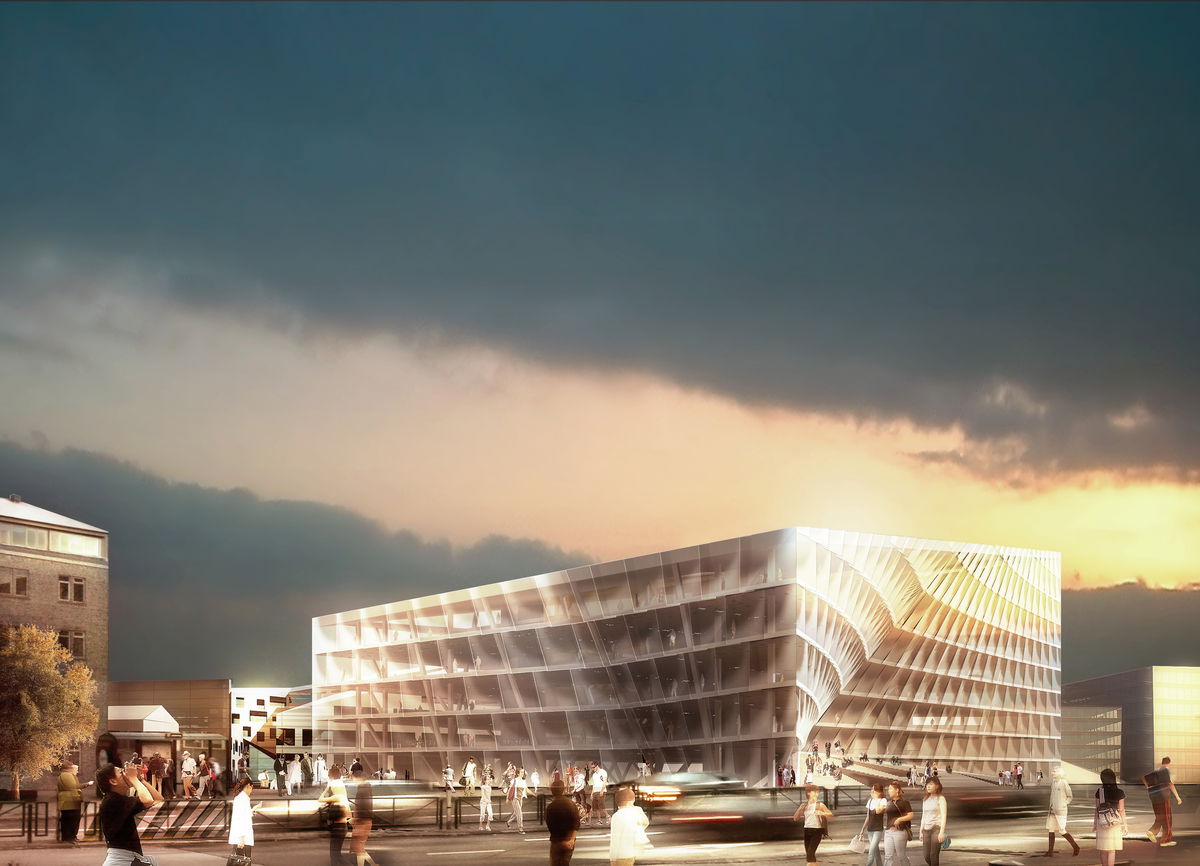
— Rather than blindly following the local plan, BIG proposed to tilt the roof of the urban block...
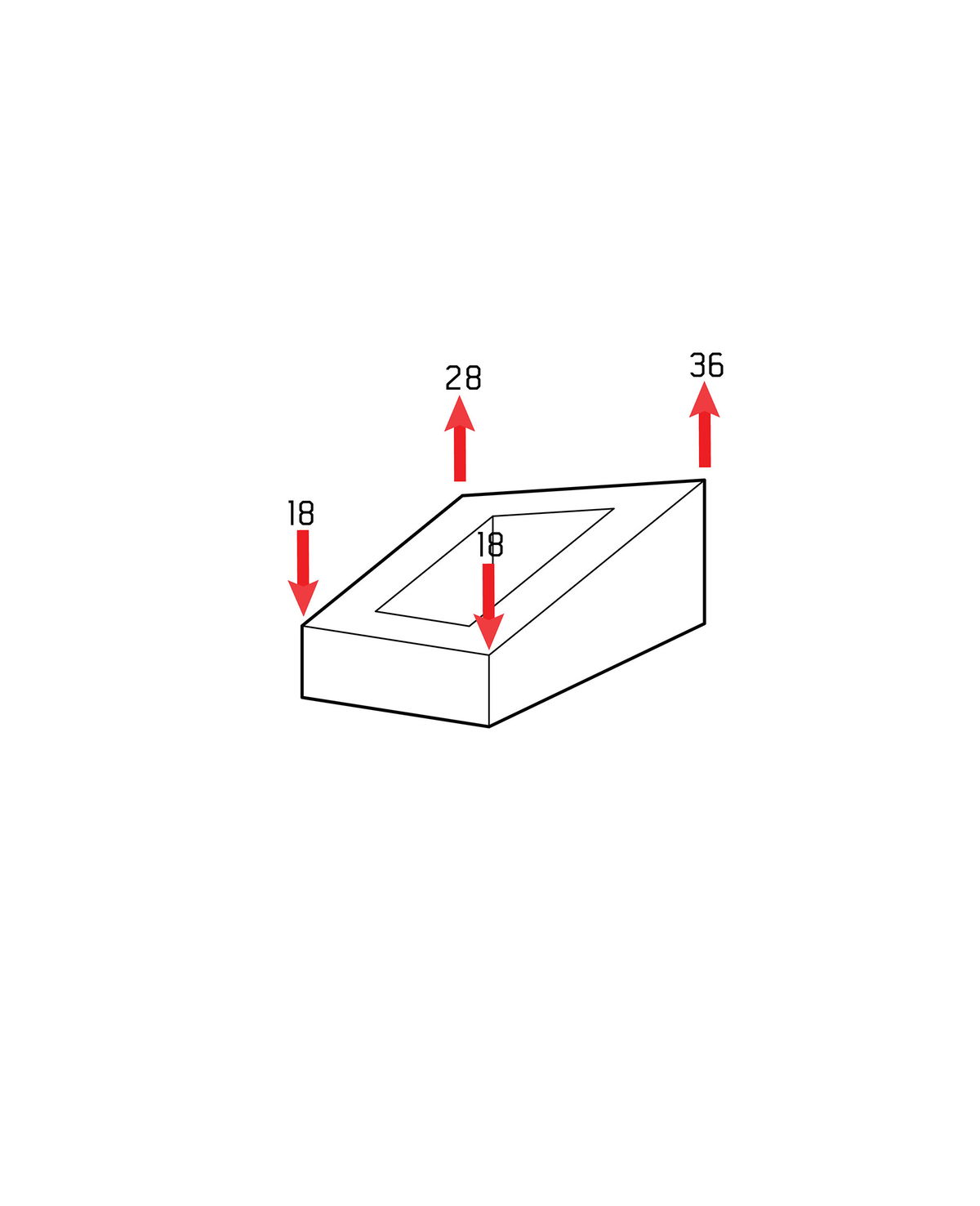
— ...to create a differentiated volume responding specifically to the immediate surroundings.
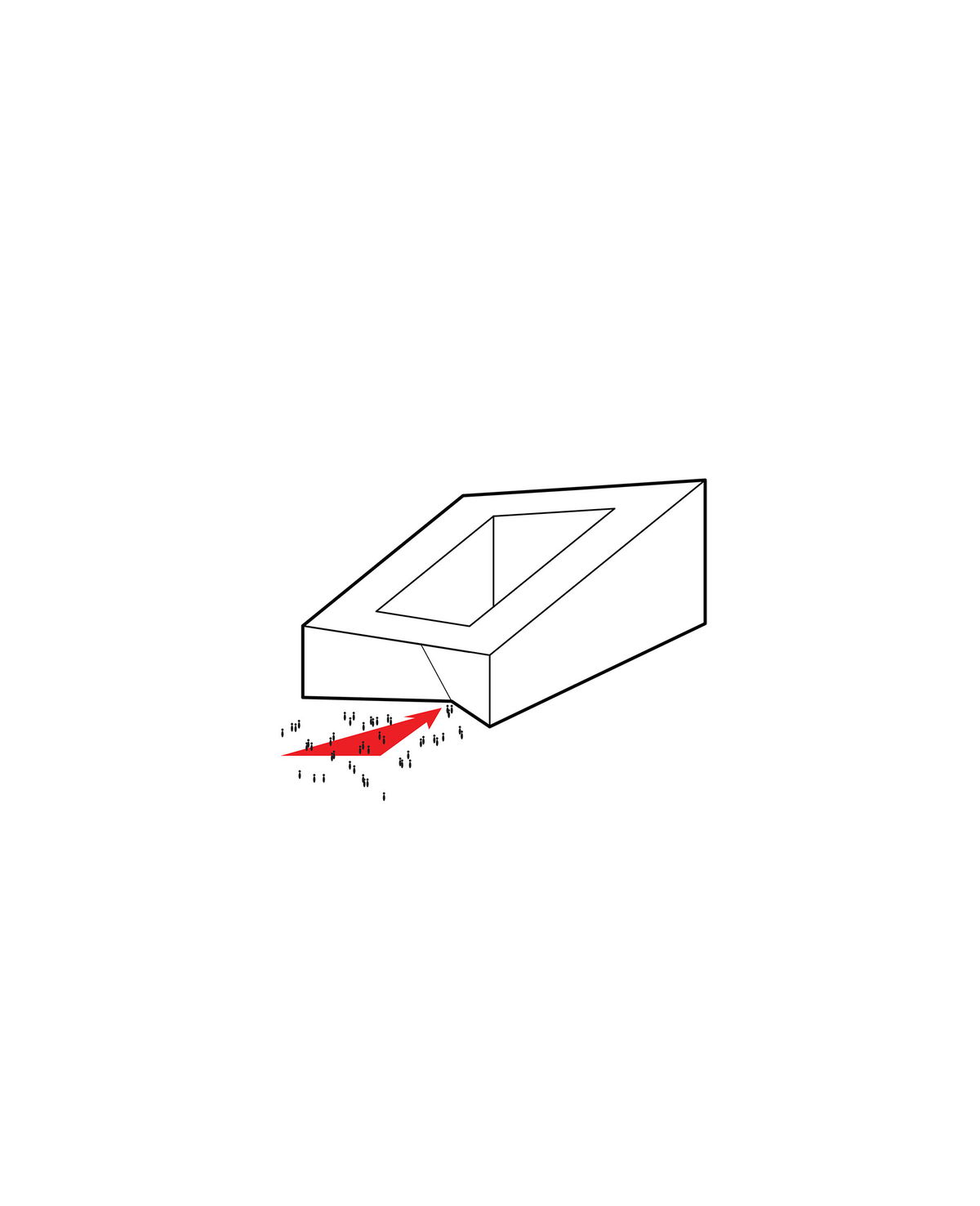
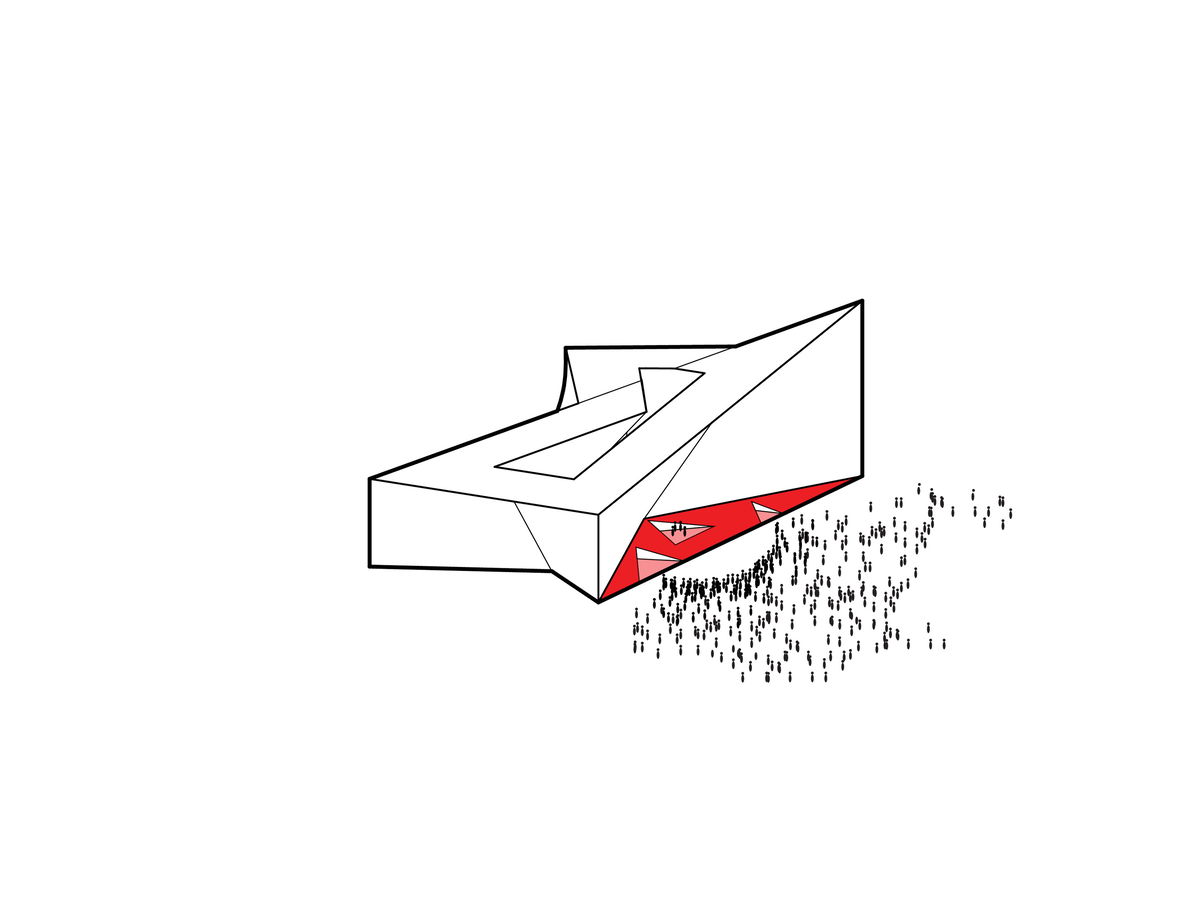
— Towards Lækjartorg the entire facade would cave in, creating a covered extension of the square, allowing citizens to linger under the shelter of the bank.
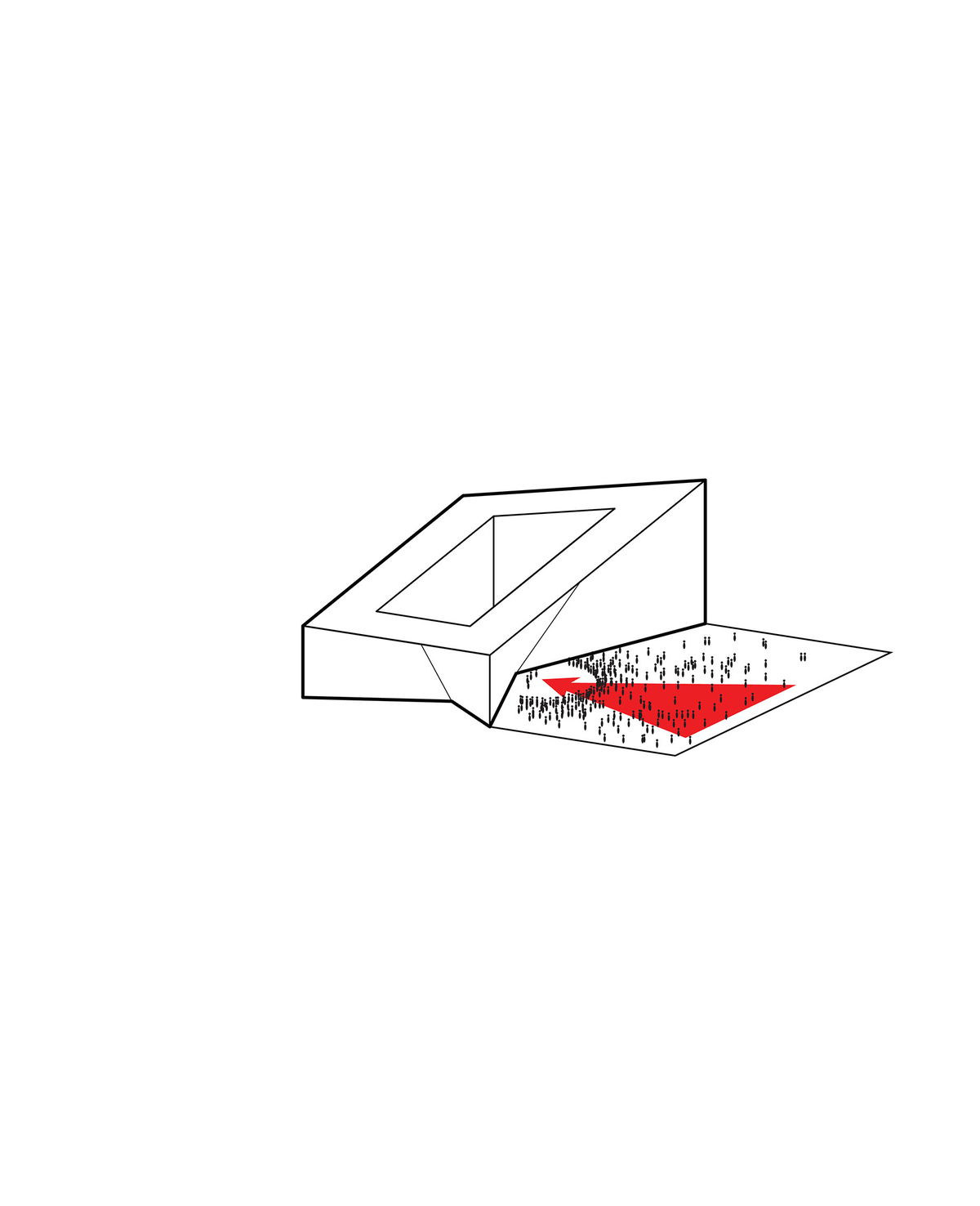
— Towards Arnarhóll the façade would cave in to create an urban stage exactly where the national day celebrations take place.
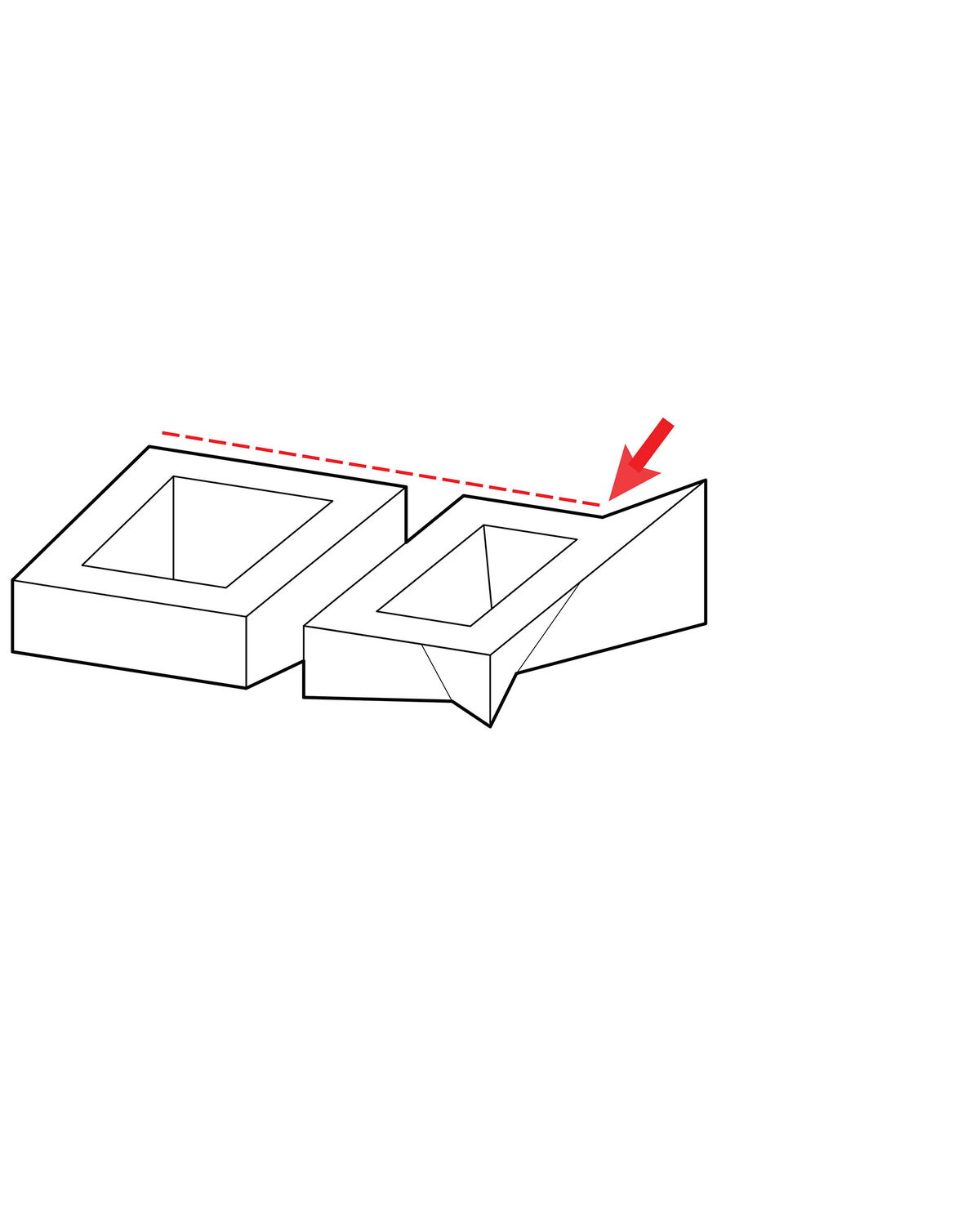
— The north facade was pulled back to align with the urban waterfront along Geiersgata.
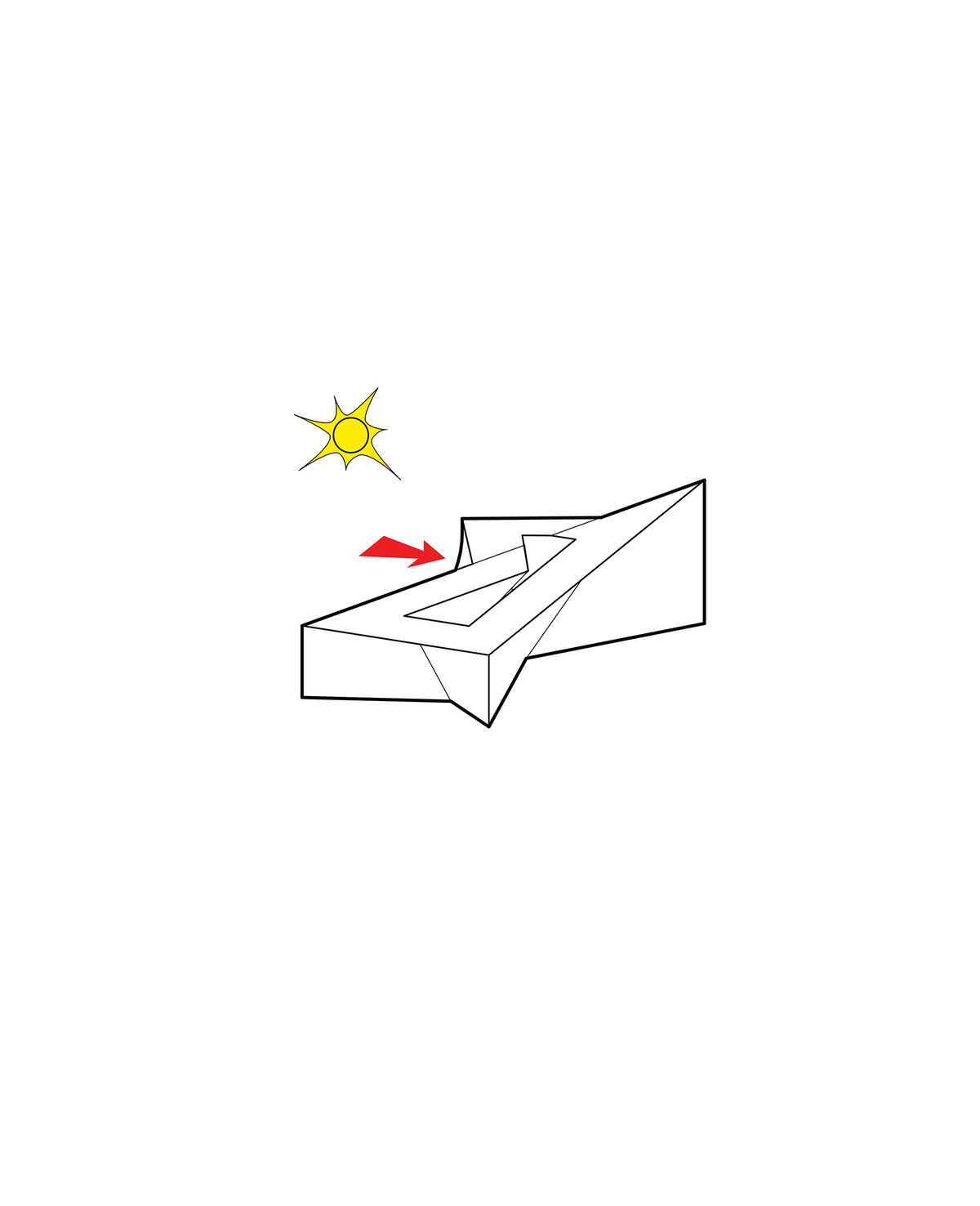
— The roofline of the block was pulled back away from the cultural path, transforming it from a narrow crack to a well-illuminated canyon.
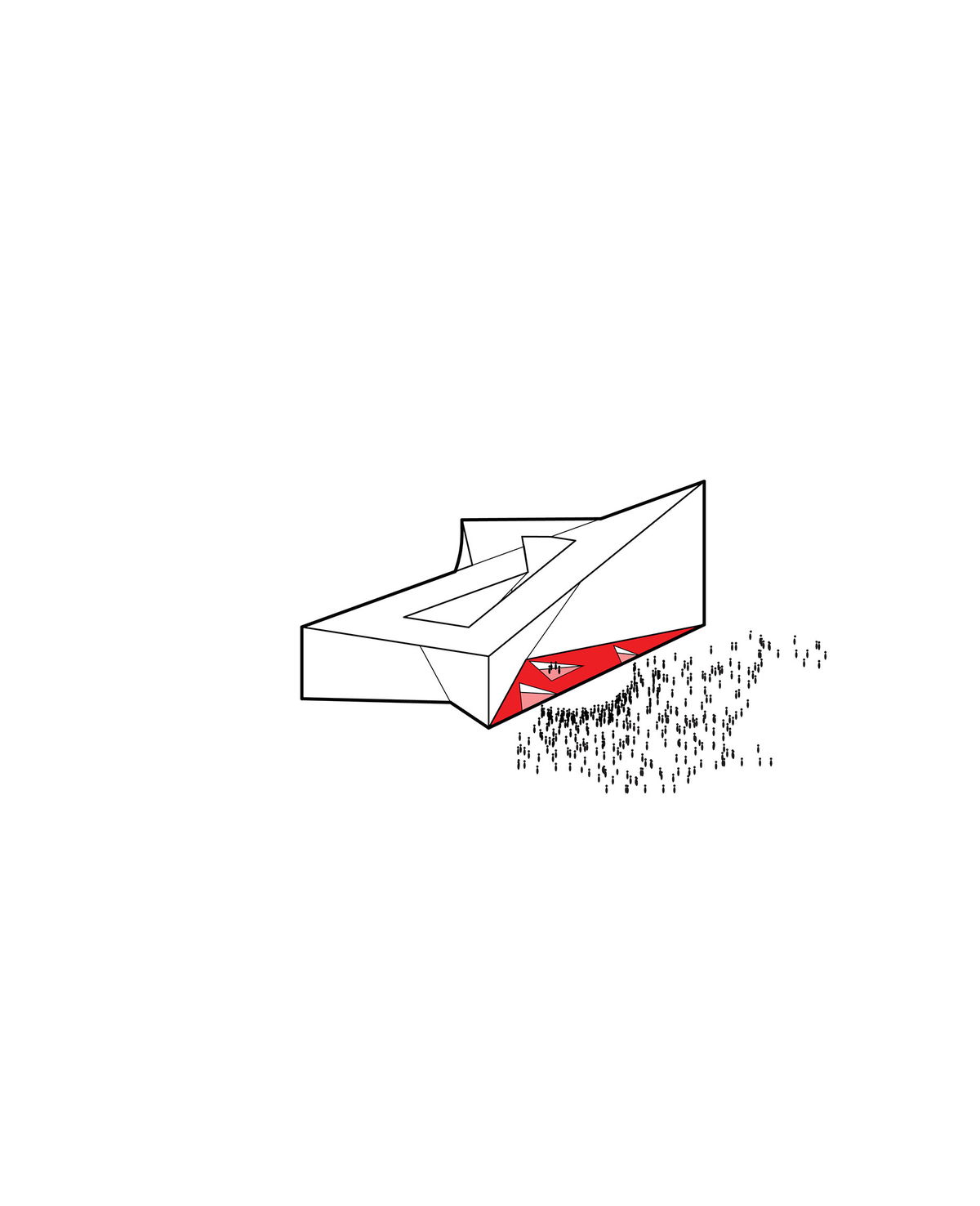
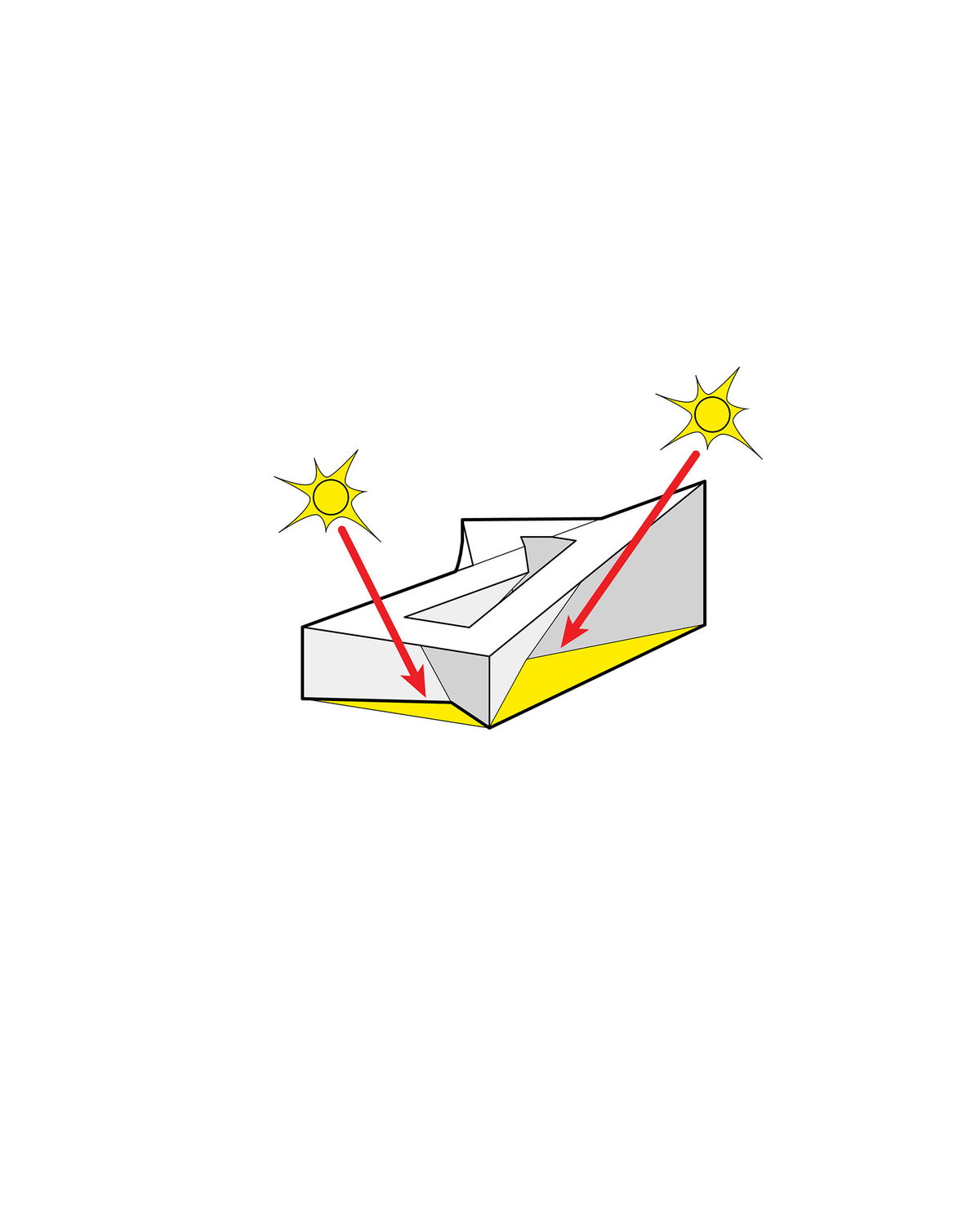
— Towards the south and west the façade is pulled back to create 2 sunlit caves while minimizing direct sunlight on the facades.
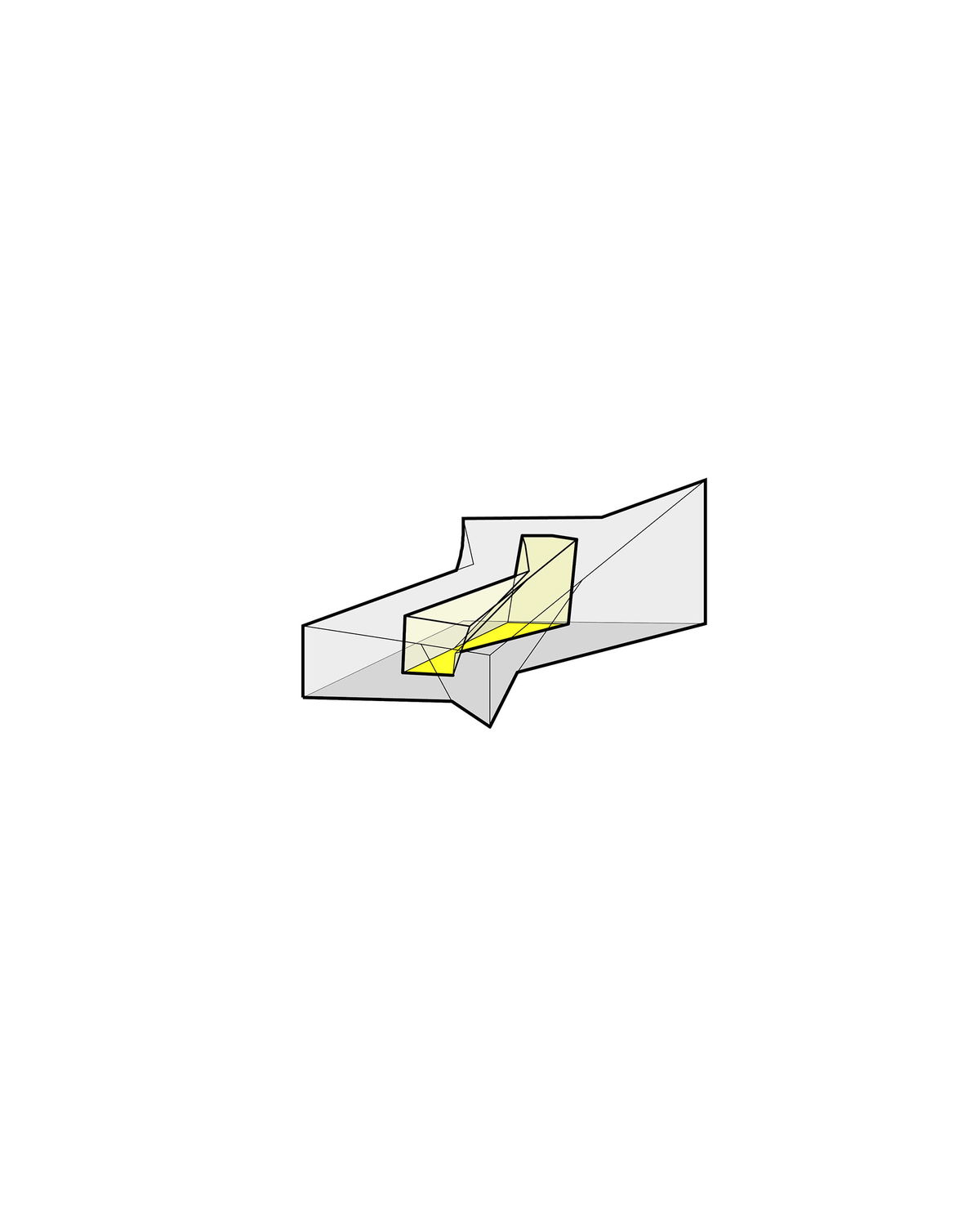
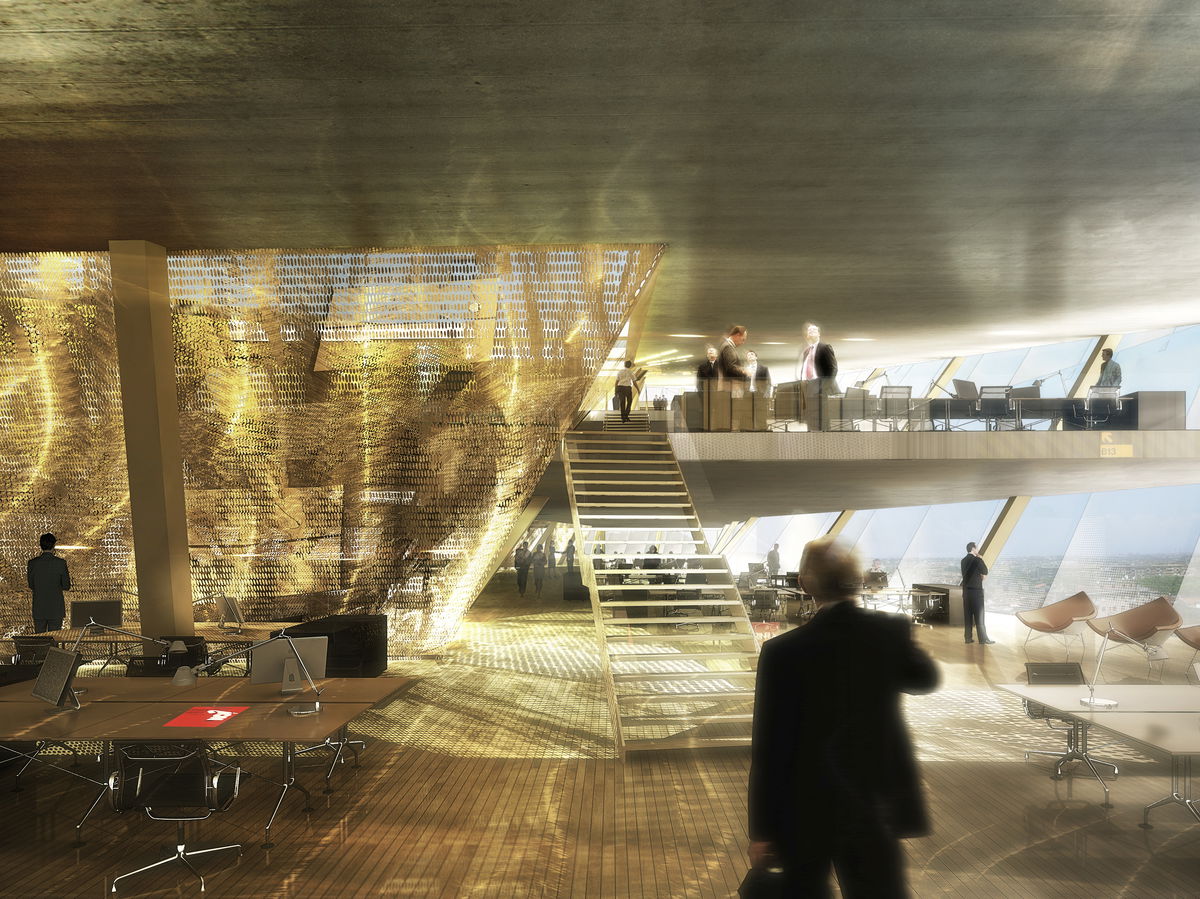
— Finally the two receding facades form an urban archway over the central courtyard, turning it into an urban void illuminated by a zigzag-shaped skylight, like a crack in a glacier.


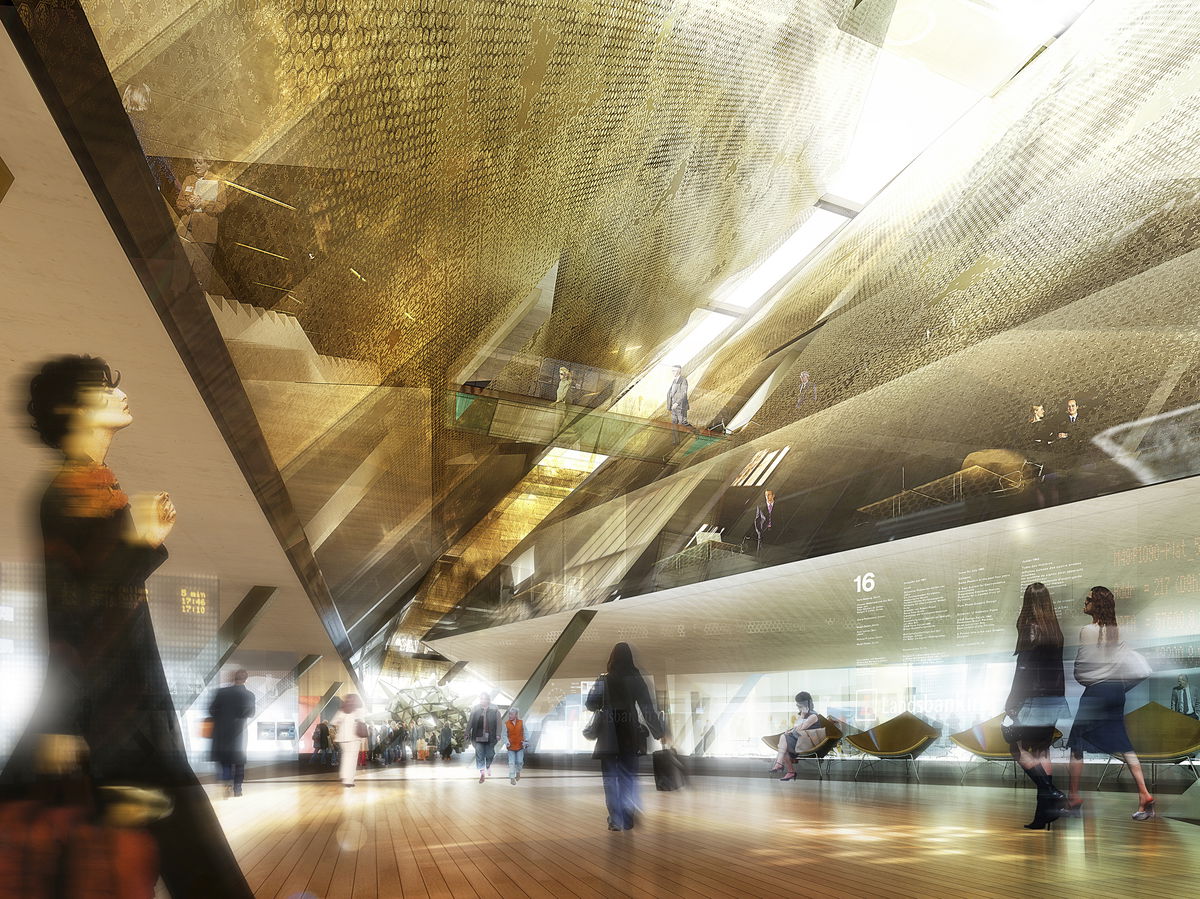
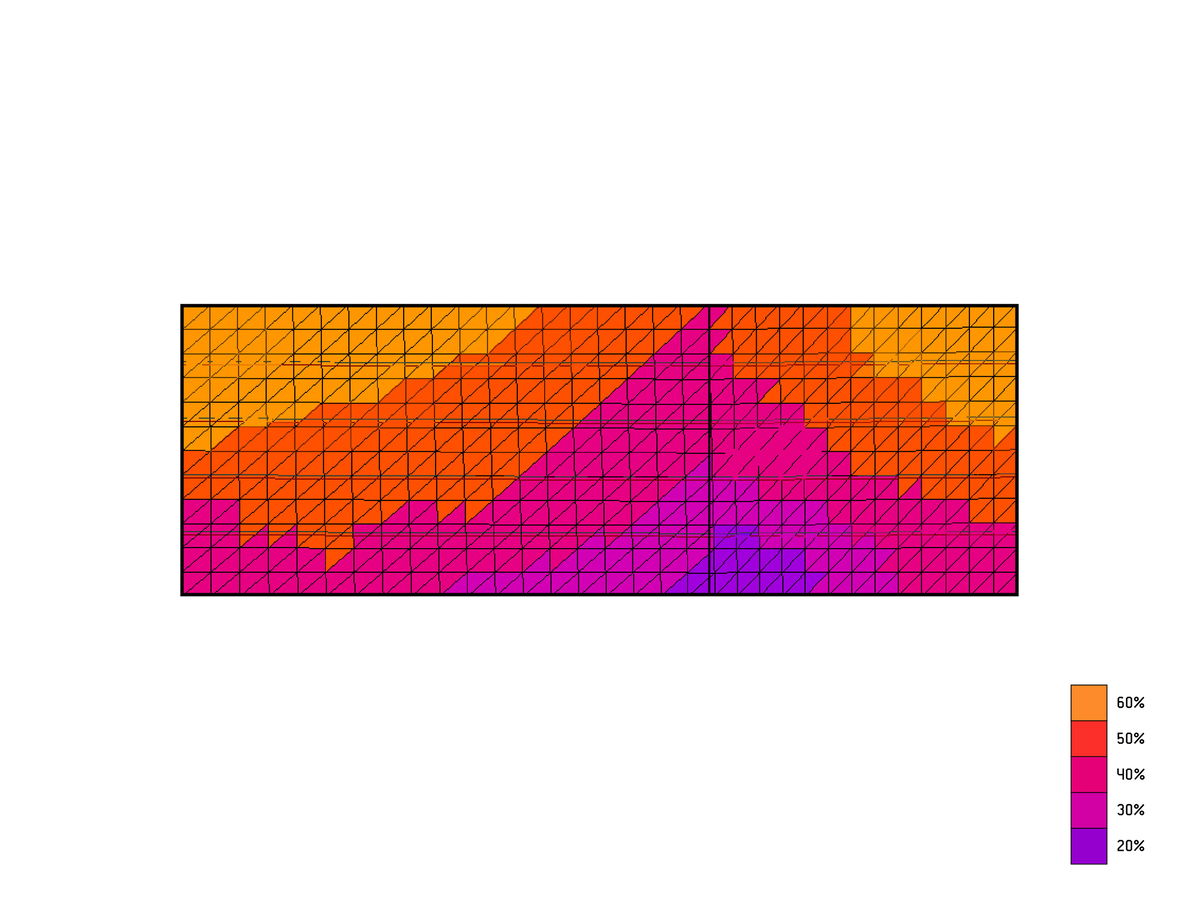
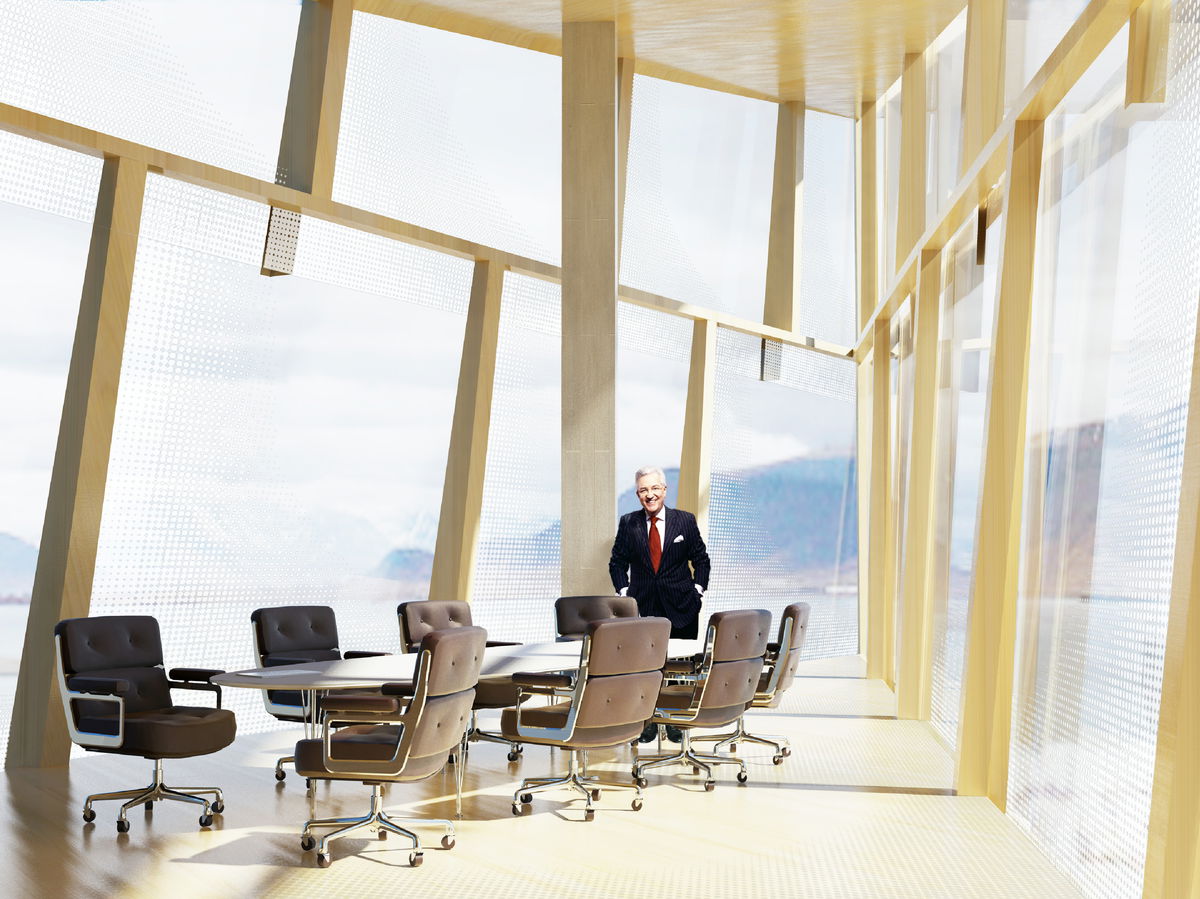
— To achieve the most transparent glass with no shading or toning, BIG proposed to deal with the need for heat reflection and sun screening through the use of tiny dots of silver on the exterior glass facades.
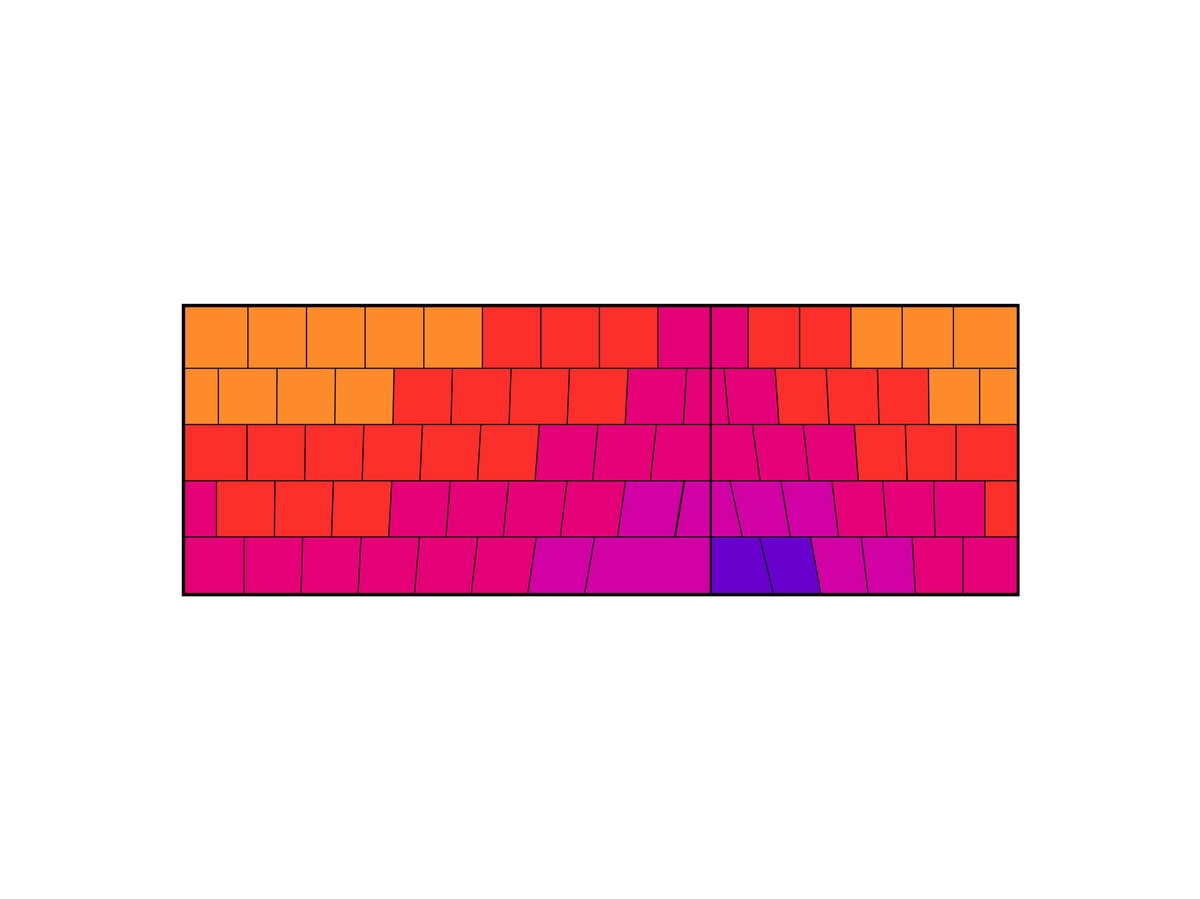
— The actual percentages of sun screening, ranging from 0 to 60% were based on thermal simulations.
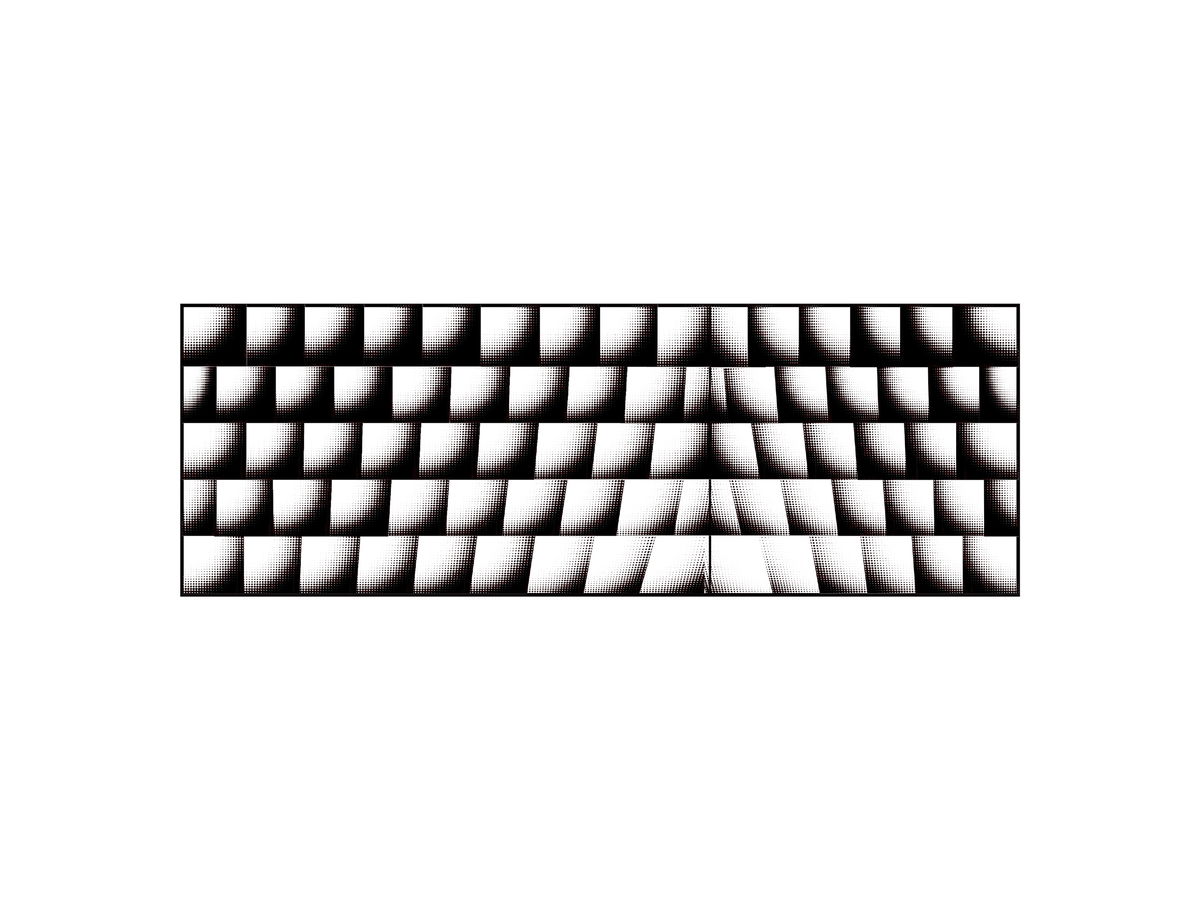
— The silver dots would constitute an imperceptible raster responding to the requirements of the sun shading: dense towards the south, nothing towards the north, etc.
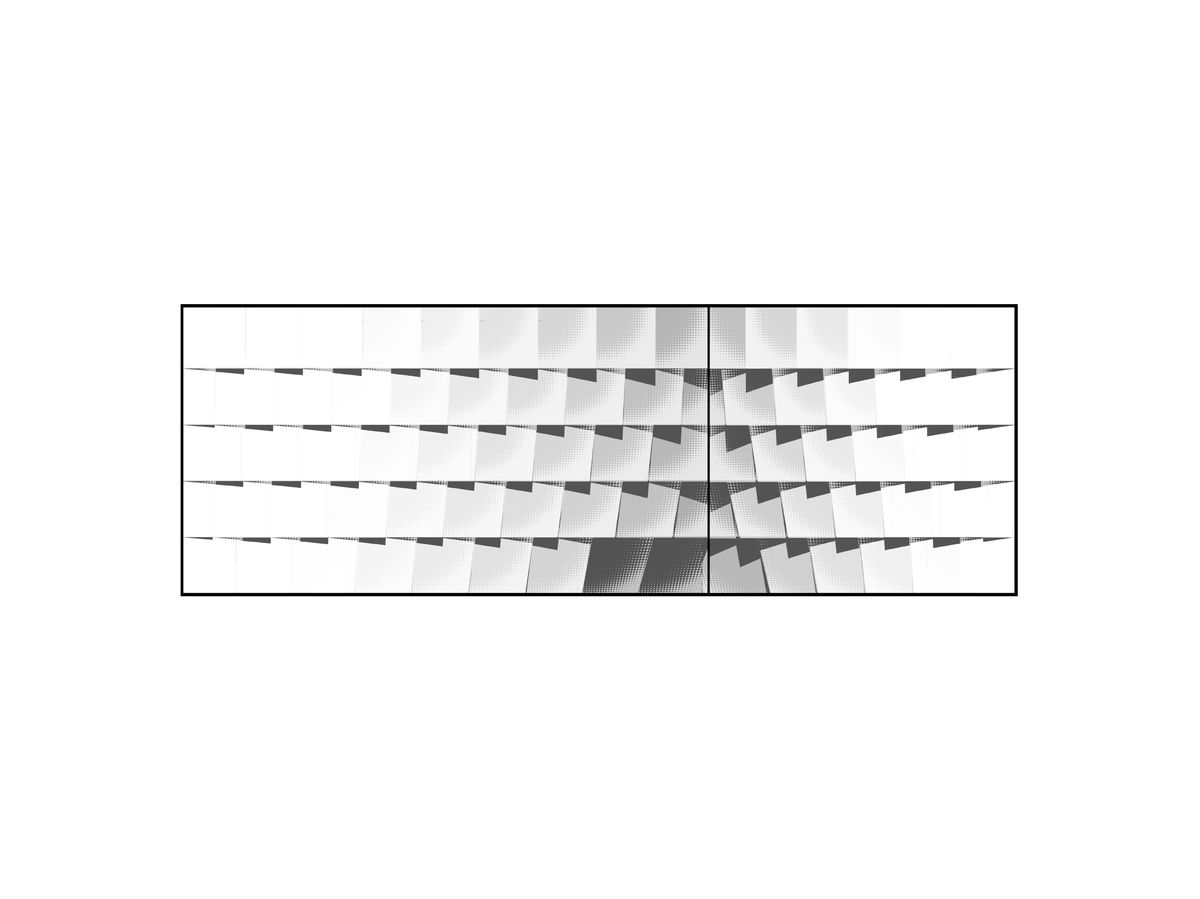
— The silver dots would constitute an imperceptible raster responding to the requirements of the sun shading: dense towards the south, nothing towards the north, etc.



Partner in Charge
Bjarke Ingels
Project Leader
Thomas Christoffersen
Project Team
Agustin Perez-Torres
Cat Huang
Grisha Zotov
Janghee Yoo
Jung Ik Kong
Junhee Jung
Line Gericke
Marcello Cova
Maria Glez Cabanellas
Morten Wulff
Simon Potier
Sonja Reisinger
Awards
Competition 1st Prize
Collaborators
Einrum
Arkiteo
VSÓ
AKT
Transsolar
SO Hansen
Luxigon